Wine lovers looking for a memorable day trip or relaxing weekend in summer 2026 should consider heading inland to Jumilla, one of south-eastern Spain’s most distinctive wine-producing regions.
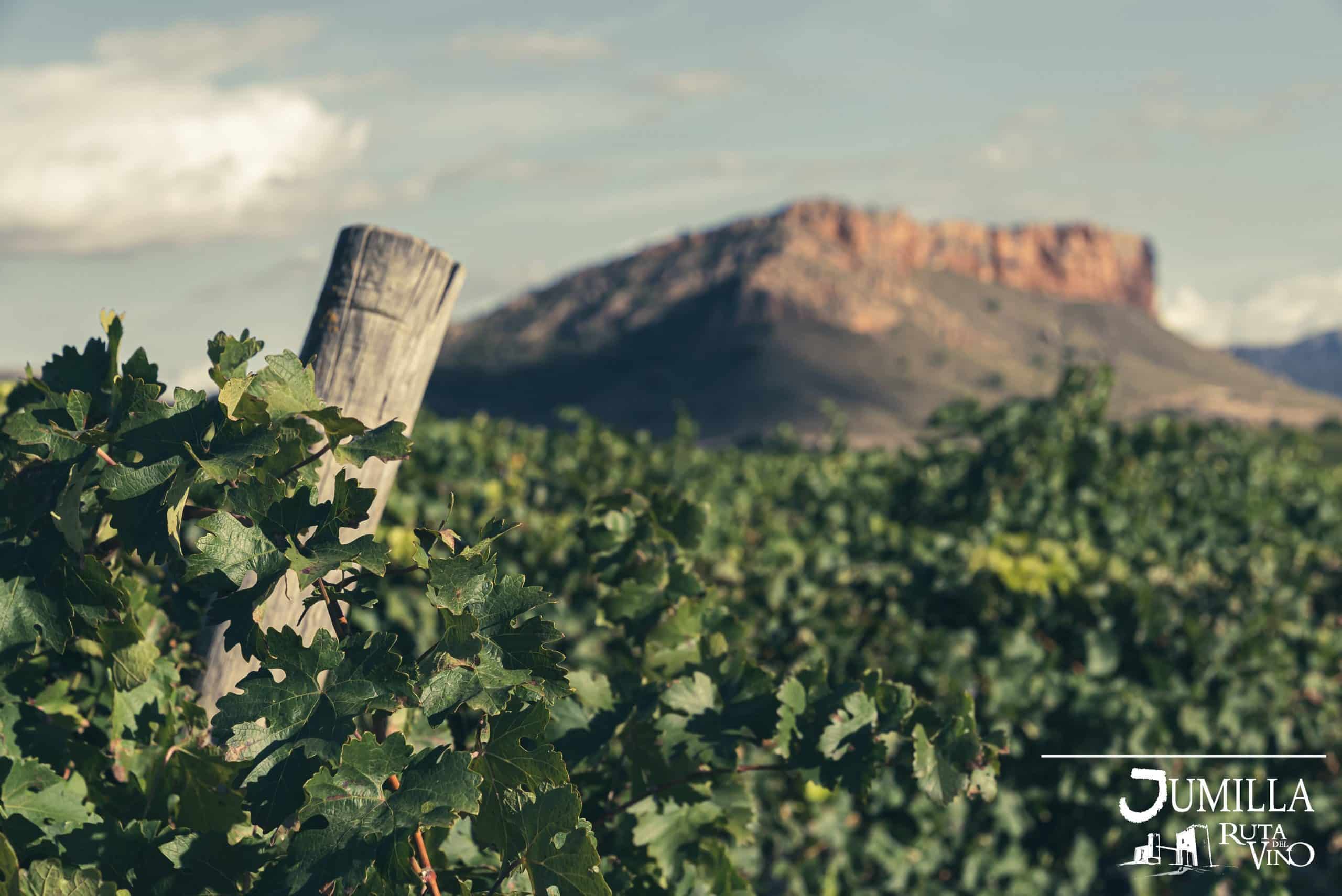
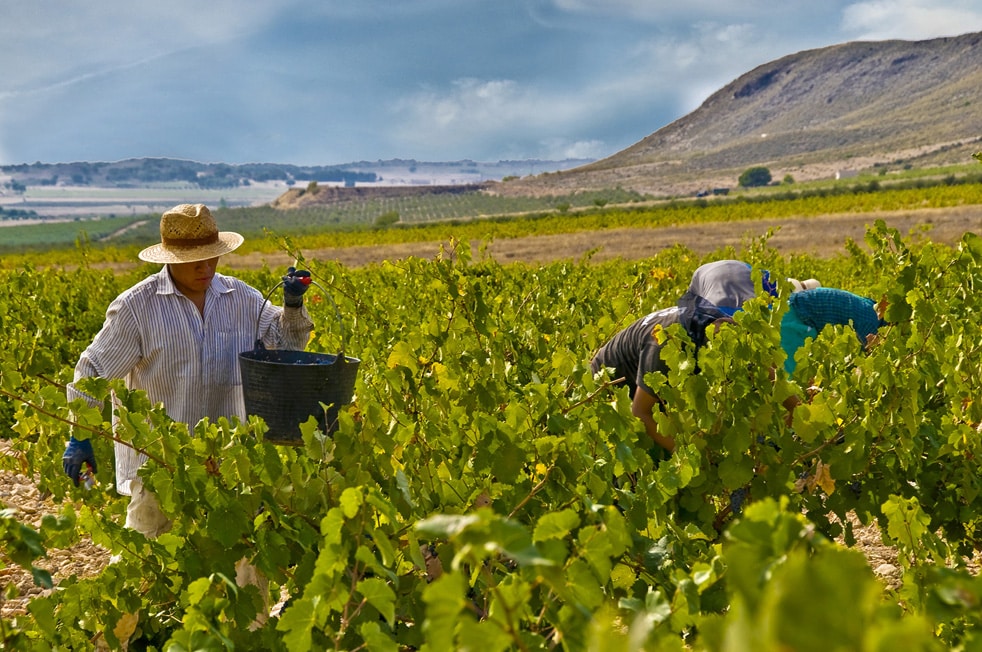
Stretching across northern Murcia and into southern Albacete, the Jumilla Wine Route combines vineyard landscapes, historic bodegas, traditional cuisine and centuries of cultural heritage. At the heart of the experience is Monastrell, the thick-skinned red grape that thrives in the area’s hot, dry climate and produces the powerful, fruit-driven wines for which Jumilla has become internationally known.
The route includes 16 wineries, ranging from small family businesses to historic cooperatives and internationally recognised producers. They include Alceño, Bleda, BSI, Carchelo, Juan Gil, Nido de Cuco, Ontalba, Parajes del Valle, Pío del Ramo, Ramón Izquierdo, San Dionisio, Sierra Norte, Silvano García, Viña Elena, Xenysel and Esencia Wines.
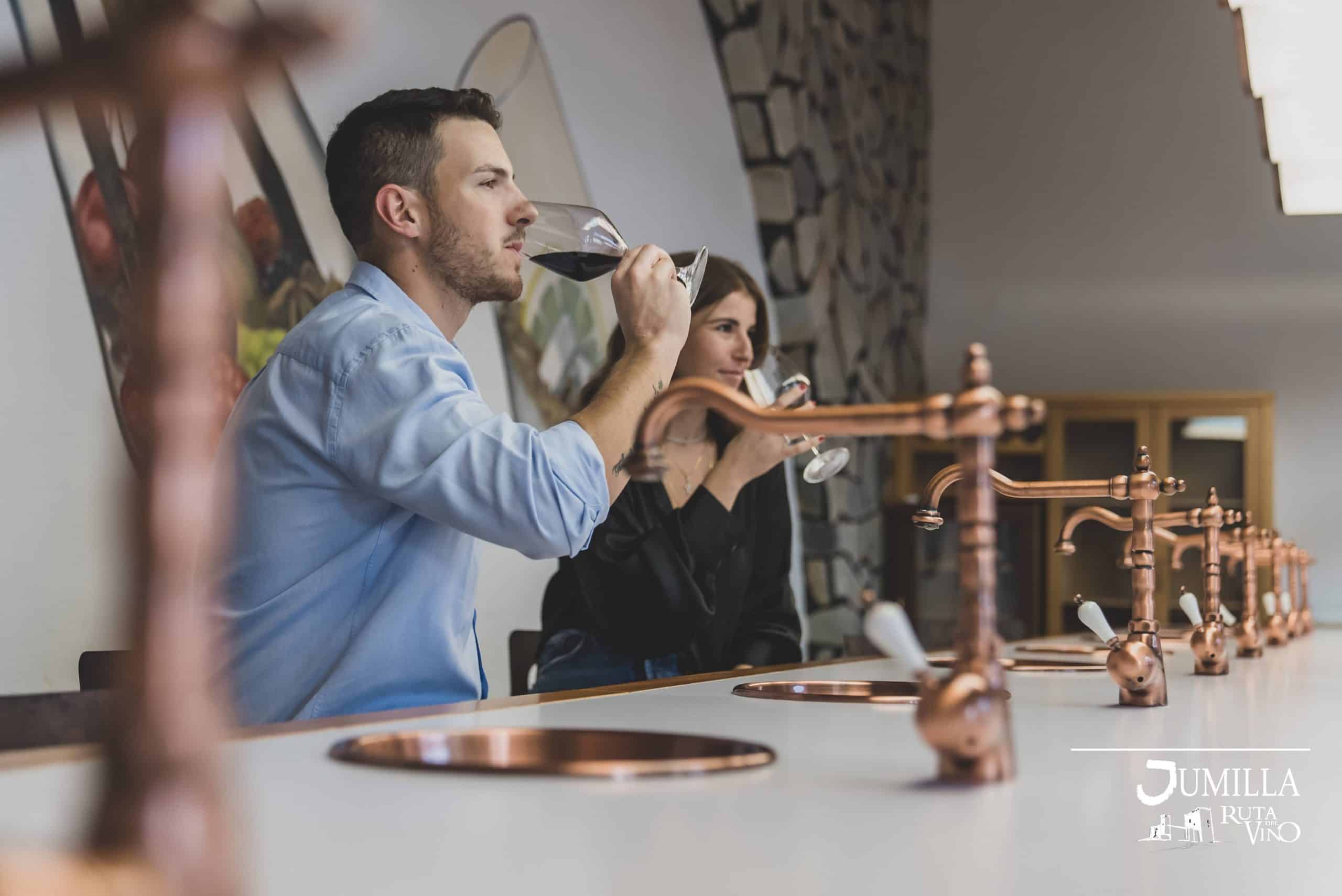
Each offers its own interpretation of Jumilla’s winemaking traditions, with experiences typically including guided cellar visits, explanations of the production process and tastings of several wines. Advance booking is strongly recommended because summer opening times vary and many tours operate only by appointment.
For visitors interested in family heritage and traditional local hospitality, Viña Elena is an excellent choice. Formerly known as Bodegas Pacheco, the family-run winery combines generations of winemaking with a strong connection to Jumilla’s food and rural culture.
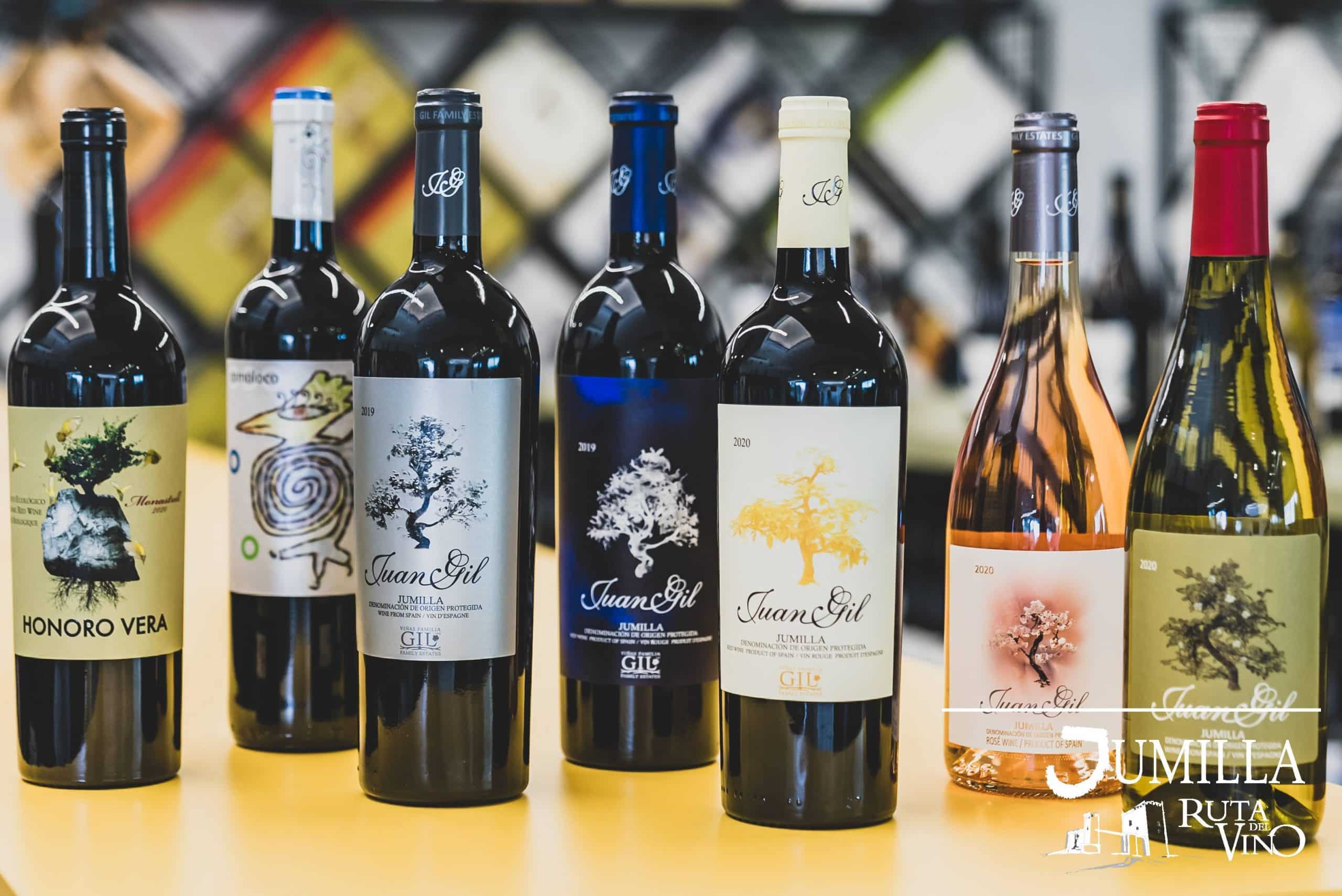
Juan Gil is another essential stop, particularly for those already familiar with Jumilla wines. Founded in 1916, the winery has developed an international reputation while retaining Monastrell as a central part of its identity.
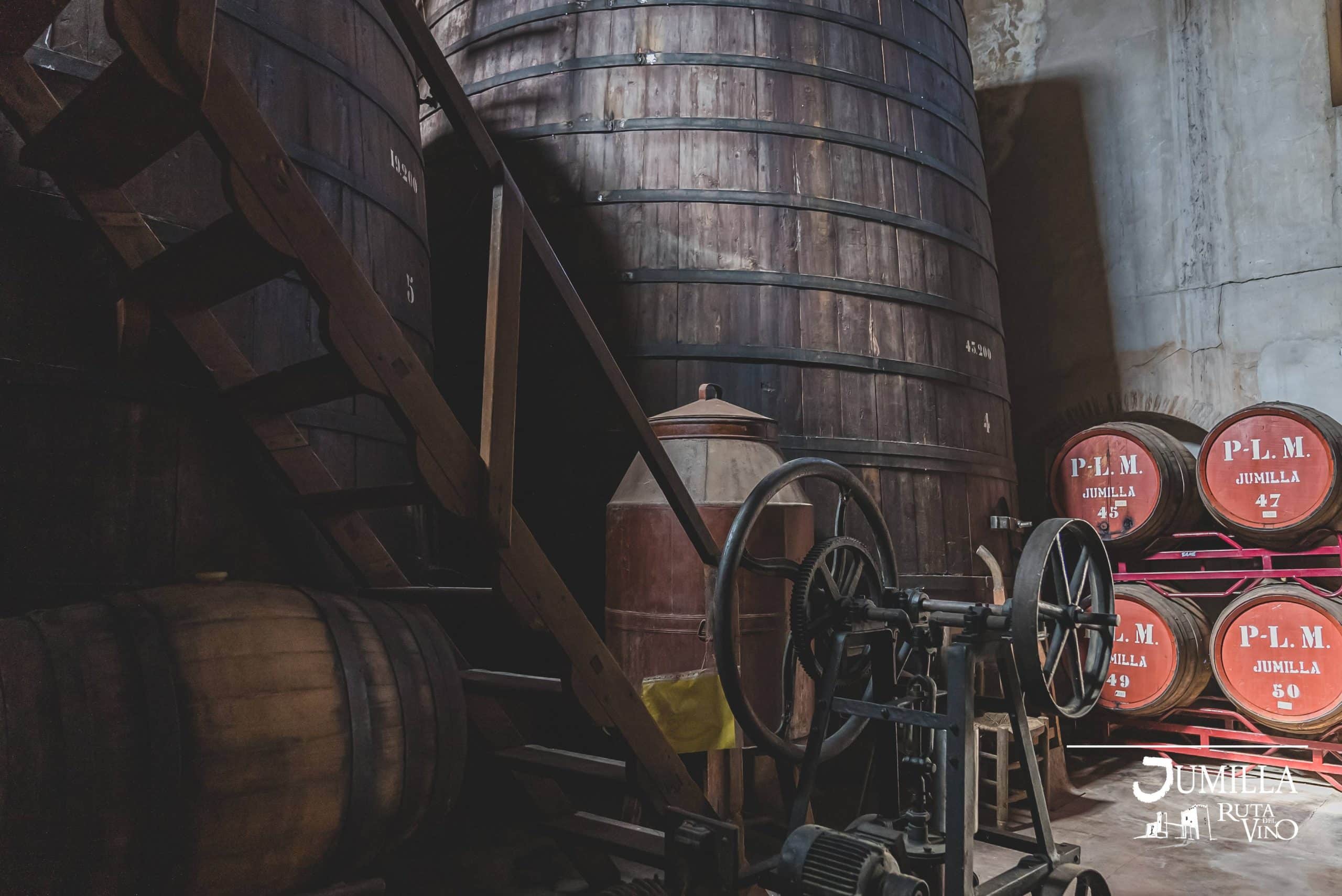
History enthusiasts may prefer Bodegas Bleda, founded in 1915, or Bodegas Silvano García, whose story began in the centre of Jumilla in 1925. Alceño also offers visitors the opportunity to enter one of the town’s oldest preserved cellar spaces.
Travellers looking for an organic and environmentally conscious experience should consider Parajes del Valle, which specialises in organic wines made principally from Monastrell. Pío del Ramo offers another interesting option by bringing together winemaking and olive-oil production in a striking rural setting.
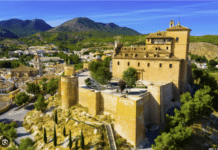
A summer visit need not be limited to the bodegas. Jumilla’s historic centre contains the Church of Santiago, Plaza de Arriba and El Casón, one of Europe’s best-preserved late Roman funerary monuments. The hilltop castle also rewards visitors with panoramic views across the town and surrounding countryside.
Summer evenings bring an additional attraction through the Wine Route’s seasonal programme, which traditionally combines live music, local food and wine among barrels or vineyards. Visitors travelling in August can also experience Jumilla’s Grape Harvest Festival. The 53rd edition was due to begin with its official proclamation and awards ceremony on August 8, while the town’s summer celebrations traditionally include a wine fair and public tastings.
The Wine Museum provides a useful introduction to the area’s viticultural history and was scheduled to host a “Wine Tasting Thursday” on August 27. Jumilla’s official cultural programme also included concerts, exhibitions and traditional celebrations throughout July and August.
Because daytime temperatures can become extremely high, vineyard visits are best arranged for the morning, leaving the afternoon for a leisurely lunch or museum visit. Travellers should also consider staying overnight, particularly if joining several tastings.
A designated driver or organised transport is essential. Those driving from the Costa Blanca should allow approximately 90 minutes to two hours, depending on their starting point.
With its welcoming bodegas, exceptional Monastrell and deeply rooted traditions, the Jumilla Wine Route offers far more than a simple tasting tour. For summer 2026, it provides an appealing combination of wine, gastronomy, history and authentic inland Spain.