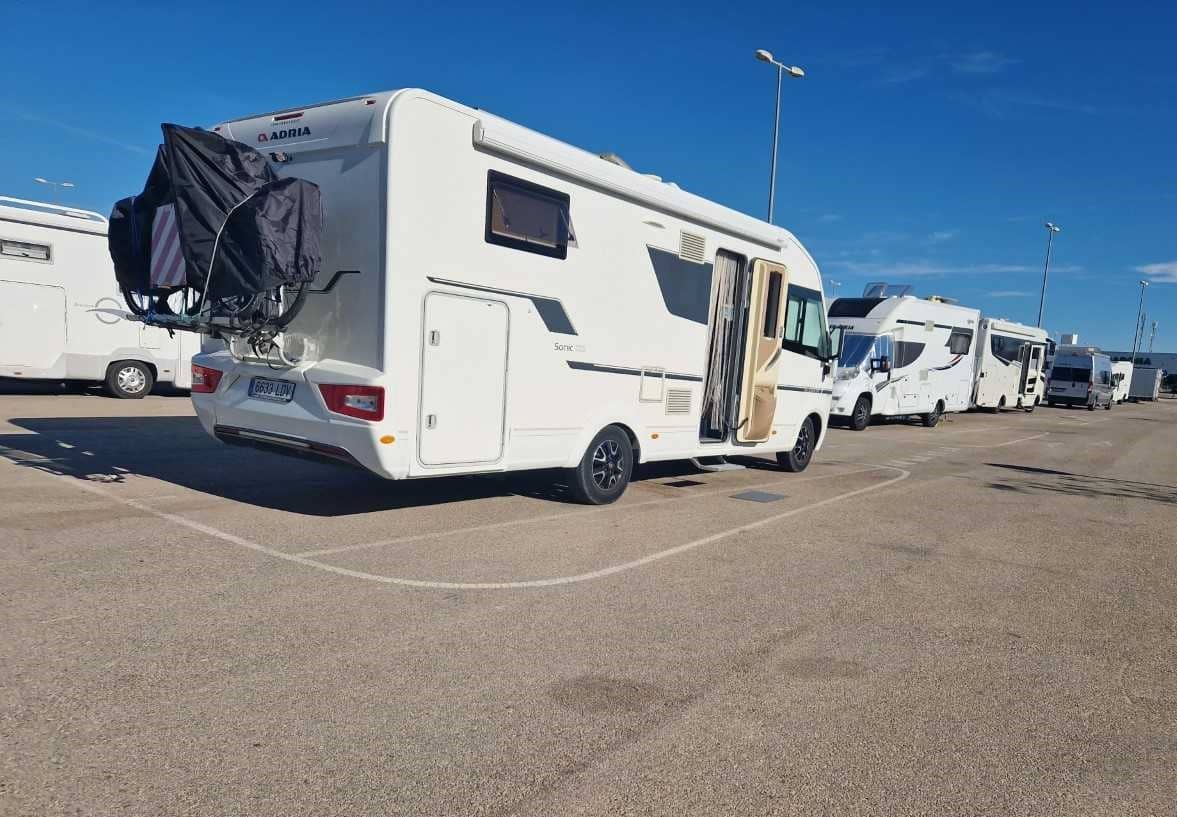
Hundreds of motorhomes occupy seafront areas in Orihuela and Torrevieja, as well as land near the salt lagoons natural park, prompting growing concern over overcrowding, weak enforcement and environmental impact.
In Torrevieja, campervans and motorhomes have once again filled some of the most sought-after coastal parking areas, including streets near La Mata beach, La Veleta, Cala de Ferrís and land around the Lagunas de Torrevieja y La Mata Natural Park. In Orihuela Costa, dozens more have taken over the large municipal car park next to Zenia Boulevard, occupying more than 20,000 square metres.
Torrevieja City Council has tried to curb the influx by installing signs banning vehicles wider than 2.2 metres from parking in certain areas, but the measure has had limited effect. Local police can only act on public roads under municipal control, and not on land inside or around the natural park where jurisdiction is more complex. Officers are also stretched by other policing demands.
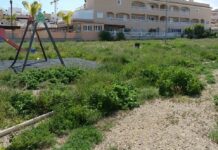
The situation is causing particular concern around the natural park, where motorhomes are parking on land covered by environmental protection rules and intended to act as a buffer zone. Although not in the park’s most strictly protected area, these plots are still environmentally sensitive. There are also complaints about damage to restored vegetation and the dumping of rubbish and wastewater.
Residents in affected coastal areas, including La Manguilla, say overcrowding is creating ongoing problems. While a legally parked motorhome may remain in place, Spanish traffic rules are clear that users cannot spread outside the vehicle with tables, chairs, awnings or similar equipment unless they are in an authorised camping area.
In Orihuela Costa, the municipal car park next to Zenia Boulevard has effectively become a long-stay motorhome site. The absence of overnight charges and the lack of strict time limits have encouraged stays lasting weeks or even months, especially in peak season. What were once short stopovers have, in some cases, turned into semi-permanent encampments.
The growth of specialist mobile apps and online forums has accelerated the trend, with users sharing exact GPS locations, photos, noise levels and information about police presence, helping to direct more vehicles to places with little enforcement.
Under Spanish traffic regulations, a motorhome is considered properly parked only if it remains within the marked parking space, does not exceed any time limit, and does not extend beyond the vehicle’s perimeter. Camping is allowed only in authorised areas such as campsites or designated motorhome sites.