New ten-point guide highlights importance of personalised treatment as 98% of severely dependent patients regain independence within 77 days
Early intervention and a coordinated, multidisciplinary approach are critical to successful neurological rehabilitation, according to a new ten-point framework released by the Casaverde Foundation to mark World Rehabilitation Day (23 March).
The foundation’s “decalogue” sets out the essential principles for delivering effective, holistic rehabilitation, with a strong emphasis on early treatment, personalised care and collaboration across clinical disciplines.
Drawing on data from the Casaverde Group, the organisation reports that 98% of patients who begin rehabilitation with severe dependency regain independence or require only minimal care within an average of 77 days.
The initiative coincides with World Rehabilitation Day, which highlights the vital role rehabilitation plays within universal healthcare, alongside health promotion, disease prevention and palliative care. According to the World Health Organization, some 2.4 billion people worldwide could benefit from rehabilitation, yet more than half do not receive the services they need.
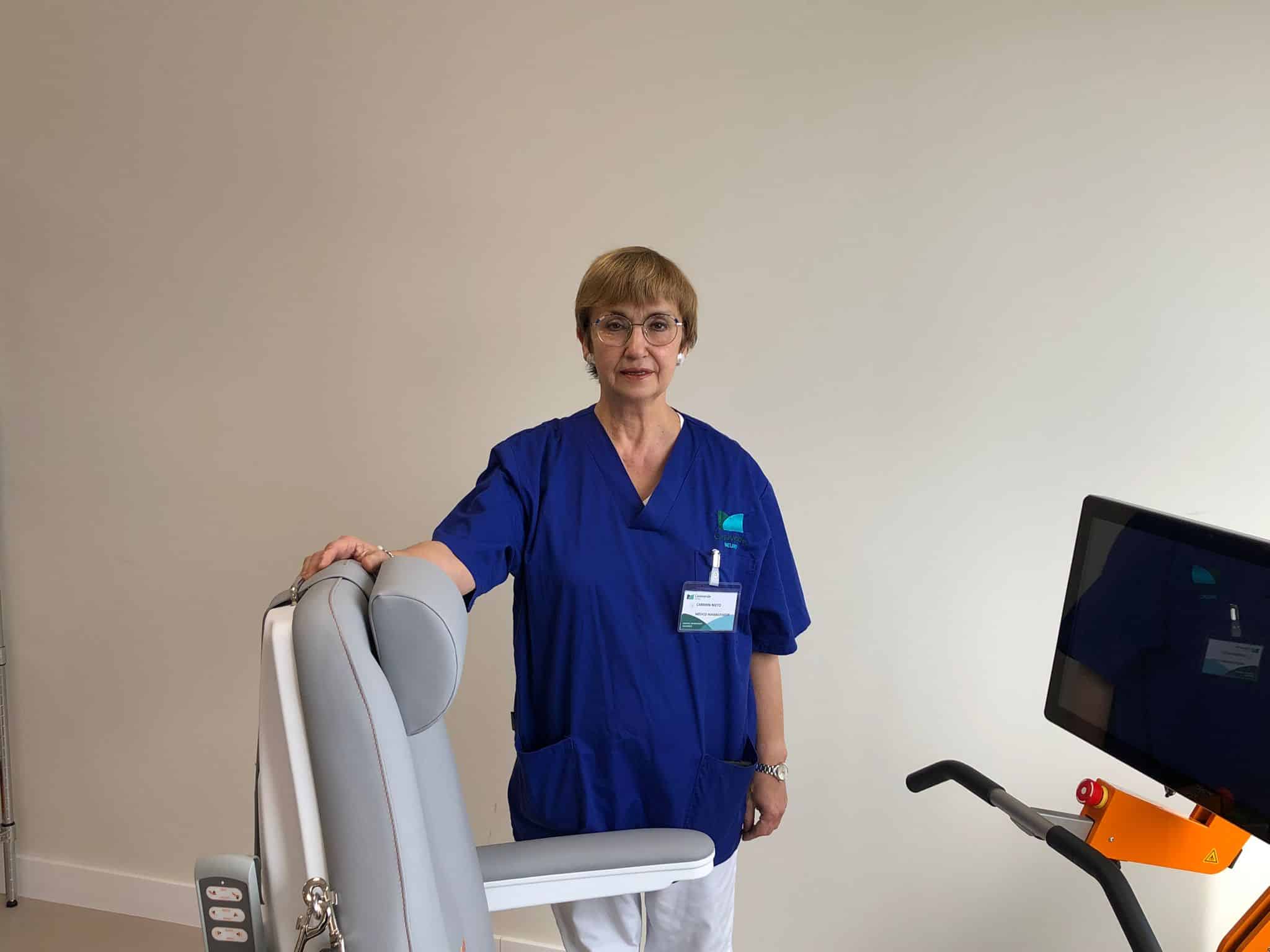
Dr Carmen Nieto, rehabilitation specialist at Hospital Casaverde Valladolid, said the success of modern neurological rehabilitation lies in “the synergy of early, personalised and interdisciplinary care”.
“Acting within the initial window of neuroplasticity, combined with coordinated specialist input, is decisive in improving patients’ functional outcomes,” she said.
Ten principles for effective rehabilitation
The Casaverde Foundation’s framework outlines ten key principles to guide rehabilitation, particularly in complex neurological conditions such as stroke, traumatic brain injury and brain tumours:
- Early intervention: Starting rehabilitation as soon as possible significantly improves functional recovery and helps prevent complications such as stiffness, muscle atrophy and thrombosis.
- Personalised treatment: Care plans must be tailored to each patient’s prior condition, age, comorbidities and recovery goals.
- Multidisciplinary approach: Effective rehabilitation requires close coordination between doctors, neurologists, physiotherapists, speech therapists, occupational therapists and neuropsychologists.
- Focus on independence: The primary goal is to restore patients’ ability to carry out daily activities and achieve maximum autonomy.
- Prevention of complications: Ongoing care should aim to avoid secondary issues linked to immobility or neurological damage.
- Restoration of mobility: Regaining independent movement, with or without assistive devices, is central to reintegration into daily life.
- Re-education of neurological functions: Rehabilitation should address motor control, balance, coordination, language and cognitive abilities.
- Use of advanced technologies: Tools such as rehabilitation robotics, neurostimulation and specialised therapies can enhance recovery outcomes.
- Patient and family involvement: Active participation helps maintain motivation and ensures continuity of care after discharge.
- Social reintegration: The ultimate aim is a return to family, social and working life, alongside improved psychological wellbeing and quality of life.
The foundation stresses that no single factor determines success. Instead, outcomes depend on combining early intervention with tailored treatment and coordinated specialist care.
About the Casaverde Foundation
Founded in 2004, the Casaverde Foundation promotes research, development and innovation in medical, scientific and technological fields to improve health and wellbeing, working with experienced professionals across the sector.