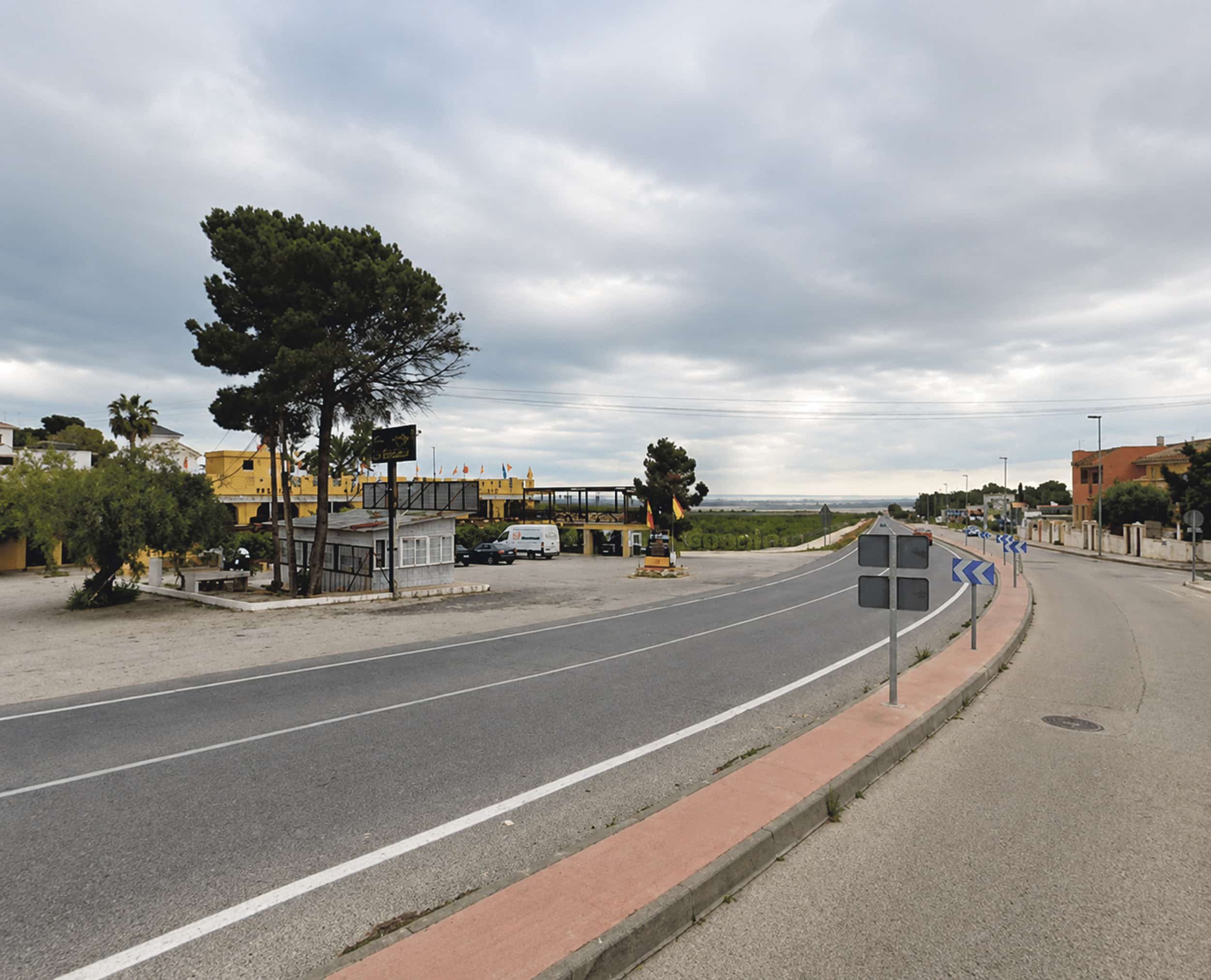
Eleven companies are battling for a €1.3 million contract to draw up the plans for the long-awaited expansion of the CV-95 between Orihuela and Torrevieja — a key road project seen as vital for easing congestion between the Vega Baja interior and the coast.
The contract, valued at €1,317,969, covers the drafting of the basic project, the feasibility study, and the design of the concession model that will shape how the future works are financed, built and managed. It is the first major step towards a much larger scheme, with total investment expected to reach around €180 million.
The Third Vice Presidency and Regional Ministry of Environment, Infrastructure and Territory confirmed that 11 bids have been submitted to prepare the technical, economic and administrative documents needed to move the project forward. The tender was launched in April, with the deadline for submissions closing on May 14. The administrative envelope was opened this Monday.
Of the 11 proposals, eight were submitted by temporary joint ventures, while three came from companies bidding independently. The bidders include major engineering firms as well as consultancies specialising in auditing, risk management and tax advice.
Regional minister Vicente Martínez Mus welcomed the level of interest, saying it “guarantees a good drafting team for a much-anticipated project in the Vega Baja.” He described the CV-95 expansion as “a very exciting project” for both the region and the Generalitat, and said progressing the scheme is one of the government’s objectives during the current legislature.
The stretch under study runs for approximately 26.5 kilometres, passing through or bordering municipalities including Orihuela, Bigastro, Jacarilla and San Miguel de Salinas. At present, the CV-95 has just one lane in each direction, despite carrying heavy traffic volumes, particularly in summer when the population rises sharply.
The situation has created serious congestion and road safety problems, especially around entrances to urban centres. Among the options to be examined are widening the existing road and building bypasses to divert traffic away from built-up areas.
The studies will assess the technical, economic and environmental feasibility of the project and define the future public works concession. Under the proposed model, the concessionaire would pay for construction, maintenance and operation during the concession period. The administration would then make annual availability payments, allowing the company to recover its investment over time.
Martínez Mus defended the model and stressed that the road would remain free for drivers. “It will not represent any kind of burden for users,” he said.
The technical bids are scheduled to be opened on May 21, before being sent to the General Directorate of Land Transport Infrastructure for evaluation. However, the drafting period alone is set at 25 months, meaning the current legislature is expected to end before construction begins. The works themselves will still need to be tendered and awarded separately.
The proposal was first presented by Martínez Mus at the end of April last year during a meeting in Torrevieja with local mayors and leading real estate and construction companies. The announcement followed the disappearance from the Generalitat’s 2025 budget of a multi-year investment plan to begin construction through a directly awarded project, which had initially included €25 million.
At the time, the regional minister acknowledged the process would be lengthy, but said the Consell’s commitment was to have the project completed before the end of the legislature in 2027, with the Environmental Impact Statement approved and the concession tender underway.
A separate project is already being drafted for the dualling of the CV-95 between Los Balcones and Mar Azul, near Torrevieja University Hospital. That section carries around 18,000 vehicles a day and is one of the most congested points on the route.
Traffic there is so severe that ambulances are sometimes forced to use the central reservation in emergencies. In a heavily urbanised area with limited public transport, pedestrians also regularly use the narrow hard shoulders to walk between the town centre, Los Balcones and the hospital.