Orihuela, January 2026 – The mayor of Orihuela, Pepe Vegara, is taking an assertive stance against the proposed waste treatment plant in Torremendo, seeking support from neighboring municipalities Torrevieja and Pilar de la Horadada to prevent its approval. Vegara, who leads the PP-Vox coalition, has warned that allowing the plant, proposed by the Prezero-Cívica joint venture, would be politically untenable and has signaled he may even consider withdrawing Orihuela from the regional Vega Baja Sostenible Consortium if the project proceeds.
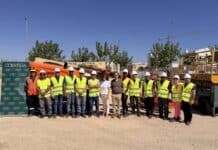
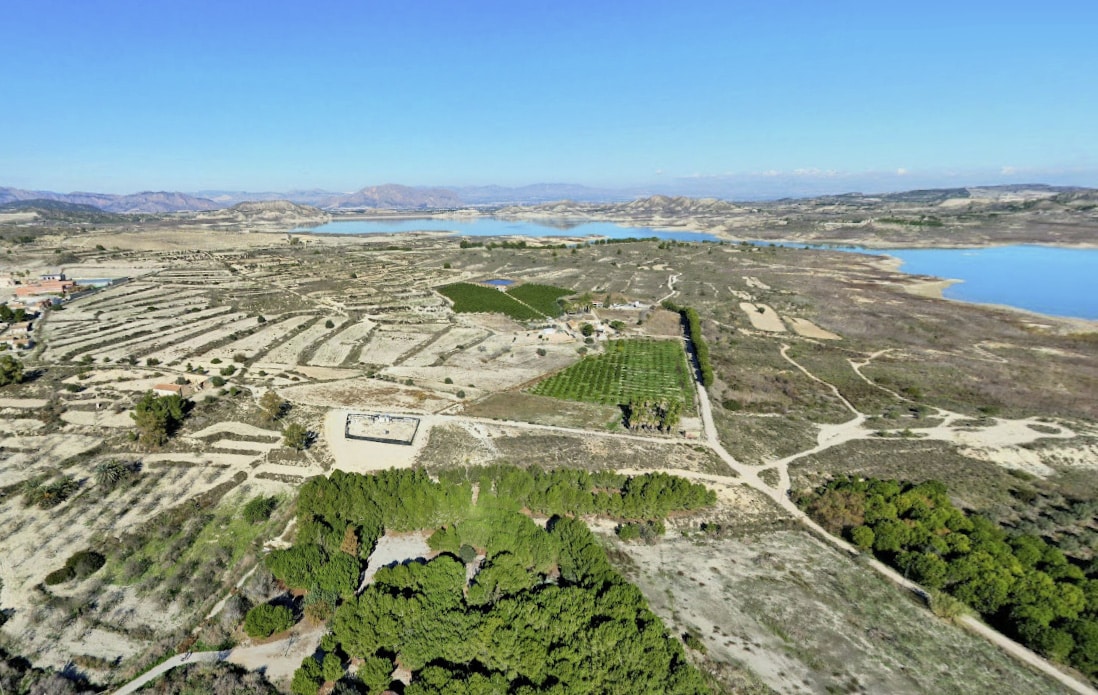
The proposal, recently recommended in a report by the concessionary company itself, designates 20 hectares in La Pistola-Fuente Amarga for the plant. Vegara argues that municipal technical reports demonstrate the land is protected by multiple designations, making its development unfeasible. In a show of urgency, the mayor met in person with Torrevieja Mayor Eduardo Dolón, Pilar de la Horadada Mayor José María Pérez Sánchez, and Consortium President Francisco Cano to rally opposition before the upcoming plenary vote.
The voting structure within the 27-member Consortium gives municipalities that generate the most waste the greatest influence. Torrevieja, Orihuela, and Pilar de la Horadada collectively produce roughly 150,000 of the 202,000 tons of waste generated annually in the region. Support from these municipalities could potentially outweigh the 40% held by the Provincial Council and Valencian Government, though Vegara would still need to convince additional municipalities to secure a decisive majority.
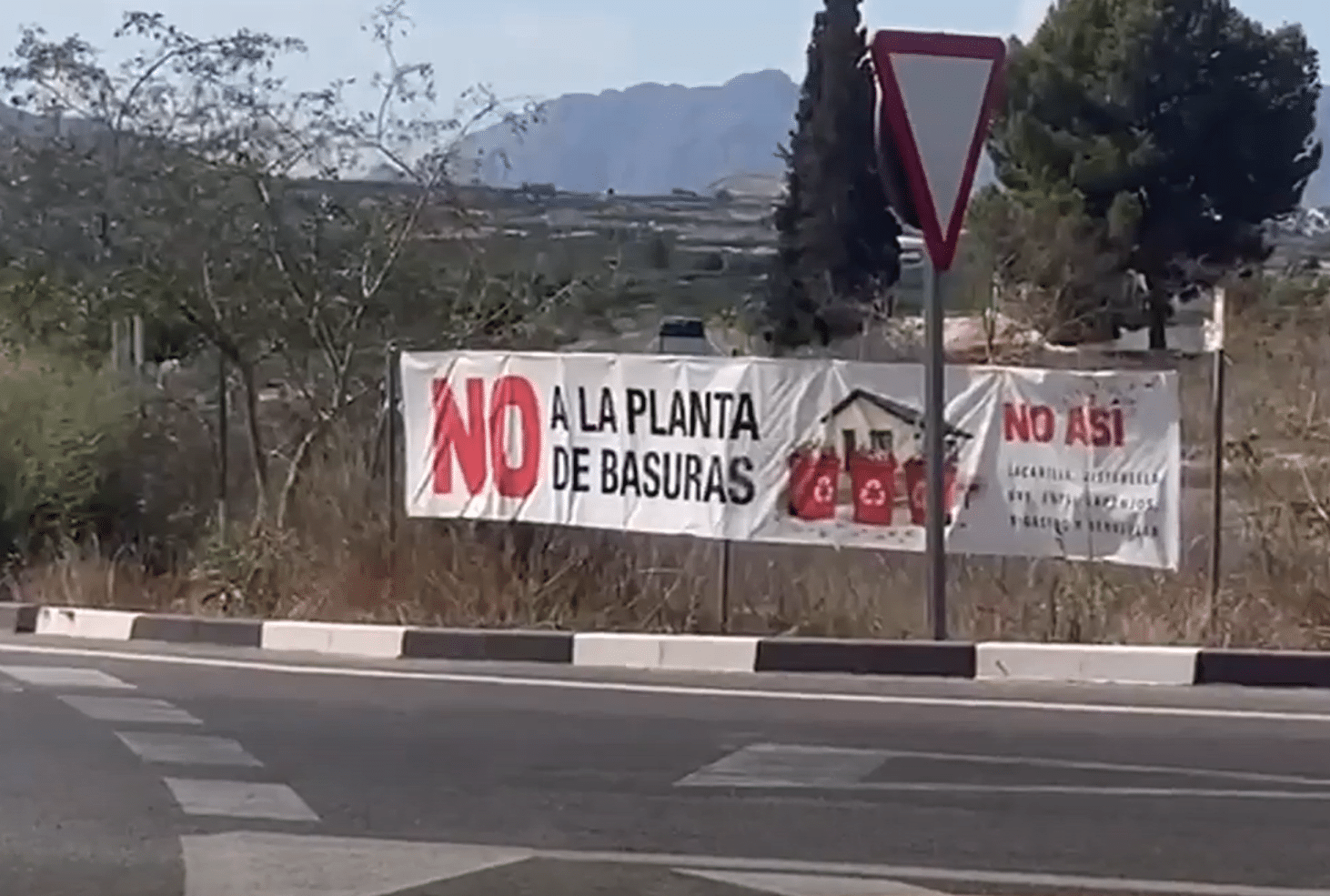
The Orihuela mayor’s position contrasts with other PP-run towns, such as Jacarilla, Benejúzar, and Bigastro, which have already signaled approval of the Torremendo site. Similarly, PSOE-governed municipalities, including Guardamar, Rojales, Callosa de Segura, and Dolores, prioritize a swift resolution to the waste management crisis, citing rising costs—up to €150 per ton—from transporting waste across multiple locations in Alicante, Valencia, Murcia, Almería, and Cuenca. However, they acknowledge that placing the plant in Torremendo, decades after the issue first emerged, is controversial.
Past attempts to propose alternative locations, such as Estafeta-Vistabella in Orihuela, were abandoned due to pressure from residents, agricultural interests, and major real estate developers planning large-scale housing projects nearby. These commercial and political pressures have shaped the current debate over the Torremendo site.
Vegara has reaffirmed his commitment to Torremendo residents: “If the people of Torremendo don’t want the plant, neither does the Orihuela City Council.” While the project has the backing of regional authorities—including Orihuela-born Regional Secretary of the Environment Sabina Goretti Galindo Benito—the outcome now hinges on last-minute alliances and the complex political arithmetic of the Consortium.