High-speed boats carried drugs from Spain to Algeria before returning with migrants bound for Alicante and other parts of the Spanish coast
One of the largest criminal networks trafficking drugs and smuggling migrants across the western Mediterranean has been dismantled in a major international police operation.
The organisation allegedly operated a highly profitable two-way trafficking route. High-speed boats left Spain and Portugal carrying synthetic drugs, weapons and other illegal cargo to Algeria before returning with migrants bound for Alicante, Murcia, Almería, Cartagena, Ibiza and other areas of the Spanish coast.
Investigators believe the network brought more than 2,000 migrants into Spain through at least 64 sea crossings and made more than €24 million from migrant smuggling alone.
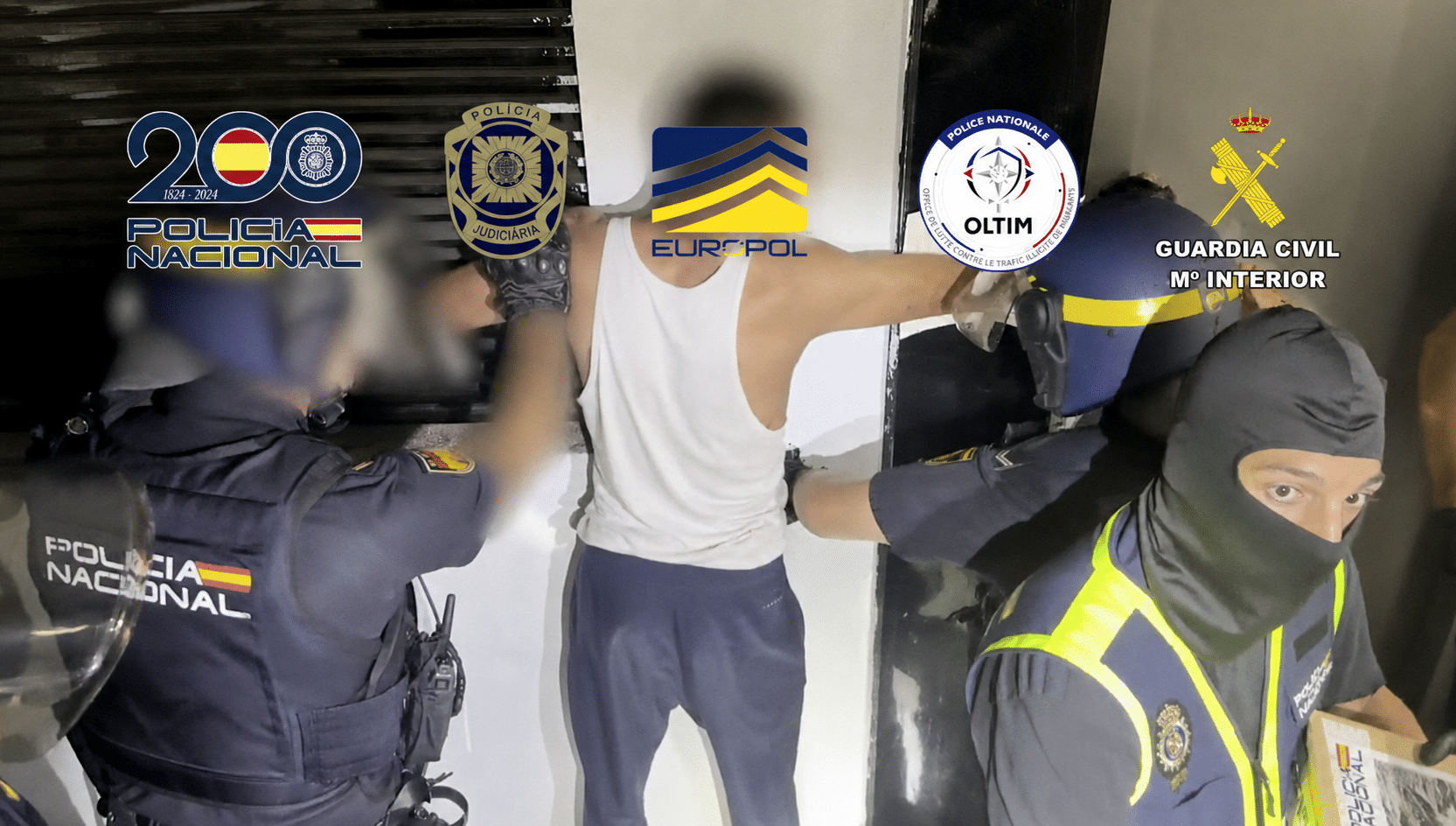
A total of 78 suspected members of the organisation have been arrested in Spain and Algeria. Eleven of the arrests were made in Alicante province, while 27 suspects have been remanded in custody.
The investigation was led jointly by Spain’s National Police and Civil Guard, with support from Europol and law enforcement agencies in France, Portugal and Poland.
Arrests across Spain
The largest number of arrests—36—was made in Almería, followed by 13 in Murcia and 11 in Alicante.
Six suspects were detained in Ibiza, two in Cartagena, two in Palma de Mallorca and two in Palencia. Further arrests were made in Huelva, Córdoba, A Coruña, Seville and Lugo, as well as one in Algeria.
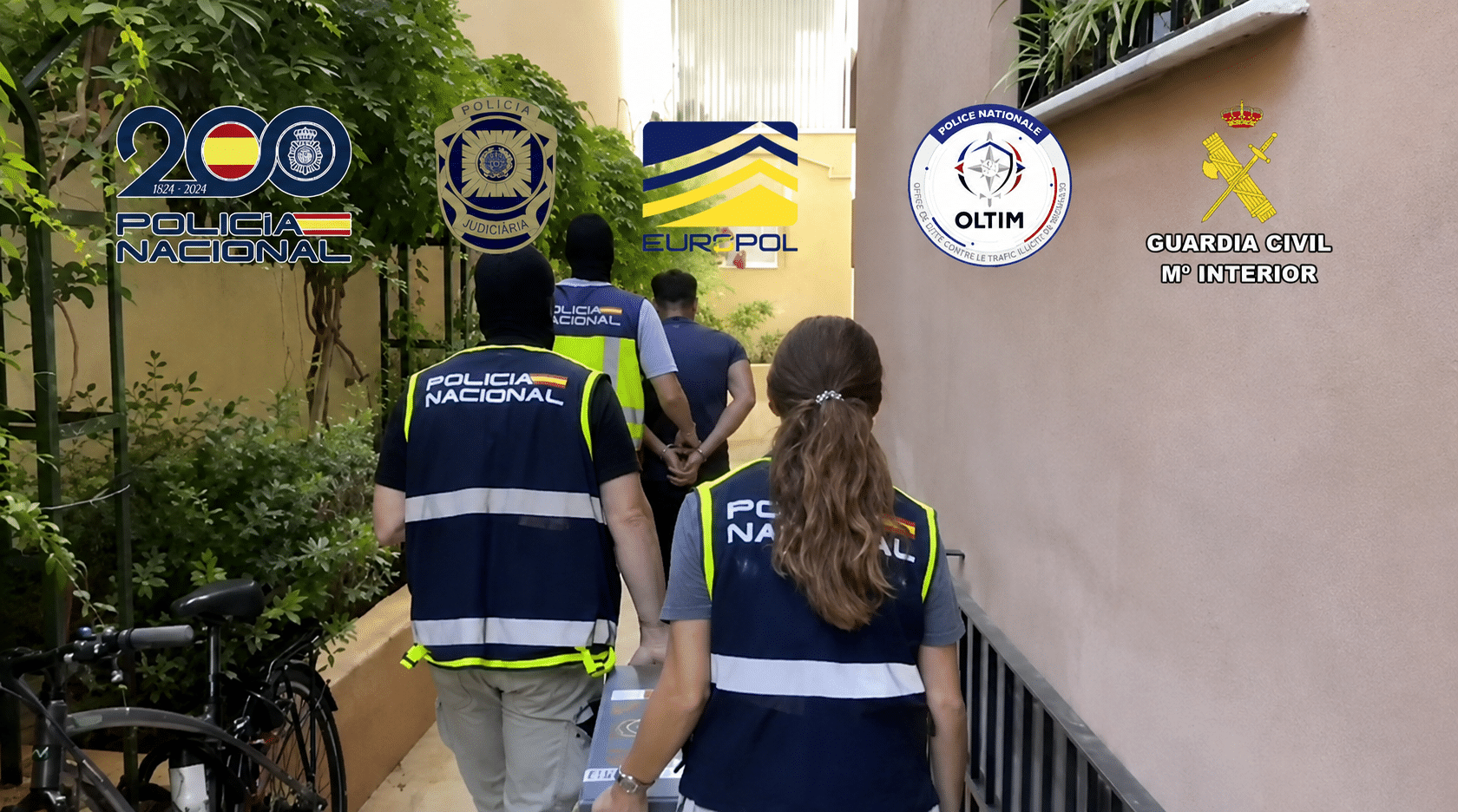
Police also searched 17 properties in Almería, Murcia, Cartagena and Alicante.
Those detained include four alleged senior leaders regarded by investigators as High Value Targets. Police also arrested the organisation’s suspected hawaladar, the person responsible for handling part of its finances through an informal money-transfer system known as hawala.
A two-way criminal highway
Authorities say the organisation developed its two-way operation to ensure its expensive high-speed boats never made an empty journey.
The vessels departed Spain and Portugal carrying drugs—particularly MDMA—as well as firearms and explosives destined for Algeria. On the return journey, they transported migrants, cannabis resin, weapons and other illegal cargo to Spain.
The network also offered its boats and logistical services to other organised crime groups, allowing them to move people and illicit goods across the Mediterranean.
Migrants were reportedly charged as much as €12,000 each for passage from Algeria to Spain. Some boats carried more than 50 people in a single crossing, potentially generating hundreds of thousands of euros from one journey.
Investigators have linked the group to at least 64 migrant-smuggling operations since the inquiry began in 2023. Its profits were further increased through drug trafficking and petaqueo—the illegal supply of fuel to high-speed smuggling boats at sea or from hidden coastal locations.
Fleet worth more than €5 million
The organisation possessed an extensive logistical network spanning several countries.
Police seized 18 high-powered boats with an estimated combined value of more than €5 million. The vessels were generally more than eight metres long, while some measured up to 14 metres and were equipped with three or four powerful engines.
The fleet included so-called “ghost boats”—unregistered high-speed vessels designed to avoid identification and detection and whose possession and use are restricted under Spanish law.
The organisation allegedly used the boats to arrange transfers in international waters close to the Spanish coast. Once migrants or illegal cargo had been handed over at sea, other members of the network organised transport by land.
The group also had vehicles for transport and surveillance, safe houses, satellite telephones and antennas, encrypted communications equipment and GPS tracking devices.
Migrants placed in extreme danger
Those transported by the network were subjected to exceptionally dangerous and degrading conditions.
Migrants were crammed into overcrowded boats travelling at high speed, often at night and in rough seas. Many were given no life jackets, while the vessels frequently operated without navigation lights to reduce the risk of detection.
Investigators discovered that some passengers had even been tied down to prevent them from being thrown overboard during the crossing.
Before setting sail, many had already travelled thousands of kilometres through several African countries to reach Algeria. They were then held in makeshift accommodation under overcrowded, unhygienic and inhumane conditions until a boat became available.
Authorities are also investigating allegations of sexual assault and physical abuse against migrants controlled by the organisation.
Drugs, weapons and cash seized
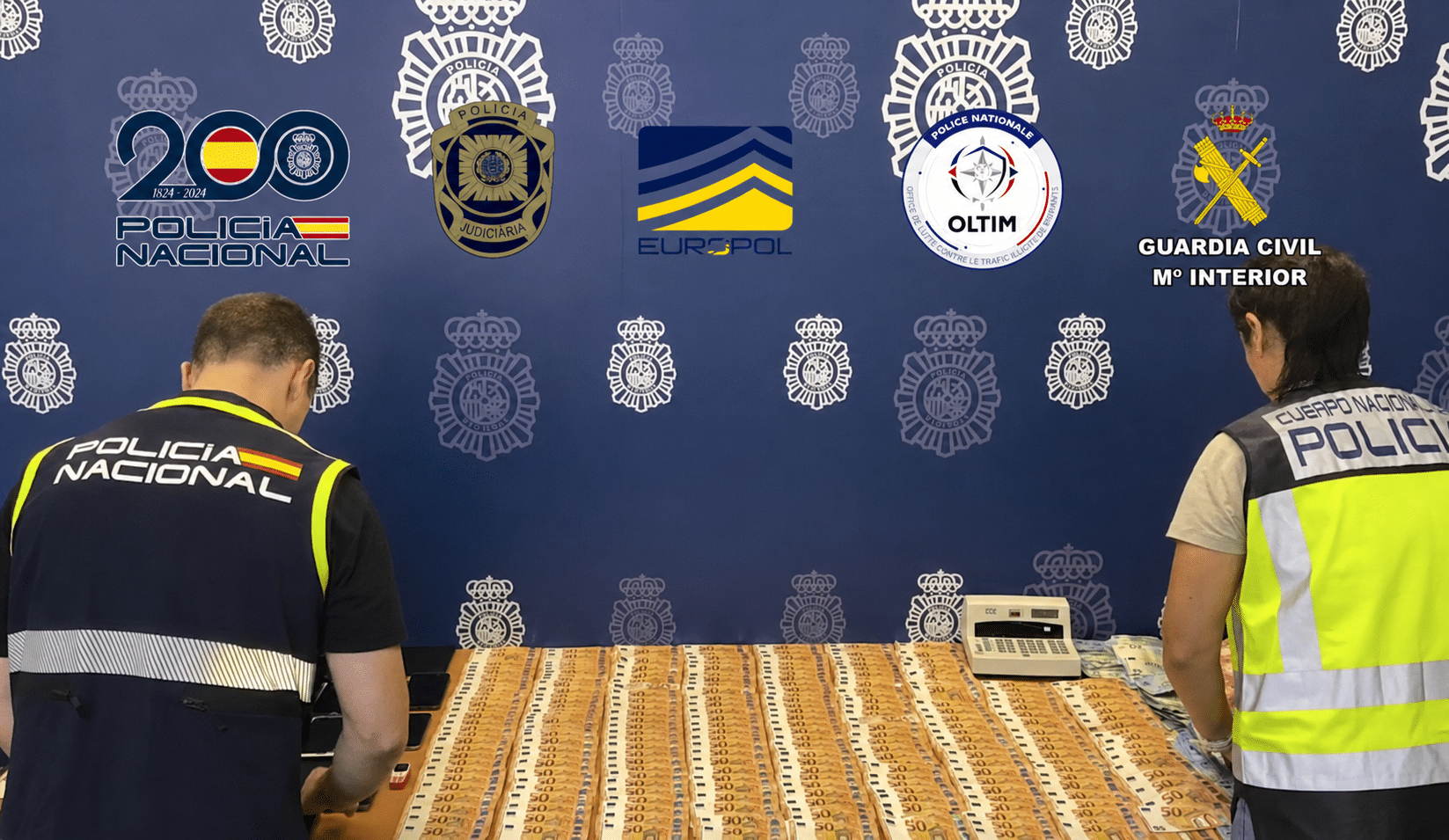
During the searches, officers seized €26,675 in cash, 15,000 MDMA tablets, 61 kilograms of hashish, 500 grams of cocaine and 40 grams of methamphetamine.
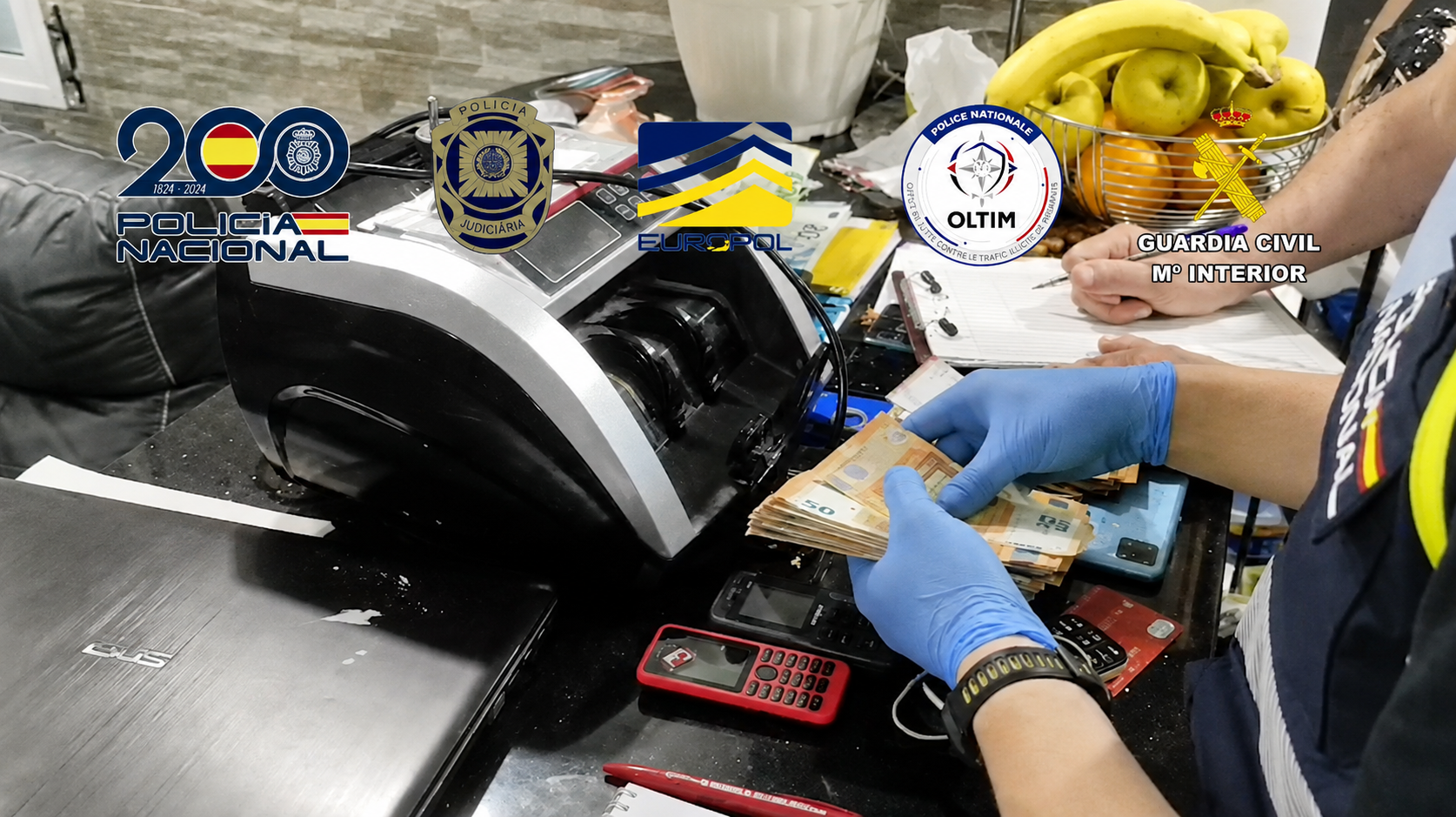
They also recovered a .38-calibre revolver, a replica submachine gun, ammunition, four vehicles, 725 litres of petrol, satellite antennas and geolocation equipment.
Bank accounts, properties and vehicles connected to several of the alleged leaders have been provisionally frozen or blocked.
Violence and intimidation
Police have described the organisation as extremely violent, using threats, coercion and physical attacks to maintain control over both its own members and the migrants it transported.
The investigation has uncovered allegations of assaults, kidnappings, extortion, illegal detention, score-settling and death threats.
The network is also suspected of maintaining links with figures associated with the so-called Mocro Maffia and Marseille’s organised crime underworld. Investigators believe instructions were sometimes issued through these wider international criminal circles.
Protecting the speedboats was regarded as a priority because of their enormous financial and operational value. According to police, some pilots were trained to confront law enforcement officers and take evasive action to prevent the vessels from being intercepted.
Those arrested face various allegations, including membership of a criminal organisation, migrant smuggling, drug and weapons trafficking, smuggling, money laundering, extortion, threats, robbery and unlawful detention.