Campoamor beach, a jewel of Orihuela Costa, is famous for its golden sands, clear waters, and family-friendly atmosphere. Yet, every time heavy rains hit the region, the beach faces serious problems.
Flash floods from nearby rambla channels rush water and sand into the sea, eroding the shoreline and washing away beach areas. Combined with strong coastal currents and limited natural or engineered protections, this makes the beach highly vulnerable.
The impact is felt not only by the environment but also by local tourism and businesses. Sand is often trucked back to restore the beach, and damaged promenades or paths require costly repairs.
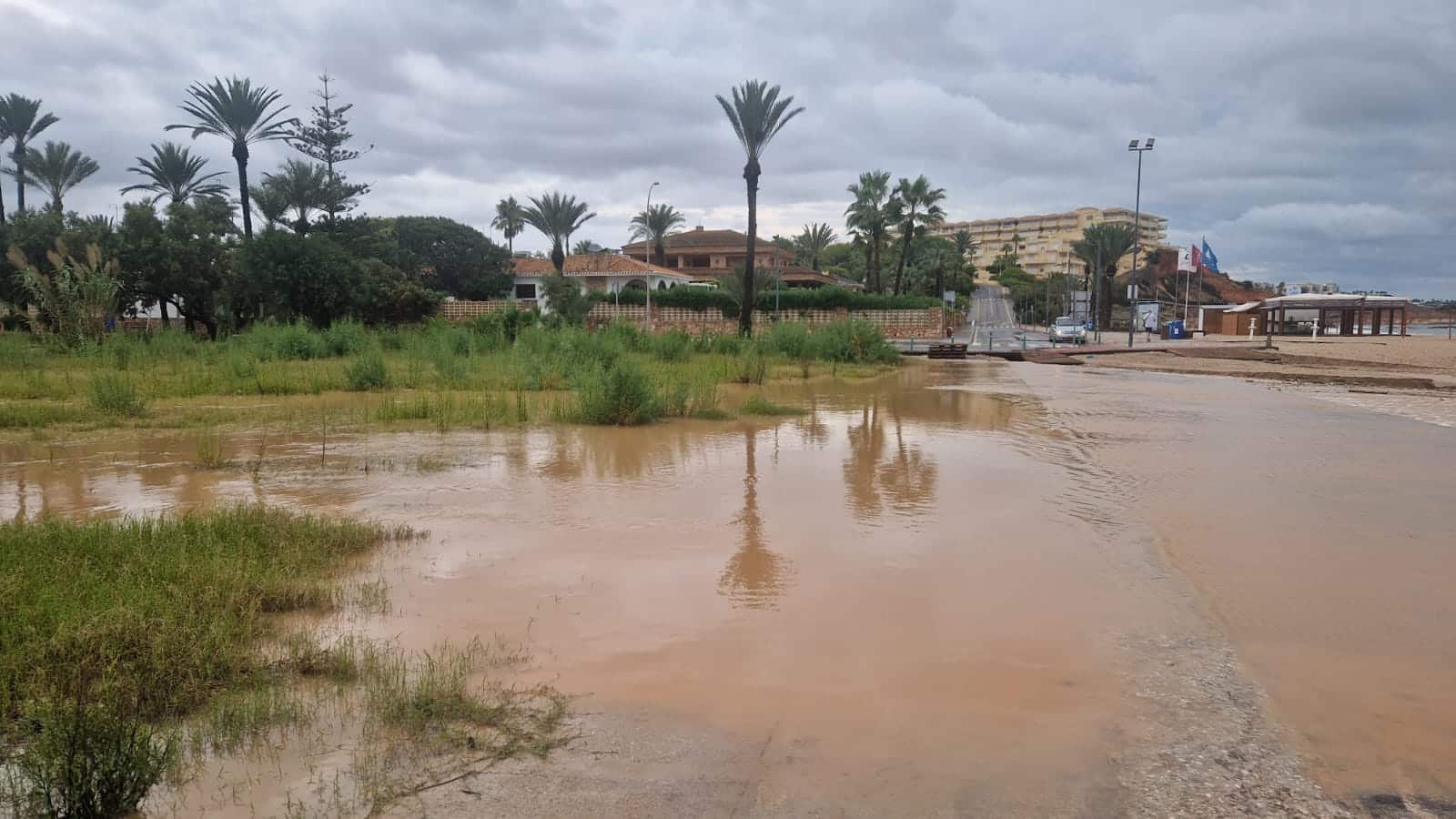
Urban development inland has worsened the situation: more paved and concreted surfaces mean faster runoff into the rambla, increasing the power of floodwaters. Meanwhile, degraded dunes and sparse vegetation reduce the beach’s natural ability to retain sand.
A combination of solutions is needed to protect Campoamor in both the short and long term. Beach nourishment, or adding sand, provides immediate relief, while groynes and breakwaters help trap sand and reduce wave impact over time.
Upstream measures like retention basins can slow floodwaters before they reach the beach. Improved drainage and modifications at the rambla outlet can also help to control sediment flow.
Costs vary depending on scale. Small-scale sand replenishment may cost €15,000–€25,000, while groynes, breakwaters, and seawalls can run into millions.
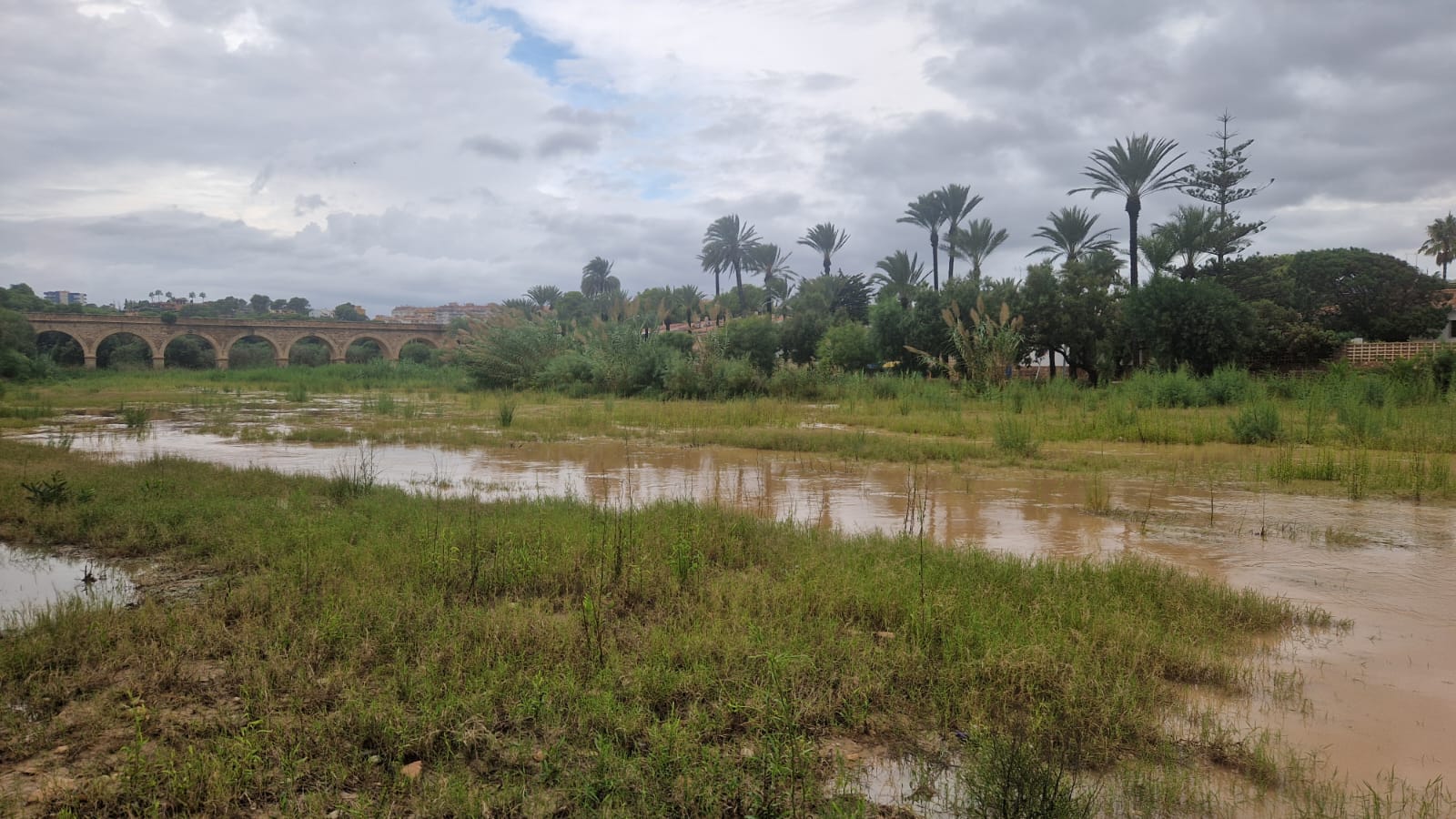
A blended strategy—combining short-term repairs, medium-term structural and ecological interventions, and long-term monitoring—offers the best chance of protecting Campoamor beach. By acting now, the Orihuela council can safeguard this beloved coastline, ensuring it remains a vibrant destination for residents and visitors alike.