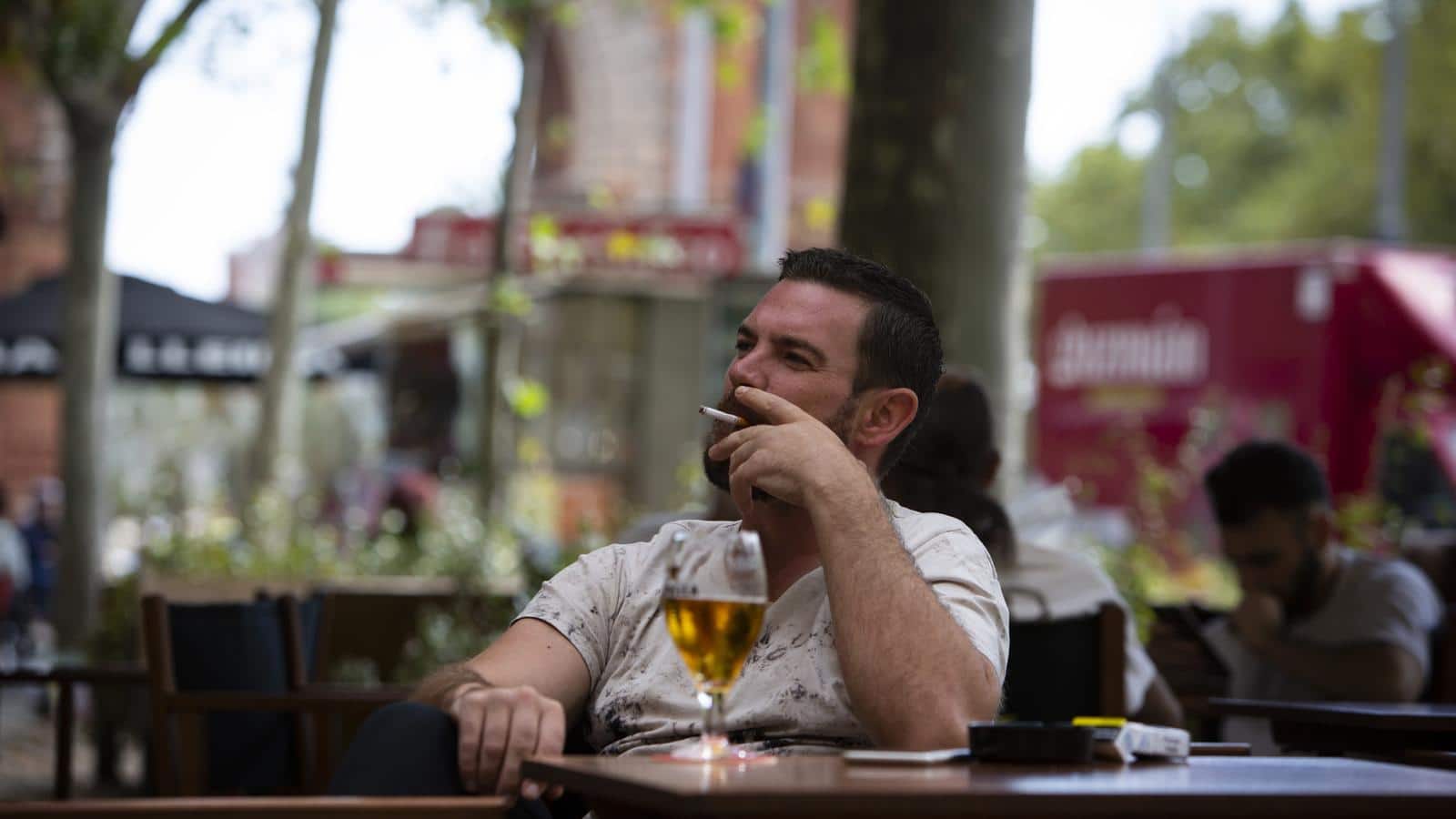
The debate over smoking has resurfaced with the approval of Spain’s new Anti-Tobacco Law, which tightens restrictions on smoking and vaping. The law includes bans on smoking on terraces and limits the sale of vapes to minors, with fines applicable to parents. Pulmonologists in the region have welcomed the measures, warning of a rise in respiratory illnesses linked to electronic cigarettes, particularly among adolescents and young adults.
Health Risks of Vaping
Dr. Carlos Baeza, a pulmonologist at Elche General Hospital, reports seeing young patients with no prior health issues suffering severe symptoms from vaping, including bronchospasms, acute lung inflammation, respiratory failure, fatigue, and persistent coughing. He emphasizes that vaping is not harmless, as inhaling chemicals and heavy metals—even in small amounts—causes inflammation and poses a public health risk. Toxic particles remain in the air after vaping, affecting children, asthmatics, and those with cardiovascular diseases.
Dr. Magdalena Mateo, head of the Addictive Behaviors Unit in the Vinalopó Health Department, adds that many adolescents perceive vaping as less addictive, though some studies indicate it may even be more carcinogenic than traditional cigarettes. She also notes the difficulty of regulating adolescent vaping, arguing that parental fines may be hard to enforce.
Dr. Eusebi Giner, head of Pulmonology at Sant Joan Hospital, highlights additional risks from flavored vapes, which can cause acute respiratory failure, lipoid pneumonia, and worsen asthma. He also points out that proper disposal of vape devices will be an emerging public health concern.
A study by the Spanish Lung Cancer Group found that over half of adolescents aged 14–18 have vaped, and 25% of children aged 12–13 have tried these devices, prompting concern among educators.
Passive and Third-Hand Smoke
Even outdoor smoking poses risks. Dr. Baeza explains that smoke affects people with chronic conditions, children, and those with asthma, COPD, or cardiovascular disease. Dr. Giner notes that terraces are often semi-enclosed, causing smoke to accumulate and increasing health risks.
Magdalena Mateo draws attention to third-hand smoke—residues left on furniture, curtains, and surfaces—which is also harmful. According to the WHO, there is no safe level of exposure. In Spain, tobacco-related illnesses cause around 60,000 deaths annually, including 2,500 in Alicante, with 10% from passive smoking.
Hospitality Sector Pushback
The hospitality industry opposes terrace smoking bans. Javier Galdeano, from the Alicante Association of Restaurants and Nightlife, argues that outdoor smoking poses minimal risk and that terrace owners should have discretion over banning it.