The Orihuela City Council has uncovered serious irregularities in public subsidies granted to the festival committees of La Murada and Orihuela Costa, but the scandal, now dubbed ‘Fiestagate’, raises as many questions as it answers.
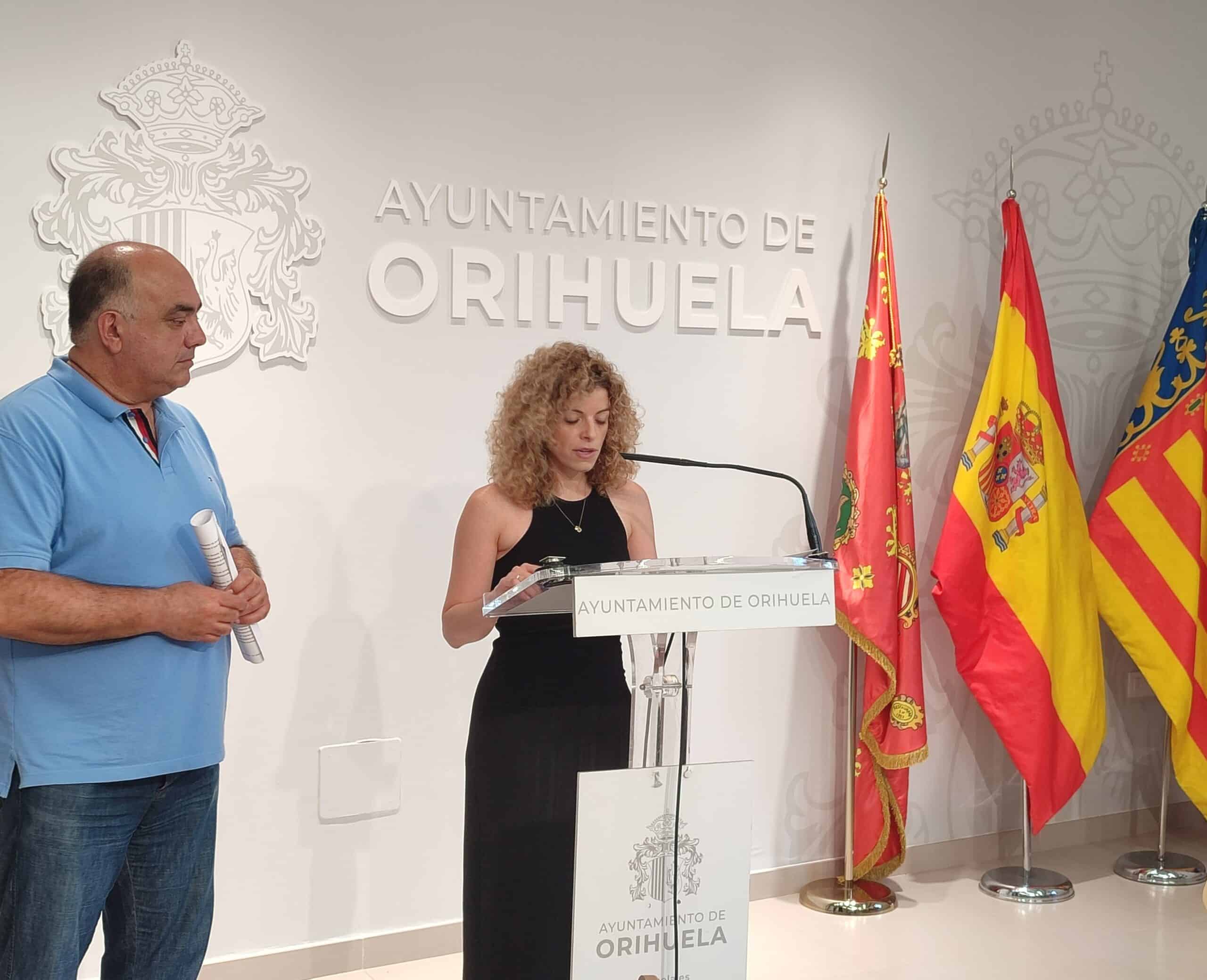
Councillor for Festivities, Rocio Ortuño, announced that allegedly falsified invoices and bank statements were used to justify €19,280.97 and €7,352.38 in public funds, respectively. These amounts had already been paid in advance in December 2024, following what the Council claims was a “standard procedure.” That procedure must now come under scrutiny.
Why Were These Payments Made Without Any Checks?
Despite Ortuño highlighting the success of reinforced oversight mechanisms, this oversight only kicked in after the funds had already been disbursed. This raises a crucial, unanswered question: Why were significant public funds handed out without any verification?
If this is indeed the standard procedure, it reveals a glaring weakness in Orihuela’s financial controls, one that clearly must be revised to prevent similar incidents in the future.
Who Is Being Held Accountable?
So far, only one resignation has been made public: an adviser to the Council who also happened to be president of the La Murada festival committee at the time the fraudulent documentation was submitted. But when it comes to Orihuela Costa, no disciplinary actions have yet been announced.
SEE ALSO: Fraud uncovered in grants awarded to Festival Committees
Councillor Ortuño has stated there is “zero tolerance” for the misuse of public money. Yet no details have been provided about any consequences for those involved in the Orihuela Costa case.
Who is being held accountable? Are any sanctions or dismissals being pursued? The silence on this front calls the “zero tolerance” claim into question.
Should Councillor Ortuño Resign?
As head of the Festivities Department and the official ultimately responsible for how these subsidies are managed, Councillor Ortuño herself is now facing growing scrutiny. Despite presenting the situation as a victory for internal controls, critics argue that these controls came too late, 7 months after the money was already gone.
If responsibility is to be taken seriously, then the logical question is: Will Councillor Ortuño do the honourable thing and resign?
What’s Next?
While the Council has initiated efforts to recover the funds, referred the case to legal advisors, and promised full cooperation with the justice system, the damage has been done, not just financially, but in terms of public trust.
The City Council insists that these are isolated incidents and that most festival committees act with integrity. However, without structural changes to the grant process, the risk of repeat offenses remains.
Until those responsible are clearly identified, held accountable, and the funding process itself is overhauled, Fiestagate will remain an open wound—and an open question—for Orihuela’s local government.