Orihuela Council is preparing a major restoration project designed to protect and promote the Los Saladares archaeological site, with plans to eventually include it in the municipality’s programme of guided cultural visits.
The next phase is expected to begin in the coming months, subject to authorisation from the Valencian regional government’s Directorate-General for Cultural Heritage.
Los Saladares is regarded as one of the most important protohistoric settlements in south-eastern Spain and along the eastern Iberian Peninsula. The council says the project will build on several years of archaeological research, excavation and conservation work.
Councillor for Historical Heritage Matías Ruiz said the scheme represented another important step in the recovery of the site.
“After several years of research and conservation work, we are moving forward with a project that will allow us to continue restoring and showcasing Los Saladares,” he said.
“Our aim is not only to protect the site, but also to ensure that residents and visitors can understand its importance. We want Los Saladares to become part of Orihuela’s cultural attractions and, once all the necessary work has been completed, to include it in the municipality’s guided tours.”
- Protecting the Original Structures
The project follows a series of consolidation, maintenance and preservation measures carried out during previous archaeological campaigns.
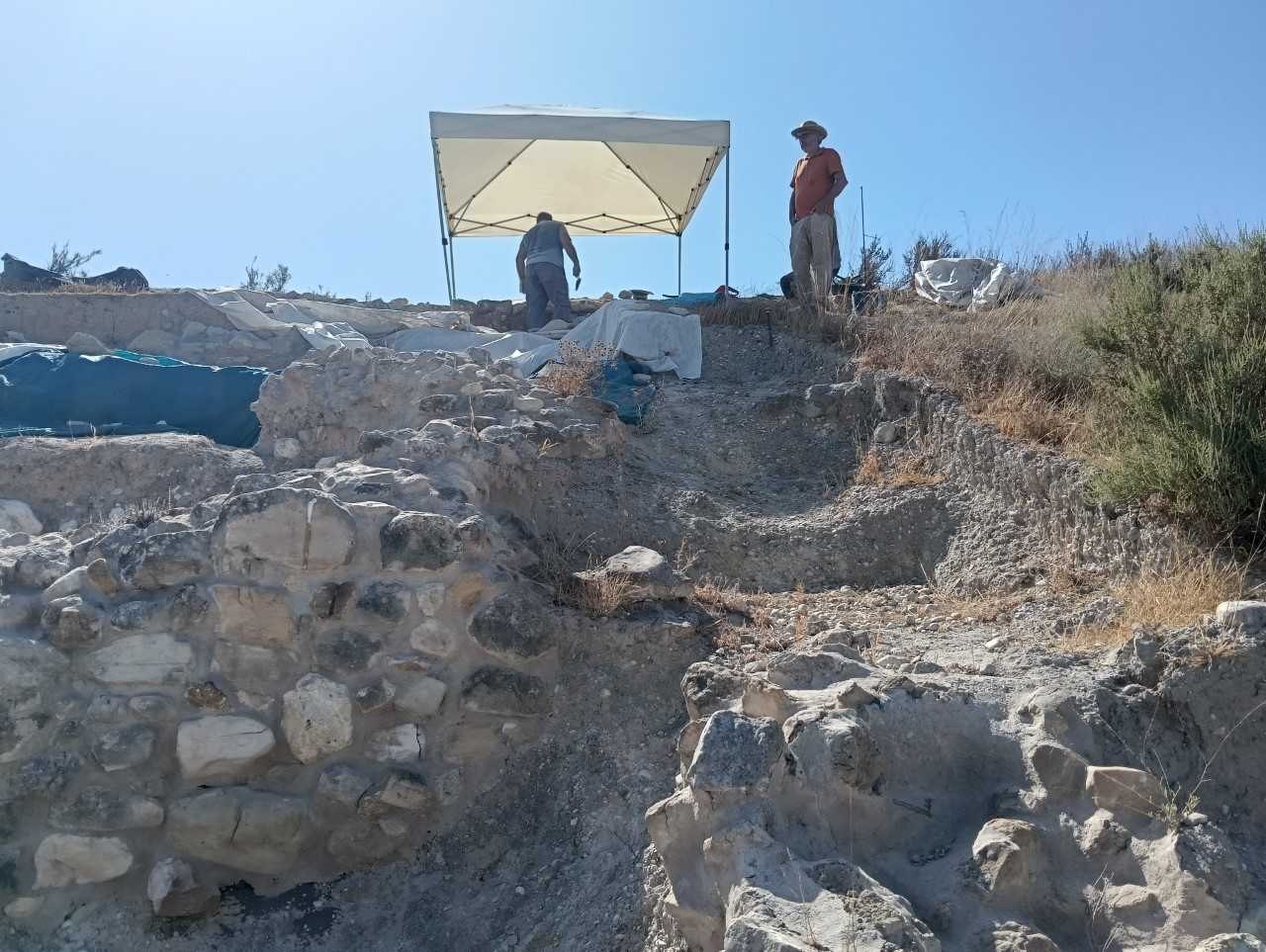
Each phase has included specific conservation work, such as covering excavated areas with geotextile material to protect them from deterioration. Additional rows of stones have also been placed on top of some walls to safeguard the original structures while making their layout easier for future visitors to understand.
According to the council, the work also fulfils its legal responsibility to protect and conserve the site as an officially designated Asset of Cultural Interest.
The consolidation and maintenance contract was awarded by Orihuela Council to Alebus Patrimonio Histórico SL, a company specialising in cultural heritage projects.
The excavations and preservation work have been supervised by municipal archaeologist Silvia Yus, from the council’s Historical Heritage Department, in accordance with the regulations governing archaeological activity in the Valencian Community.
- Evidence of Phoenician Influence
The work forms part of a four-year General Research Plan established through an agreement between Orihuela Council and the University of Alicante’s Department of Prehistory. The programme is led by Professor of Prehistory Alberto Lorrio.
Excavations have helped archaeologists better understand the settlement’s development, recover important information from its different archaeological layers and examine construction techniques from its various periods of occupation.
A number of artefacts have also been uncovered, including an ivory comb. Researchers have studied how Los Saladares developed into a prosperous Orientalising settlement following the arrival of cultural and commercial influences from Phoenician colonies.
Evidence gathered at the site suggests that Los Saladares played an important role as a distribution centre for Phoenician goods transported along the River Segura.
“Los Saladares is a fundamental part of our archaeological heritage,” Ruiz said. “The work being carried out allows us to learn more about our history while ensuring that the site is preserved for future generations.”
- A Site of National Importance
Los Saladares is considered crucial to understanding the impact of Phoenician culture on indigenous communities in south-eastern Spain towards the end of the Bronze Age.
Its historical and archaeological significance led to its designation as an Asset of Cultural Interest under a Royal Decree dated October 27, 1978, when it was officially recognised as a national historic, artistic and archaeological monument.
Orihuela Council purchased the site on September 11, 2019, with the aim of supporting further excavation and research while working towards its restoration, public interpretation and eventual opening to visitors.