Granada has been shaken by another powerful earthquake, sending frightened residents rushing from buildings just four days after an even stronger tremor struck the province.
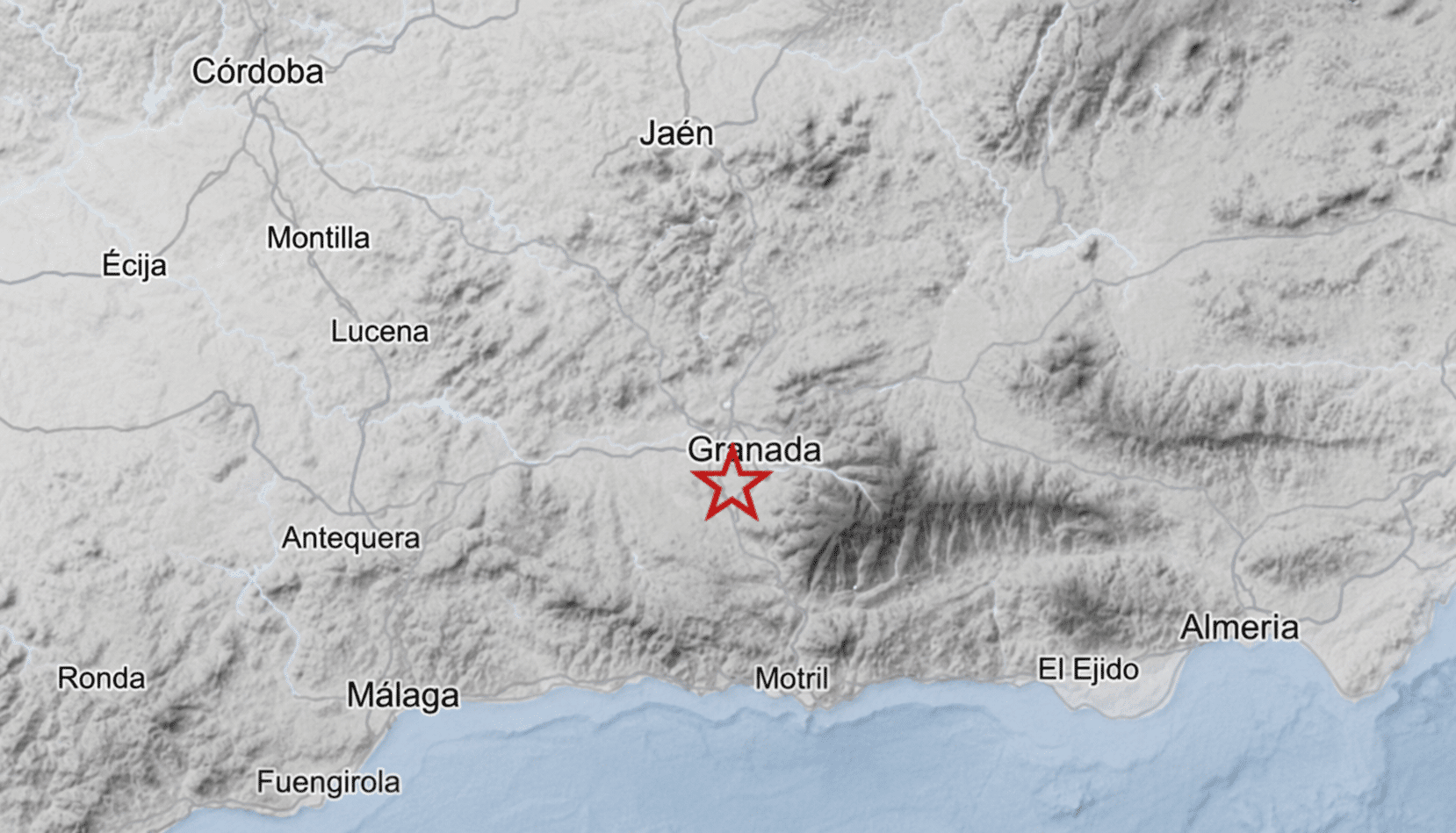
The magnitude 4.7 quake hit at 10.37am on Tuesday, August 18, with its epicentre northwest of Gójar in Granada’s metropolitan area, according to preliminary information from Spain’s National Geographic Institute (IGN).
The earthquake was felt strongly across Granada city and its surrounding towns, with reports of movement reaching as far as parts of neighbouring Almería province.
Residents described buildings swaying, furniture shaking and doors and windows rattling as the latest tremor ripped through the area. Hanging objects swung violently, while crockery and glassware clattered in homes and businesses.
The initial magnitude was recorded as 4.7 mbLg, the scale commonly used by the IGN for earthquakes in and around the Iberian Peninsula.
Early assessments placed the maximum intensity between levels V and VI—classified as “strong” to “slightly damaging”.
At intensity V, an earthquake is felt by almost everyone inside buildings and by some people outdoors. Sleepers may be woken, frightened residents can run outside and unstable objects may move or fall.
An intensity VI tremor can cause people to lose their balance, shift furniture and break plates, glasses or windows. However, this classification describes how strongly the earthquake was experienced rather than confirming that widespread damage occurred.
There were no immediate reports of serious injuries or major structural damage following Tuesday morning’s quake.
Granada Caught in Earthquake Swarm
The latest shock follows several days of intense seismic activity around Alhendín, Gójar and other municipalities in the Granada metropolitan area.
Granada was rocked by an even larger earthquake during the early hours of Saturday. That tremor struck northeast of Alhendín at approximately 1.04am and was initially measured at magnitude 4.8 before being upgraded to 5.0.
Hours earlier, a magnitude 3.7 earthquake had been detected in the same general area. That shock was reportedly felt across 67 municipalities in Granada province.
Despite the strength of Saturday’s earthquake, authorities reported no injuries, serious structural damage or major material losses.
The repeated tremors have nevertheless left residents on edge, with every vibration raising fears that a more damaging earthquake could follow.
Warning Proves Accurate
Andalusian regional president Juanma Moreno warned on Sunday that Granada could experience further seismic activity over the following days or even weeks.
His prediction was confirmed just two days later when Tuesday’s magnitude 4.7 earthquake again shook the metropolitan area.
Moreno urged residents to remain calm, exercise caution and follow official safety instructions whenever a tremor occurs.
During an earthquake, emergency authorities generally advise people inside buildings to stay away from windows, shelves and objects that could fall. Residents should shelter beneath sturdy furniture or beside a strong internal wall and avoid using lifts.
Those outdoors should move away from buildings, walls, streetlights and electricity cables. Drivers should stop in a safe location without blocking roads required by emergency vehicles.
People should not rush towards staircases or exits while the ground is shaking, as falling masonry, broken glass and panicked crowds can present a greater immediate danger.
Granada lies in one of Spain’s most seismically active regions because of the collision between the African and Eurasian tectonic plates.
Minor earthquakes are relatively common, but the succession of stronger tremors has transformed an otherwise busy summer week into an anxious wait for thousands of residents.
After Saturday’s magnitude 5.0 shock and Tuesday’s powerful 4.7 tremor, Granada is once again braced for possible aftershocks.