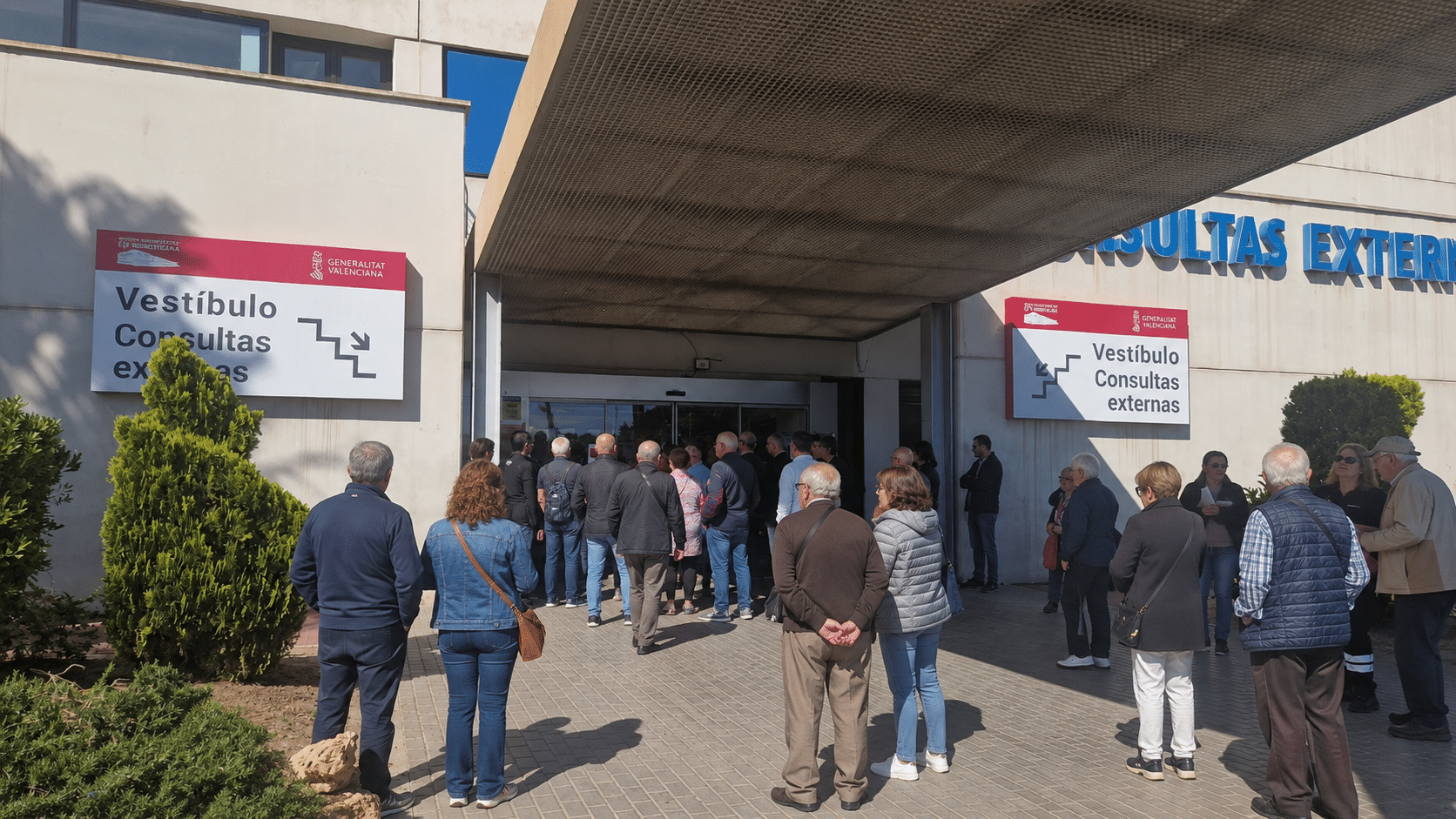
Residents and healthcare campaigners say health services in Torrevieja and the surrounding Vega Baja area are under growing pressure because planning has failed to keep pace with the rapid rise in population.
Torrevieja and nearby municipalities are among the clearest examples of Alicante province’s current demographic growth. The population has increased sharply in recent years, partly due to the arrival of residents from other countries. Many of these residents are older, which has also increased demand for healthcare.
According to the Platform for 100% Public and Quality Healthcare in the Torrevieja Health Department, the current system is no longer adequate. Its spokesperson, Manuel Gómez Costa, says healthcare planning in the Vega Baja is “obsolete” and does not reflect the area’s real needs.
“The Torrevieja hospital was designed for 100,000 people, and today the population of Torrevieja alone is already higher than that,” Gómez Costa said. The hospital also serves residents from other municipalities, including Guardamar del Segura, Pilar de la Horadada and Rojales, further increasing the number of potential patients.
The platform’s main demand is the construction of a second hospital to reduce pressure on the current facility. Campaigners also point to promised investment that they say has not been fully delivered.
“Of the €11 million promised for the hospital’s expansion, the renovation has amounted to little more than €1 million,” Gómez Costa said.
The group also warns that transport links are a serious problem. While Torrevieja is connected to the hospital by public transport, many surrounding towns are not. Campaigners say this particularly affects elderly residents, who may be left dependent on relatives to attend medical appointments.
Other concerns include a shortage of hospital beds, pressure on emergency services and a lack of staff in several medical specialties. The nursing union SATSE has also raised concerns about conditions in the Emergency Department through a complaint to the Labour Inspectorate.
Campaigners say delays in primary care have become common, while waiting times for some surgical tests can reach up to two years.
The platform also points to continuing problems following the hospital’s return to public management five years ago. Gómez Costa described the process as “traumatic”, saying the public system inherited outdated infrastructure and equipment after 15 years of private management by the Ribera Salud group.
One example cited by the platform is the laboratory service. According to Gómez Costa, it cost around €20 million a year when outsourced, but after the reversion to public control the cost fell to just over €2 million.
The group also says the hospital’s IT system is still not properly integrated with the wider Valencian public health network. This can create difficulties for patients, who may have to collect test results from the hospital and take them to their doctor themselves.
For campaigners, the message is clear: without major investment, better staffing, improved transport links and a second hospital, healthcare services in Torrevieja and the surrounding area will remain under severe strain.