There are comeback stories—and then there’s Mar Menor’s Allan McCarthy’s.
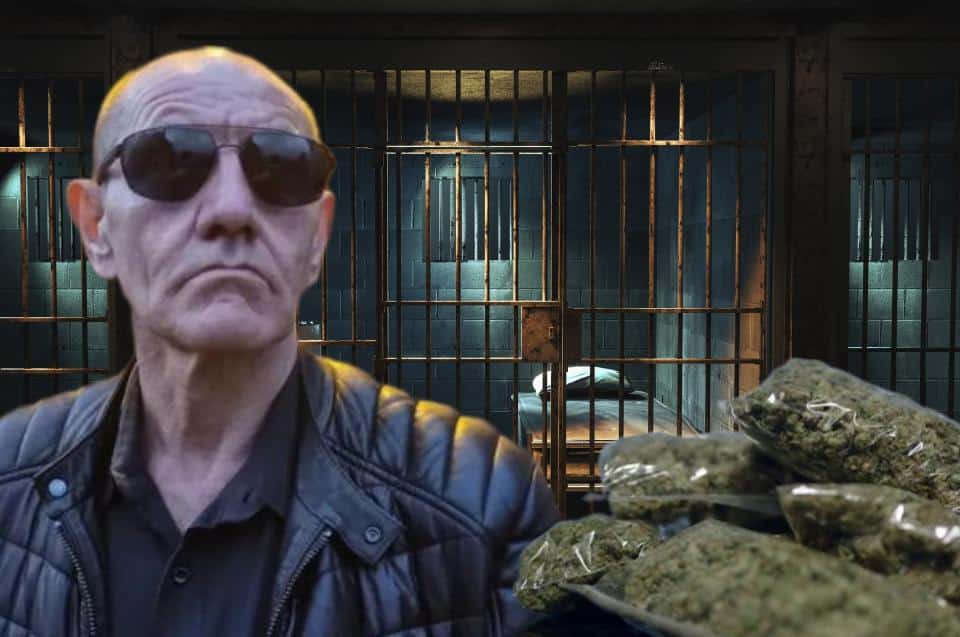
Once a tour guide living under the Spanish sun, McCarthy’s life took a sudden and irreversible turn in the 1990s when a cannabis arrest landed him inside one of Spain’s most notorious prisons. What could have ended as a cautionary tale instead became something far more extraordinary: a story where music didn’t just pass the time—it rewrote his future.
Now, that journey is being brought to the screen by award-winning director David S. Zucker, with filming underway in Glasgow.
The Moment Everything Changed
Before prison, McCarthy’s life was defined by movement—guiding tourists, living freely, and navigating a world without boundaries. Prison stripped all of that away overnight.
What it didn’t take was his instinct to create.
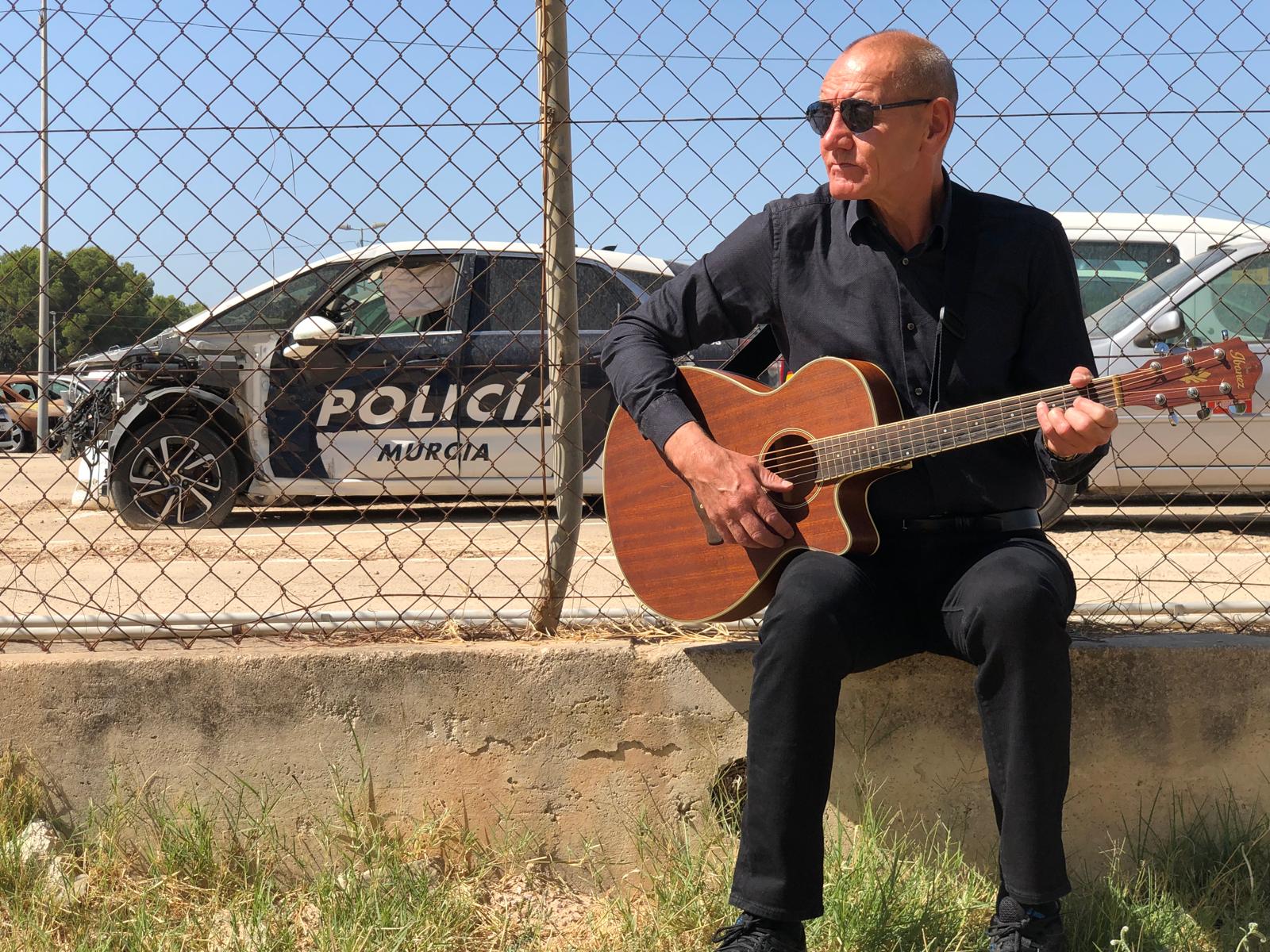
Inside, surrounded by routine, restriction, and survival, McCarthy did something unexpected: he started a band.
Music Behind Bars
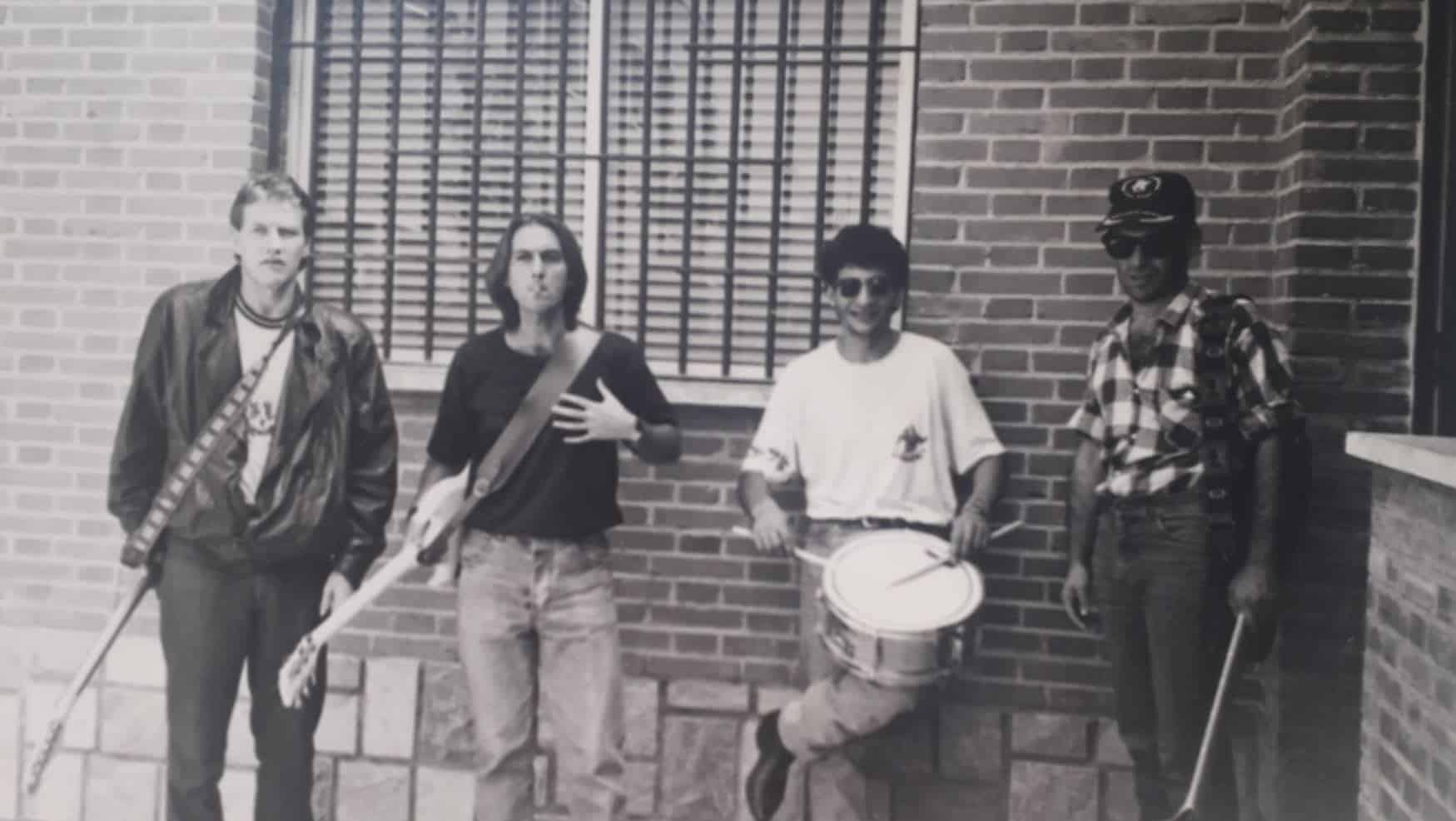
What began as a way to cope soon became something much bigger. Alongside fellow inmates, McCarthy formed a rock group that cut through the noise of prison life with raw, undeniable energy.
The music wasn’t just good—it was impossible to ignore.
Against all odds, prison authorities took notice. In a move almost unheard of, the band was granted supervised release to record in a professional studio outside the prison walls. For McCarthy, it was more than a privilege—it was proof that his identity wasn’t defined by his sentence.
Music had become his outlet, his resistance, and ultimately, his way forward.
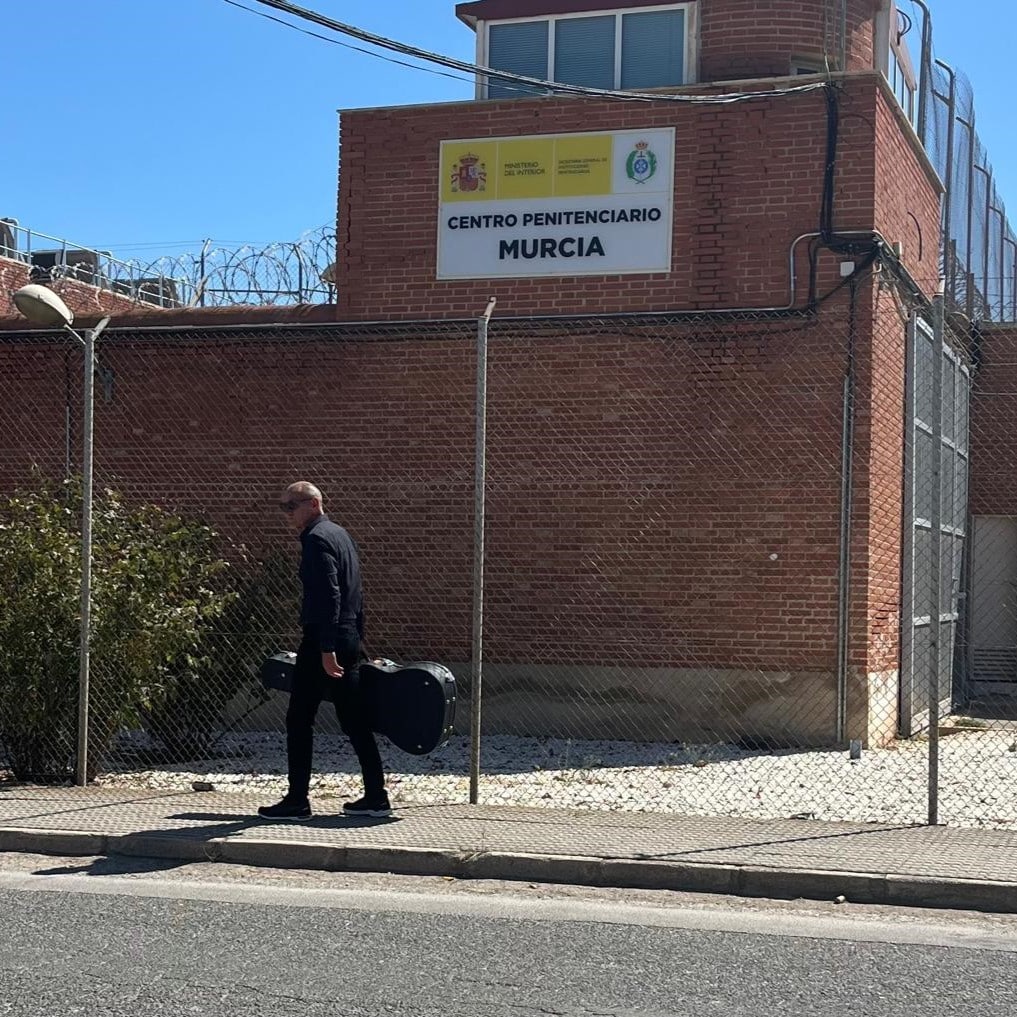
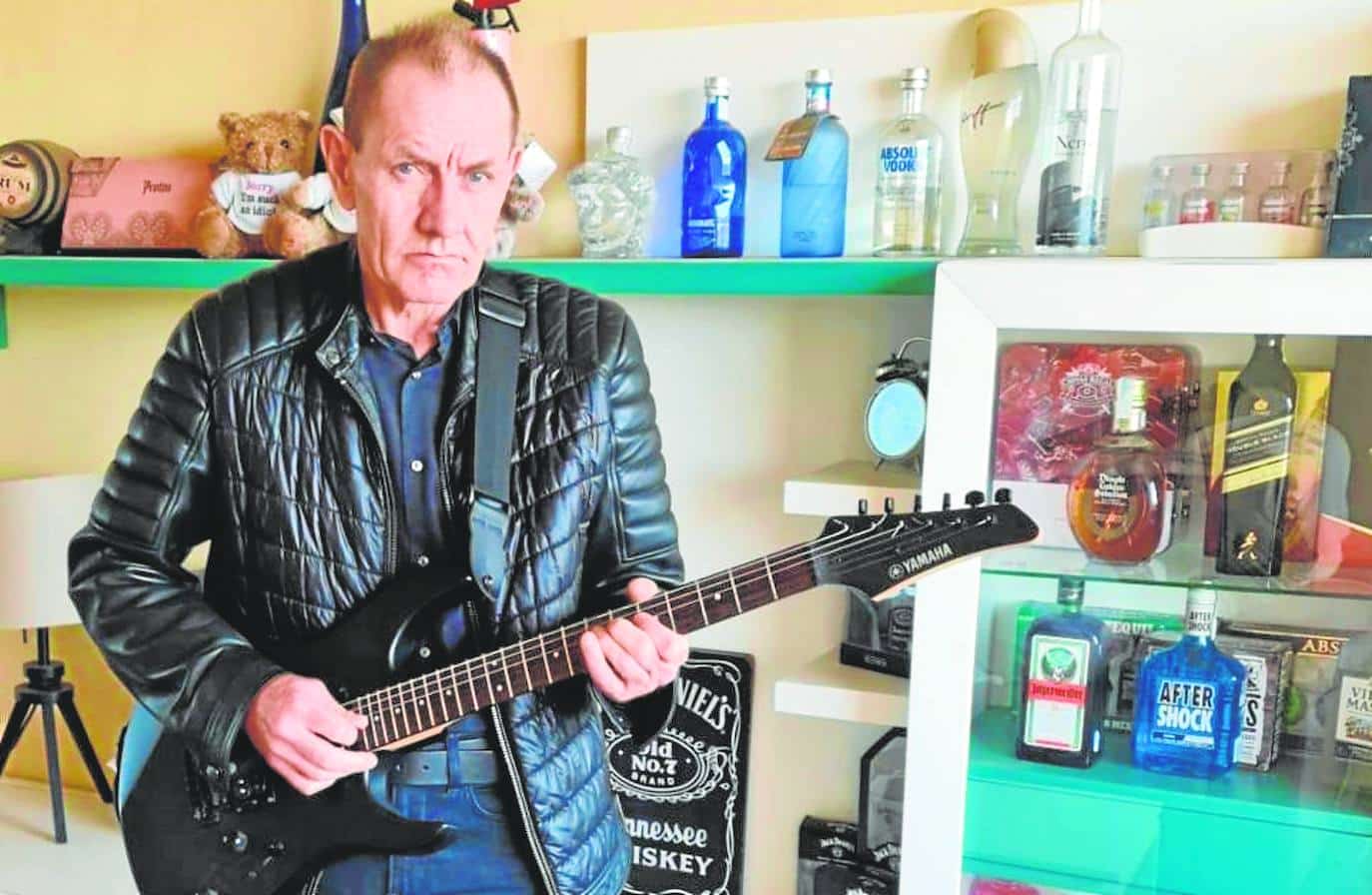
A Story That Demands to Be Told
For years, McCarthy’s story circulated in fragments—rumours, headlines, half-told anecdotes. It wasn’t until Glasgow-based photojournalist Brian Anderson met him in person that its full weight became clear.
“I’d heard the story—the prisoner who formed a band—but it sounded almost unreal,” Anderson says. “Then you meet Allan, and you realise it’s not just true, it’s powerful. It’s about what people are capable of, even in the worst situations.”
That authenticity is what now anchors the documentary.
More Than Survival—Transformation
At its core, McCarthy’s story isn’t about crime. It’s about what happens after everything falls apart.
Director Zucker was drawn to that exact contradiction.
“This is not just a story about prison—it’s a story about possibility,” he explains. “Allan created something meaningful in a place designed to take everything away. That’s what makes this story so rare.”
Through interviews led by Dominique Mabille and production support from Hendo Film, the film builds a portrait not just of events—but of evolution.
Glasgow as the Backdrop, McCarthy as the Heart
Though filmed in Glasgow, this is unmistakably McCarthy’s story—told through his voice, his music, and the people who witnessed his transformation.
The documentary blends firsthand accounts, archival storytelling, and a strong musical thread that reflects the very thing that changed his life.
The Power of a Second Chance
What makes Allan McCarthy’s journey resonate isn’t just its improbability—it’s its humanity.
In a place where identity is often reduced to a number, he found a way to be heard. In a system built on confinement, he created something expansive. And in a moment where his life could have stalled, he found momentum.
Music didn’t just save him—it redefined him.
As the documentary prepares for festival premieres in Scotland and beyond, one thing is clear: this isn’t just a prison story, and it isn’t just a music story.
It’s Allan McCarthy’s story.
And it’s one that refuses to be forgotten.
SEE ALSO: The Mar Menor’s Jailhouse Rocker