Daily barriers ignored as disabled and elderly residents still struggle on Orihuela’s streets
For many disabled and elderly residents, navigating Orihuela remains a daily ordeal, marked by physical obstacles and what campaigners describe as a persistent lack of effective action from the City Council. While official discourse frequently refers to inclusion and accessibility, the reality on the streets continues to expose a wide gap between policy statements and living experience.
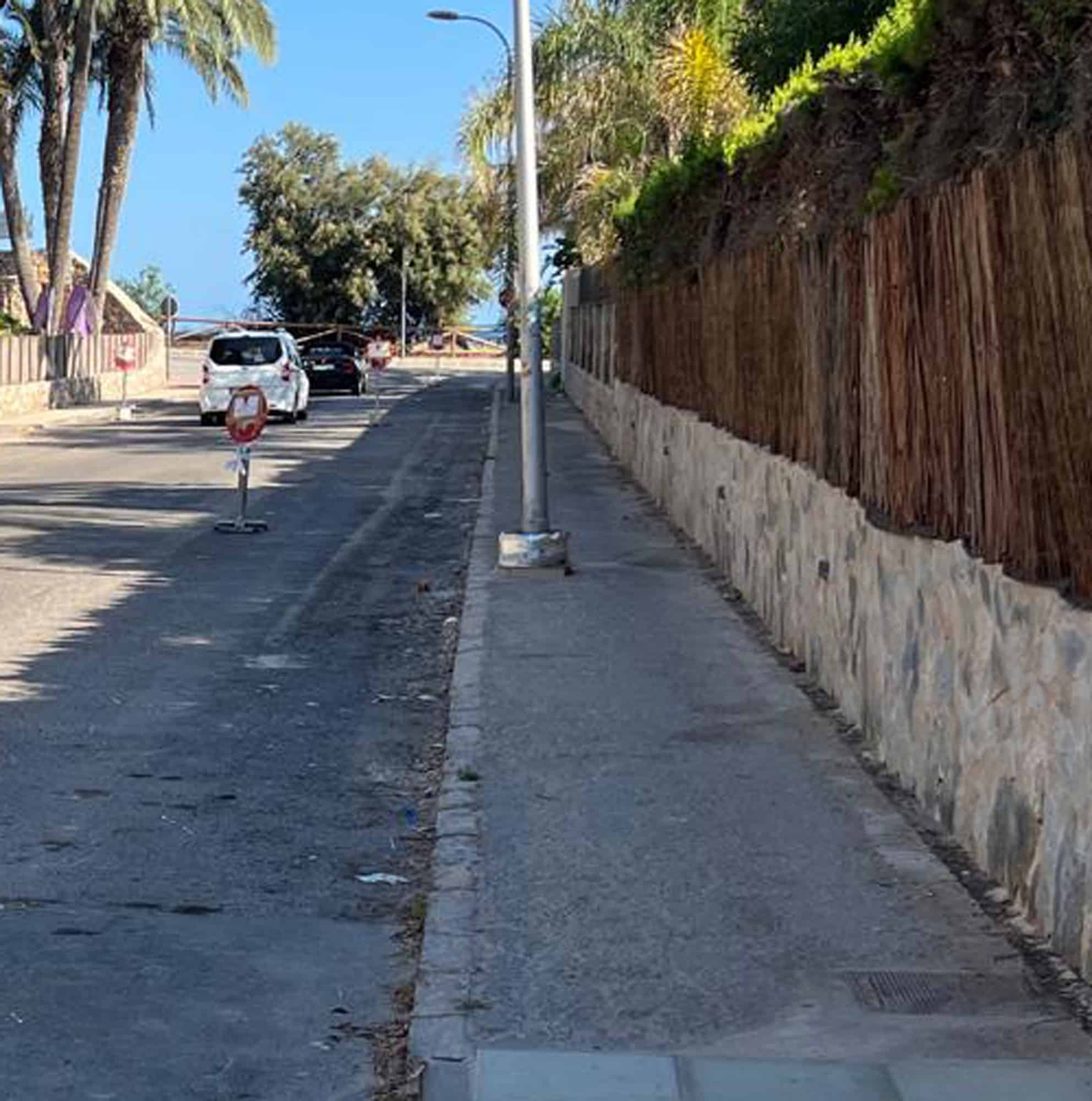
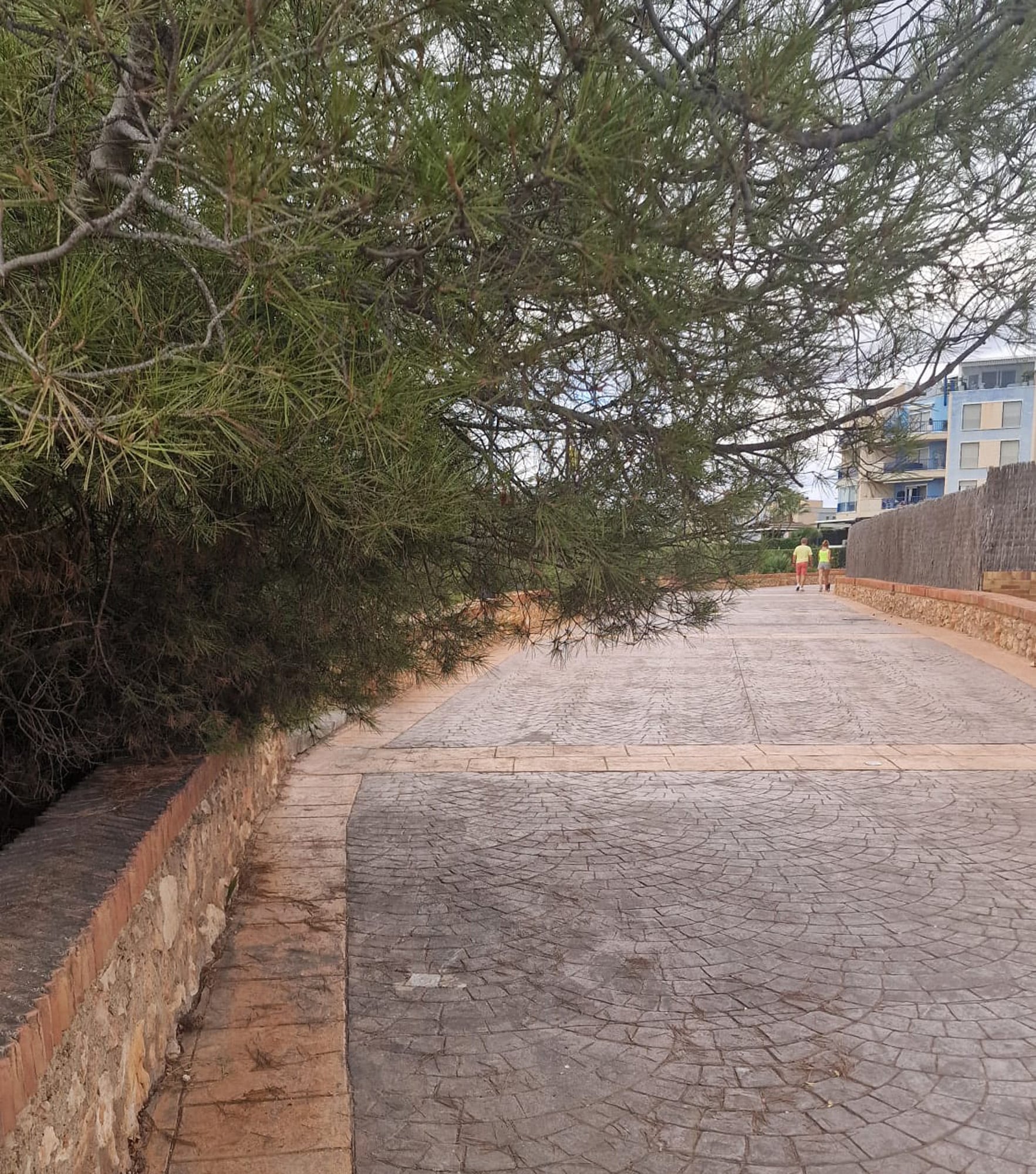
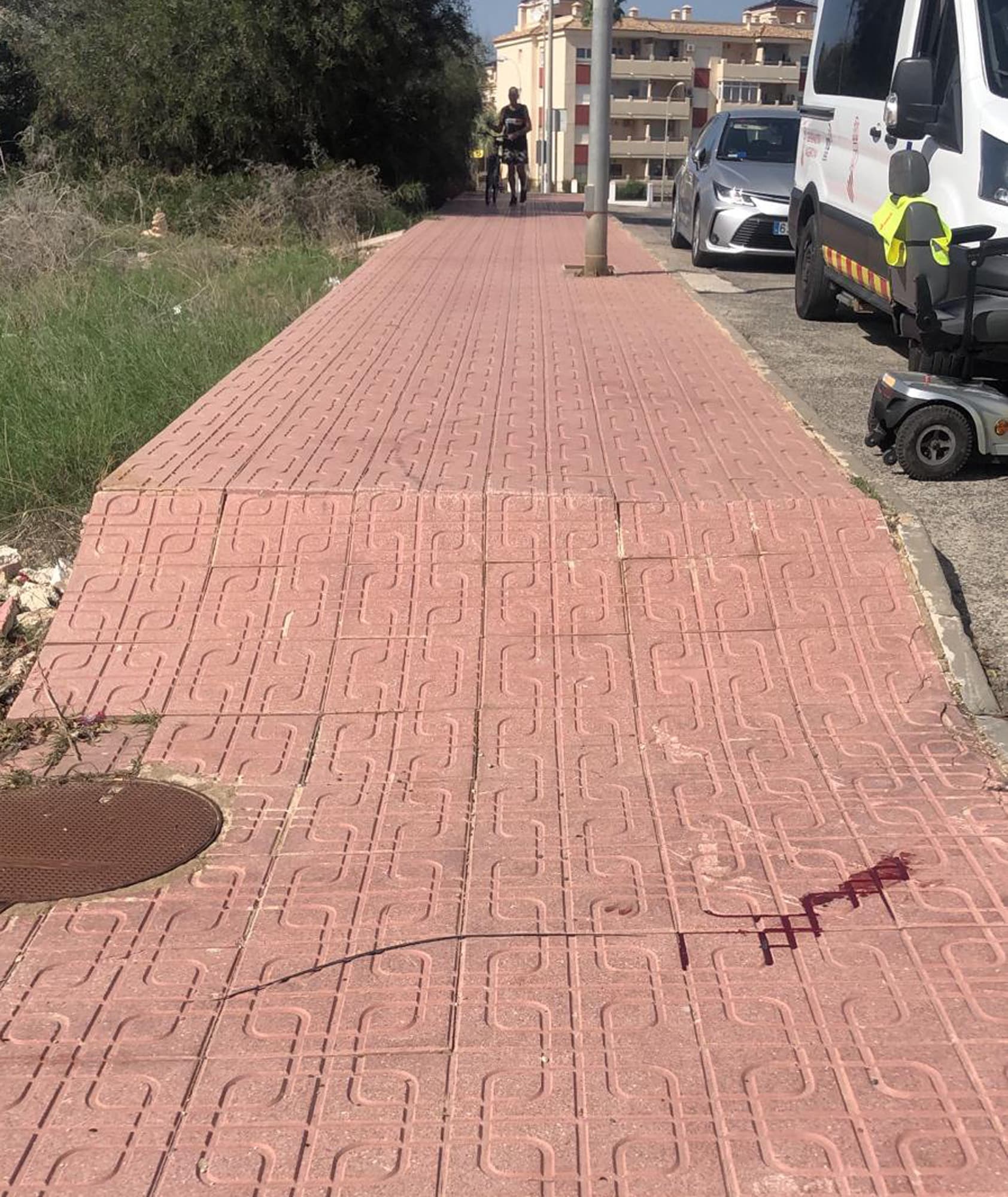
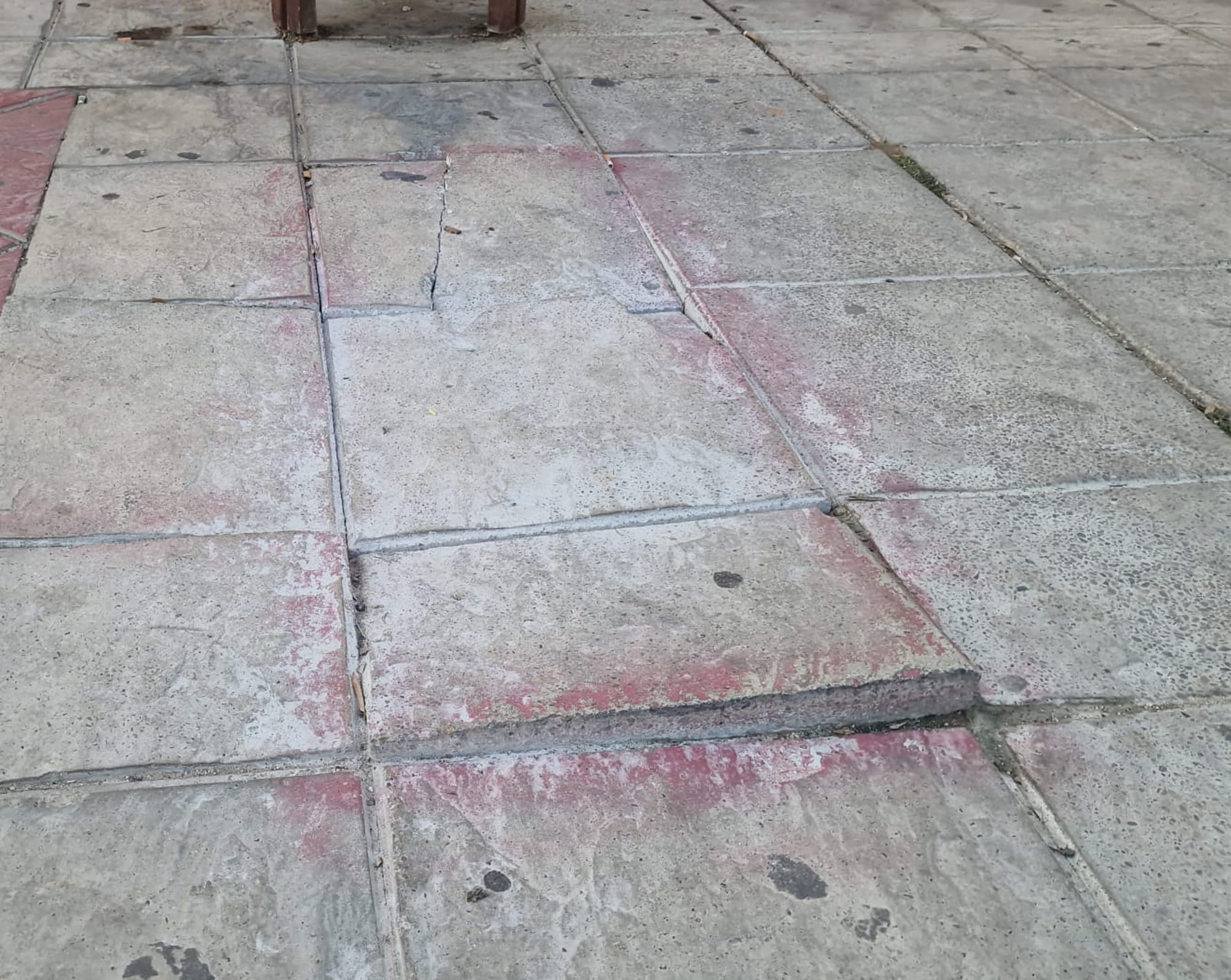
Uneven pavements, poorly designed pedestrian crossings, narrow and obstructed pavements and inadequate drainage routinely place wheelchair users, people with visual impairments and those with reduced mobility at risk. These problems are not occasional oversights but recurring features of the urban environment, suggesting a systemic failure by councillors to understand how disabled residents actually use public space.
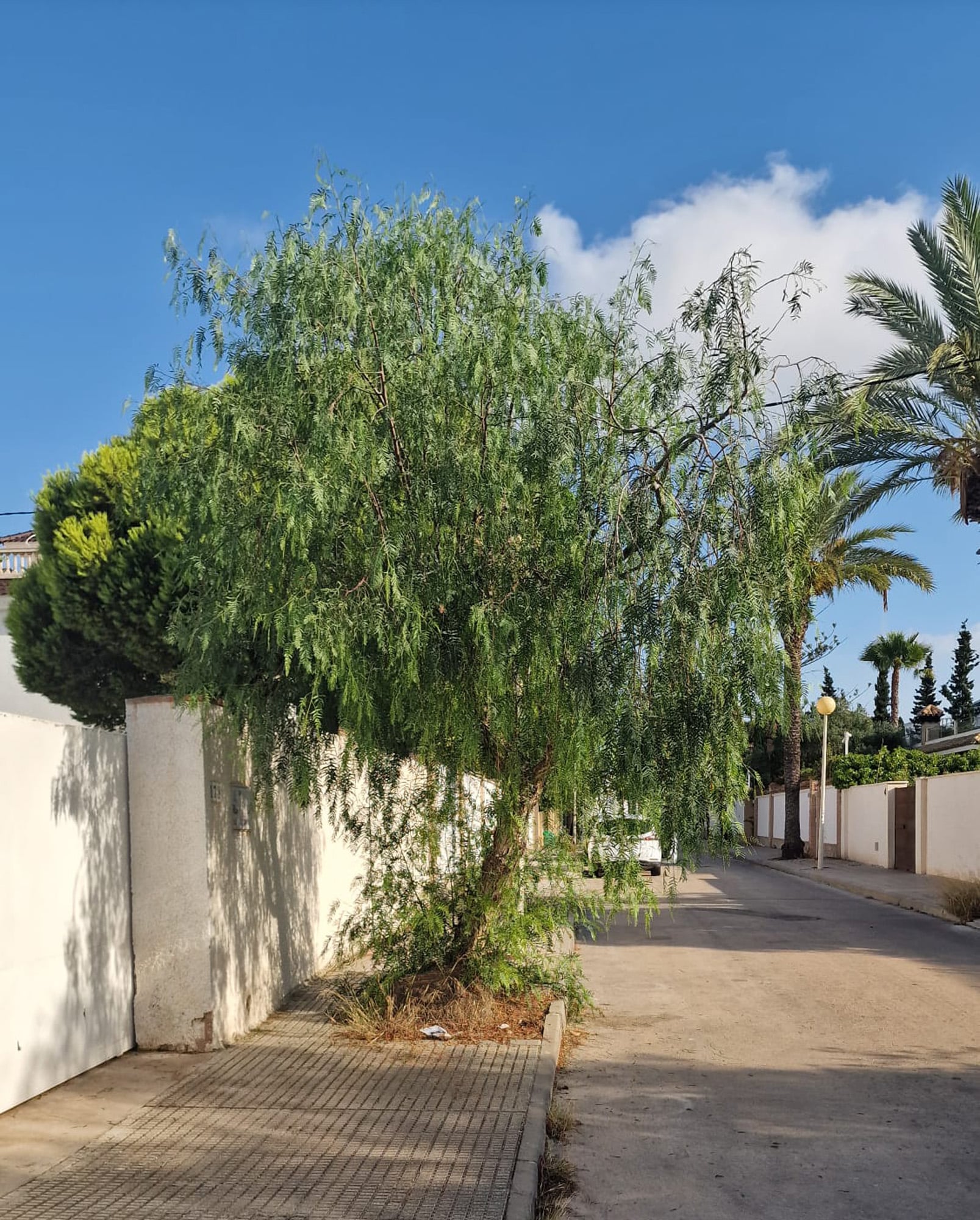
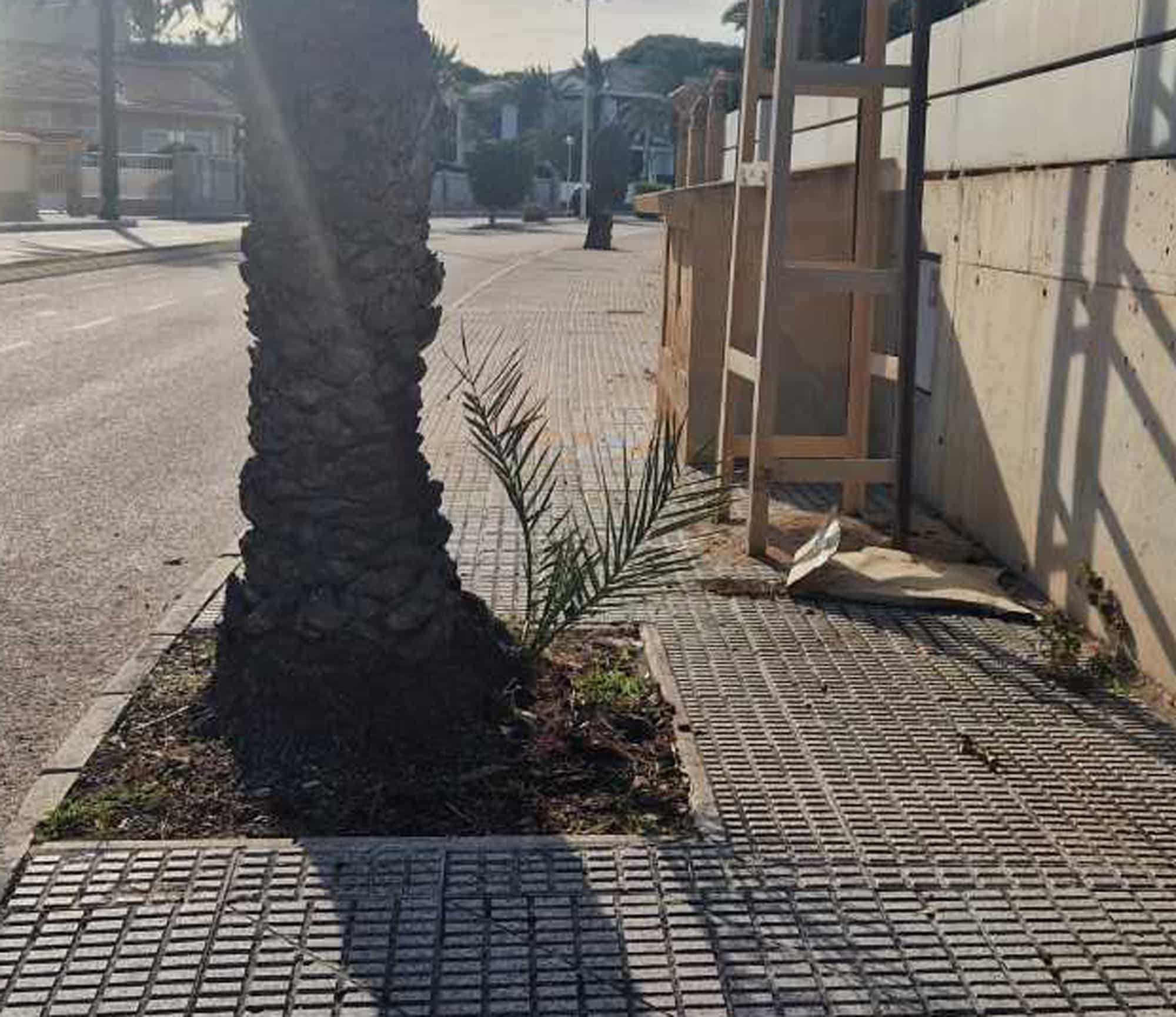
Critics argue that accessibility is too often treated by the council as a regulatory formality rather than a practical necessity. Infrastructure projects may technically comply with minimum standards, yet still overlook everyday realities: kerbs that prevent independent movement, tactile paving that leads into obstacles or dead ends, and street furniture positioned without regard for safe, continuous passage. The result is a municipality that appears accessible on paper but remains exclusionary in practice.
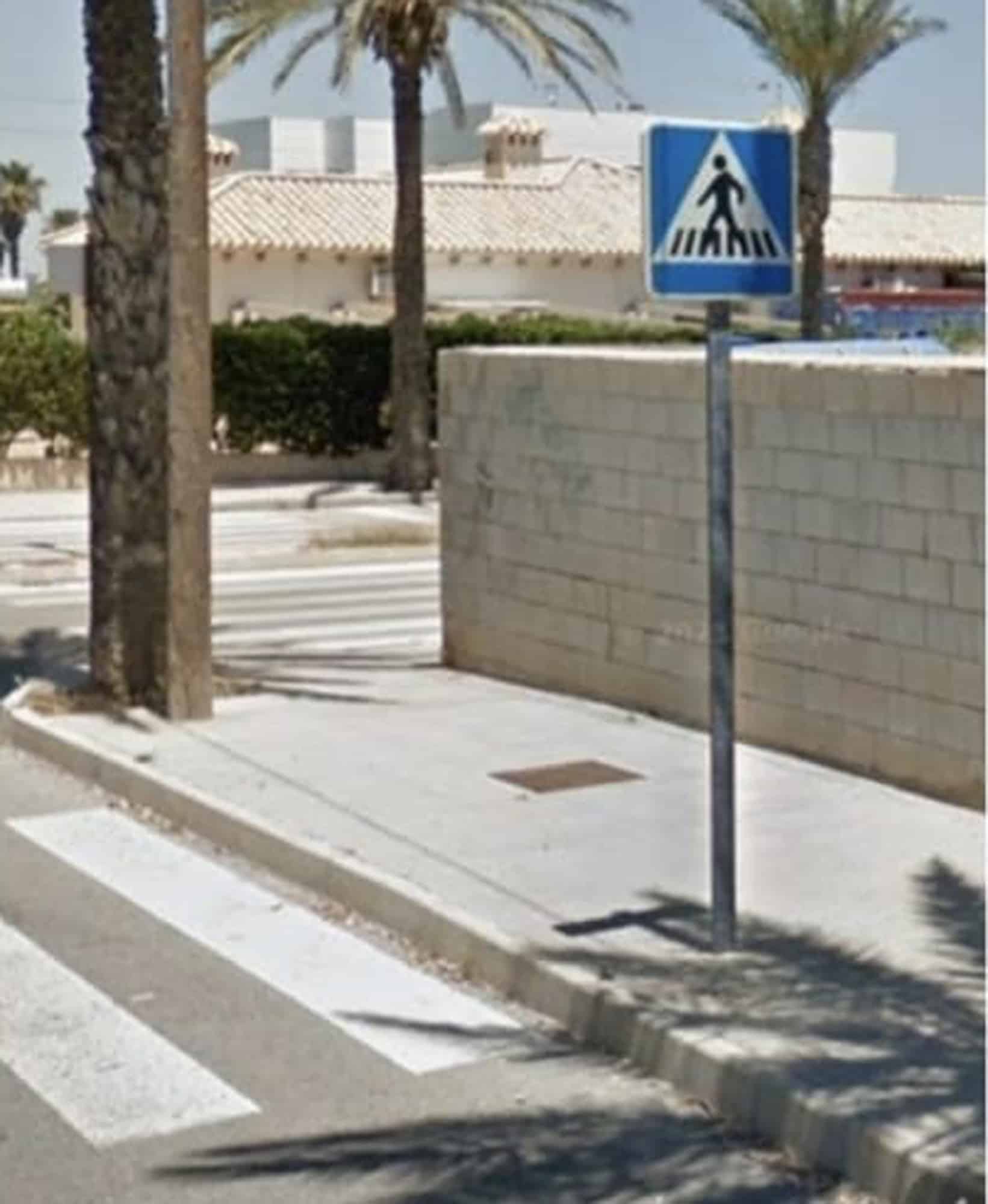
One of the primary criticisms related to pedestrian crossings, all of which should have dropped kerbs to ensure safe and equal access for everyone. Dropped kerbs are essential for people with disabilities, wheelchair users, those with limited mobility, the elderly, parents with prams, and anyone using walking aids. Without them, crossings become physical barriers that increase the risk of falls and accidents and exclude vulnerable users from moving independently.
Providing dropped kerbs is a simple, low-cost measure that promotes inclusivity, improves road safety, and helps create age-friendly and accessible public spaces for the whole community.
Adding to the frustration is the lack of meaningful consultation. Disabled residents and advocacy groups say their voices are rarely included at the planning stage, and when concerns are raised, they are frequently dismissed as minor or unavoidable inconveniences. This reactive approach, they argue, reinforces a culture in which disabled people are expected to adapt to the city, rather than the city adapting to them.
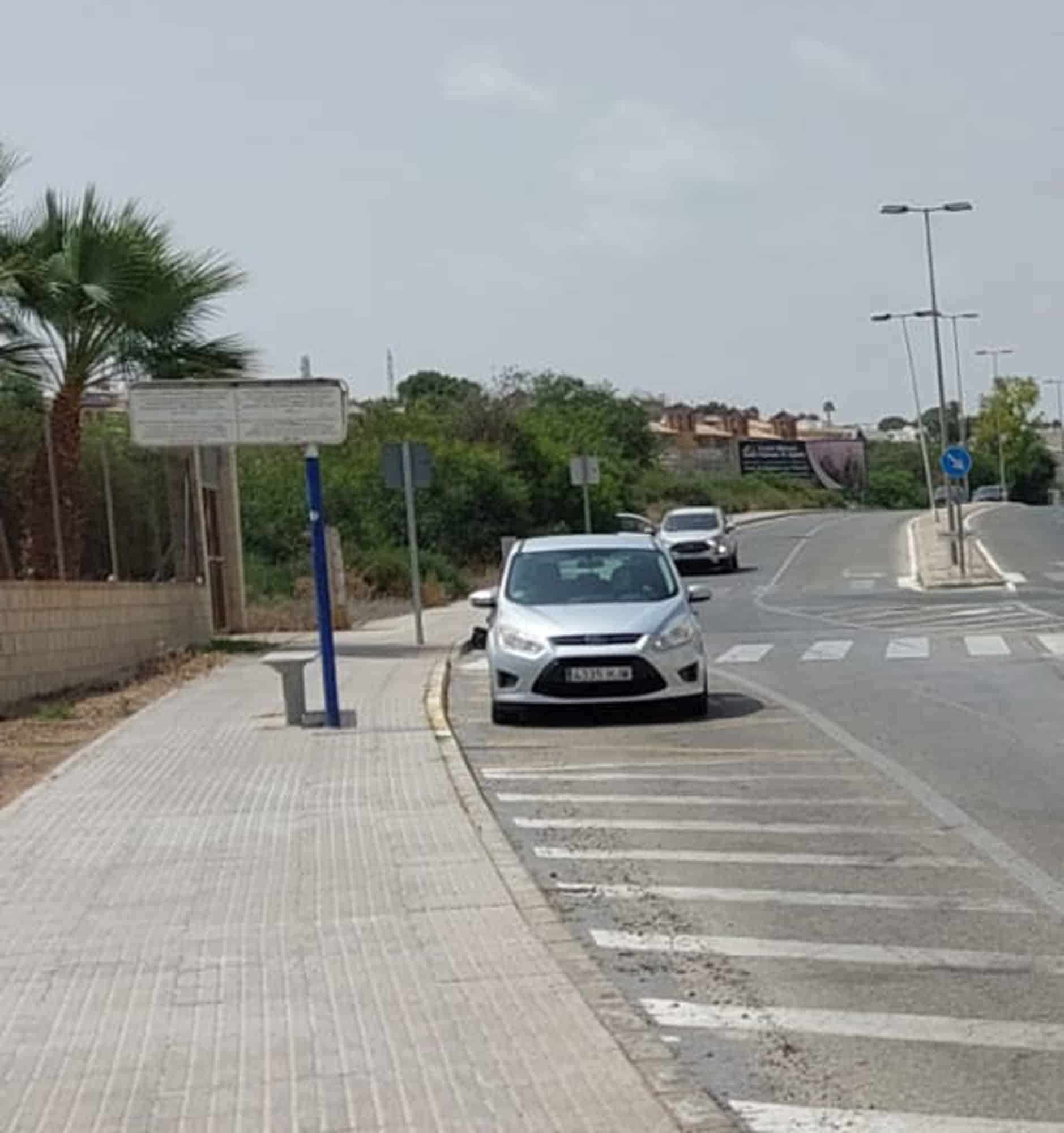
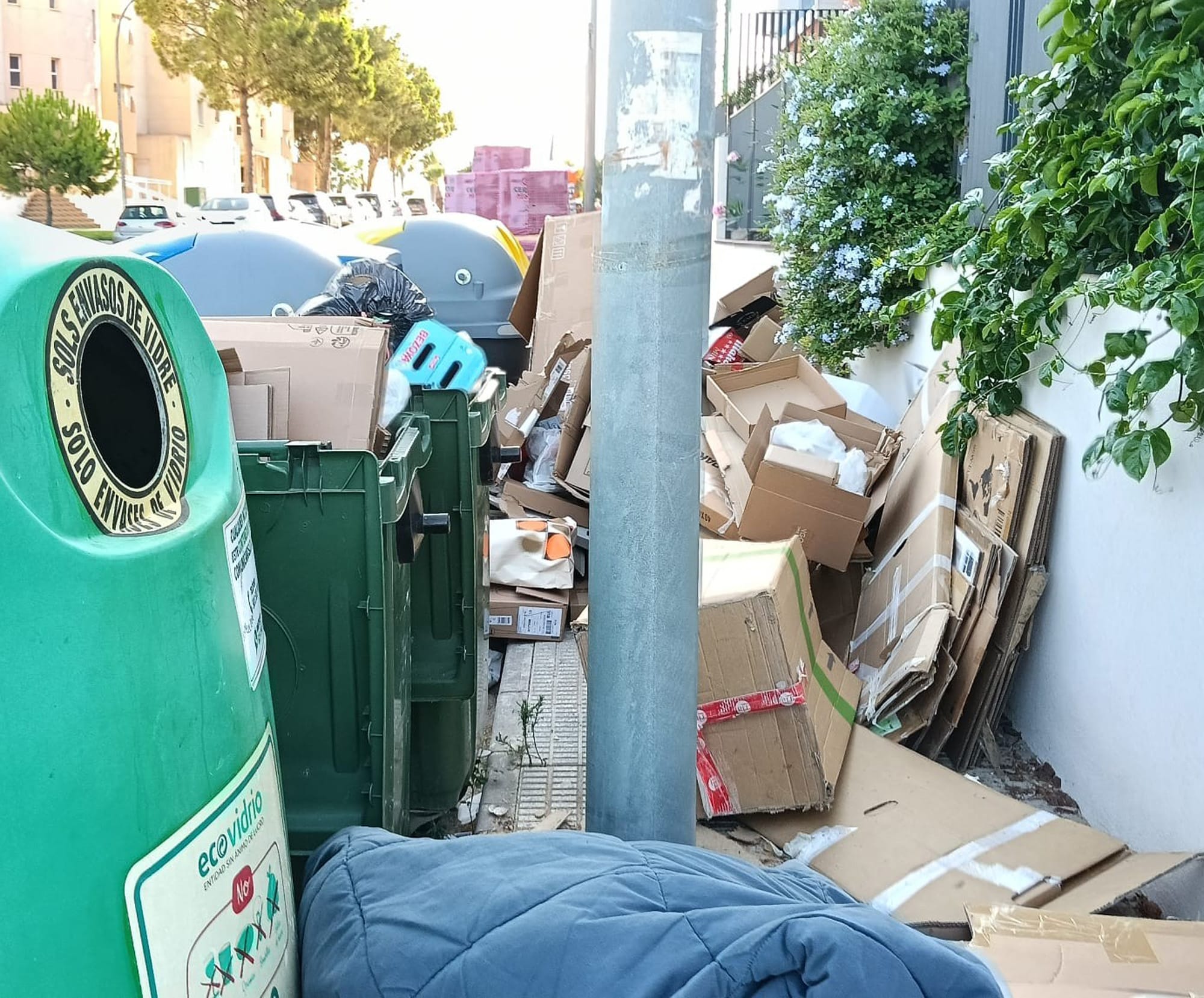
These concerns are echoed by the association Orihuela Sin Barreras, which has repeatedly denounced what it describes as a “permanent” practice by municipal services of placing fences, no-parking signs and other council materials directly on pavements. According to the group, such obstructions seriously restrict accessibility and persist despite repeated appeals to municipal officials for greater care and empathy.
The association warns that the issue goes beyond inconvenience and constitutes a real safety risk. Wheelchair users and people using crutches are often forced to travel along the roads themselves or the very edge of the pavement, with the danger of slipping into traffic, while older residents and those with visual impairments face an increased risk of tripping and falling. Faced with continued inaction, Orihuela Sin Barreras has urged members of the public to report and photograph accessibility problems so they can be publicly denounced.
Among its most recent complaints, the group highlighted that the only designated disabled parking space on Calle Loazes—one of the city’s main streets—was blocked by construction skips, effectively rendering it unusable.
At street level, these failings translate into loss of independence, heightened risk and social exclusion. Campaigners insist that without a clear shift in priorities—one that places accessibility at the centre of urban planning and daily municipal practice—Orihuela will continue to be a city full of barriers for many of its own residents, rather than a space that enables equal participation in public life.