Torrevieja is seeking a Protected Geographical Indication (PGI) from the European Union for its traditional salt-making crafts, a unique cultural heritage tied to the town’s historic salt flats. While PGIs have long recognized food products, the EU recently extended the scheme to non-food artisanal goods, allowing makers to showcase their regional origin and protect their work across Europe.
The City Council has engaged the specialized law firm Berenguer y Pomares to manage the application, including legal advice, technical documentation, and formal submission. The process, now in its early stages, awaits validation by the Valencian Regional Government before EU submission. The initiative originated from local intellectual property lawyer Daniela Morales.
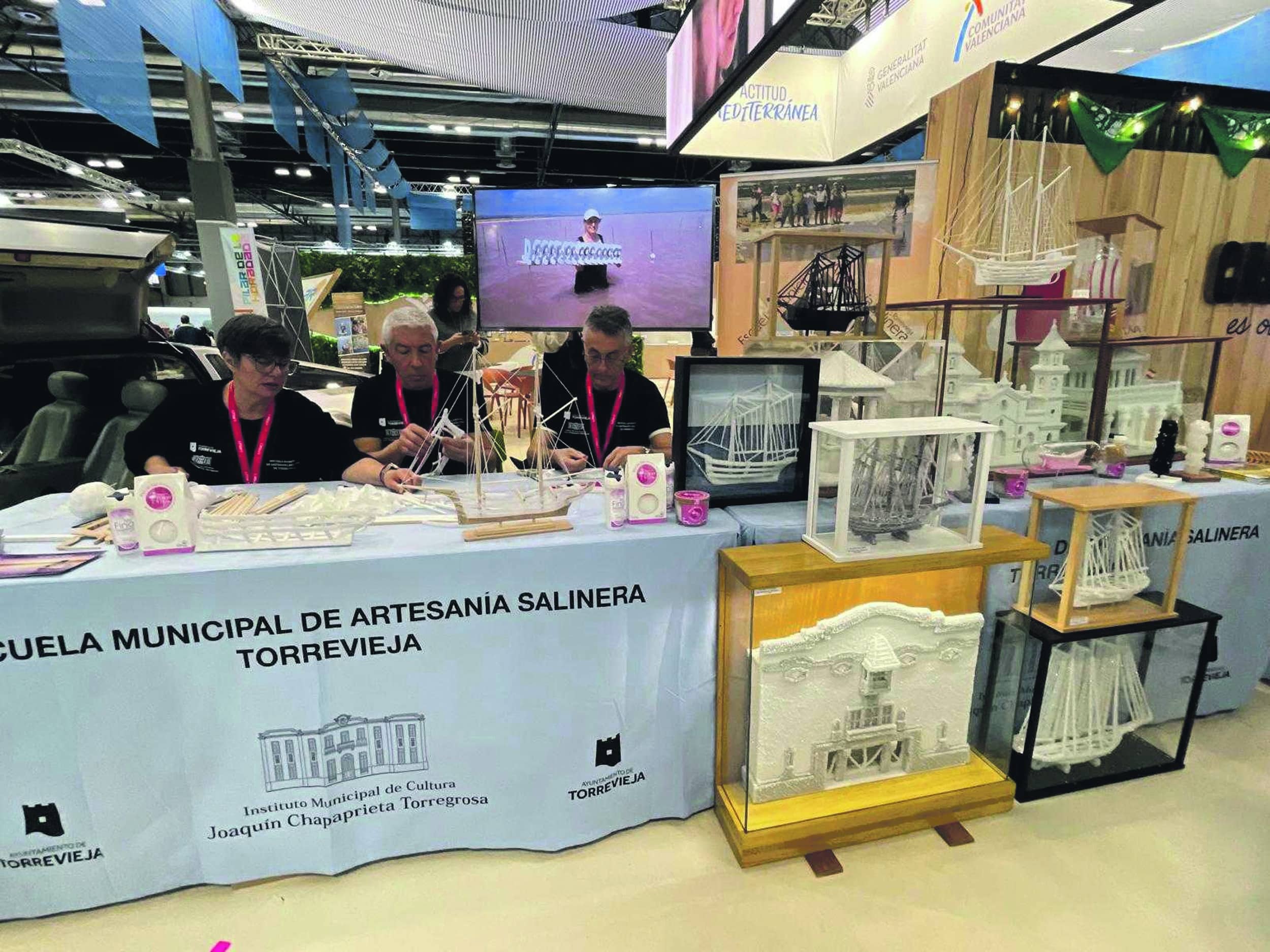
Torrevieja’s salt-making craft involves creating decorative objects—often nautical-themed—that are submerged in the salt lagoon under precise conditions of salinity, temperature, and wind. Over several days, salt crystallizes onto the models, forming the intricate white structures prized by collectors and tourists alike.
The tradition dates back to the late 19th century and was historically practiced by salt workers supplementing their income. Today, only two retired artisans, Miguel Pérez and Manuel Sala, maintain the original techniques, while workshops at the Municipal School of Salt Crafts and local schools introduce students to the craft.
The PGI designation would enhance marketing, protect against counterfeiting, and preserve traditional techniques. It complements the City Council’s request to classify the craft as an Asset of Cultural Interest, potentially creating paid artisan roles and granting students full access to the salt flats for hands-on training.
Collaborations with the Ars Creatio Cultural Association and the University of Alicante, including the short film Salt Artisans, aim to further research and publicize this one-of-a-kind heritage, ensuring Torrevieja’s salt-making tradition thrives for generations to come.