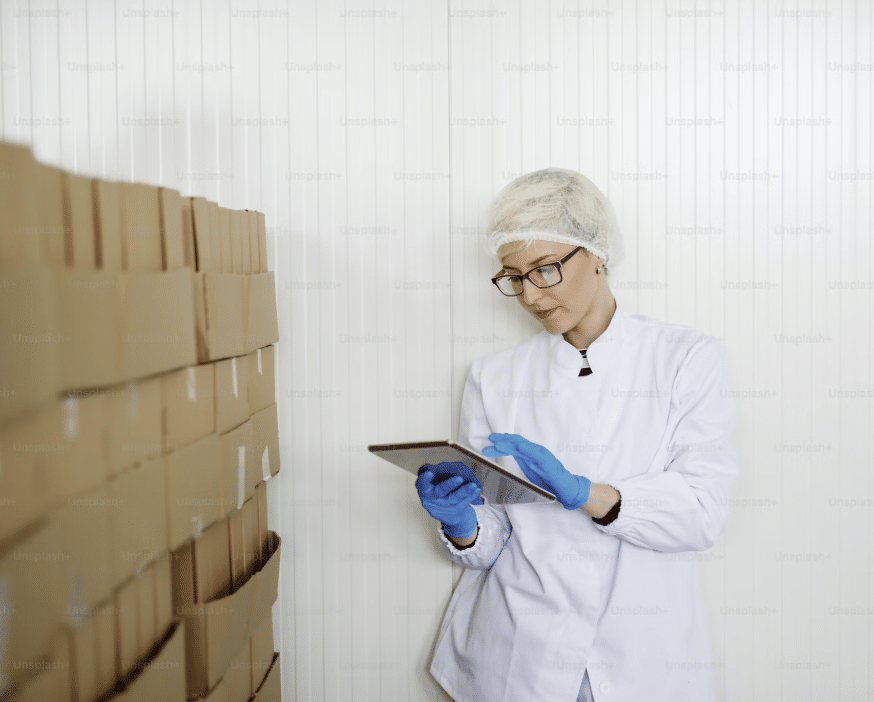
Food grown in one part of the country can be enjoyed anywhere within the country when logistics are done right. Delivery is a vital part of getting food from the farm to the table, and modern logistics is incredibly efficient. Today, food delivery uses tech and other tools to help ensure the food is delivered as quickly as possible, so it stays fresh from the time it leaves the farm to the time it’s cooked and enjoyed.
The Food Logistics Chain
Modern food and beverage shippers go through a few steps to get food from the farm to the table. Some of the basic components in food logistics today include the following.
- Farm and Production – Food is harvested, packed, and placed into cold storage to prevent spoilage. Logistics begins here and must start to move the food quickly to keep it as fresh as possible.
- Cold Chain Transportation – Refrigerated trucks and storage units move the food, helping to keep the food at a consistent temperature. Tech is used to help track the conditions to minimize potential issues.
- Warehousing and Distribution – Foods and beverages are stored in warehouses strategically placed to help reduce delivery times.
- Last-Mile Delivery – The final step is the last-mile delivery, where food goes from warehouses to grocery stores, restaurants, or homes. This is the most complex part of the process.
Tech Used for Food Logistics
Tech is increasingly being used for modern food delivery to help with tracking the food, delivering everything more efficiently, and even forecasting demand. This helps to optimize routes and reduce waste, which can lead to more efficient processes in the long run. Logistics companies employ a lot of different techniques to work on moving the food faster while continuing to reduce costs and help to combat the challenges they face.
Challenges of Logistics for Food Delivery
Though the modern food delivery process has become more efficient and better able to handle the needs throughout the country, it is susceptible to many challenges. Global events like the pandemic caused supply chain disruptions, changing the logistics of food delivery going forward. Other potential challenges include labor shortages, trying to be more sustainable without reducing efficiency, and compliance with food safety regulations. Working with a reliable logistics company is one way to help minimize the potential challenges that can occur during modern food delivery.
Benefits of Efficient Food Logistics
Why does all of this matter? Modern food delivery helps to ensure the products obtained by consumers are as fresh as possible and of the highest quality. They help to make seasonal items available year-round and can help to allow for exotic items to be distributed throughout the country. They also make obtaining food and beverages as convenient as possible for consumers and businesses. All of this is done to help make sure the food gets from the farm to the table efficiently and quickly.
It takes a lot to get food from the farm to the table, but modern logistics helps to make this process as efficient as possible. Farmers and others involved in creating the food enjoyed today will want to work with a logistics company to make sure their process is streamlined and efficient, so customers throughout the country can enjoy their food. Look into logistics companies today to learn more about how they can help with modern food delivery.