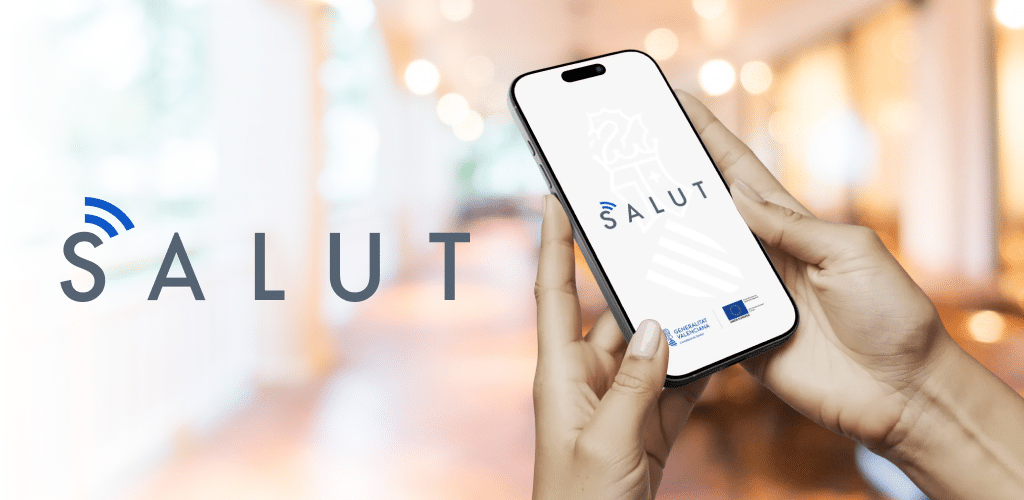
The Valencian regional health department has reversed a key feature of its recently overhauled GVA+ Salut mobile application, reintroducing the popular four-digit PIN login following widespread user complaints.
The app, which allows residents to book medical appointments and track prescriptions, underwent its most significant update earlier this month. The redesign included a shift to a blue interface in line with the Generalitat Valenciana’s new corporate image. However, despite the visual refresh and added functionality, the update quickly drew criticism for making access more complicated.
Users had been forced to log in using biometric methods such as fingerprint or facial recognition, or request a one-time SMS code—an option many found cumbersome. In response to mounting frustration voiced on social media, in pharmacies, and at health centres, the Conselleria de Sanitat has now reinstated the simpler PIN-based login on the app’s home screen.
The department has also introduced a user guide to help residents navigate the revamped system—an addition welcomed by healthcare staff who had been fielding a surge of queries following the abrupt changes.
Another key improvement concerns the Virtual SIP card feature. Previously, accessing this function required a high level of identity verification, including a digital certificate installed on the user’s device—something only a small proportion of the population possesses. The process has now been streamlined, making the virtual health card far more accessible.
However, some limitations remain. Users are still unable to manage profiles for minors, even their own children, due to strict data protection rules concerning underage patients.
According to Bernardo Valdivieso, the regional secretary for Planning, Information and Digital Transformation, the updated app has already been downloaded or upgraded by 1.2 million people—more than 70% of active users—within just 20 days of its launch.
“This level of adoption reflects the app’s growing integration into everyday use within the public healthcare system,” Valdivieso said, describing the rollout as both “stable and large-scale.”
While welcoming the return of the PIN login and the introduction of the user guide, officials continue to recommend biometric access methods, citing enhanced security and compatibility with more advanced digital services.
Valdivieso concluded that the app represents “a stable and wide-reaching deployment of digital services,” adding that the system will continue evolving to balance ease of access with increasingly robust security requirements.