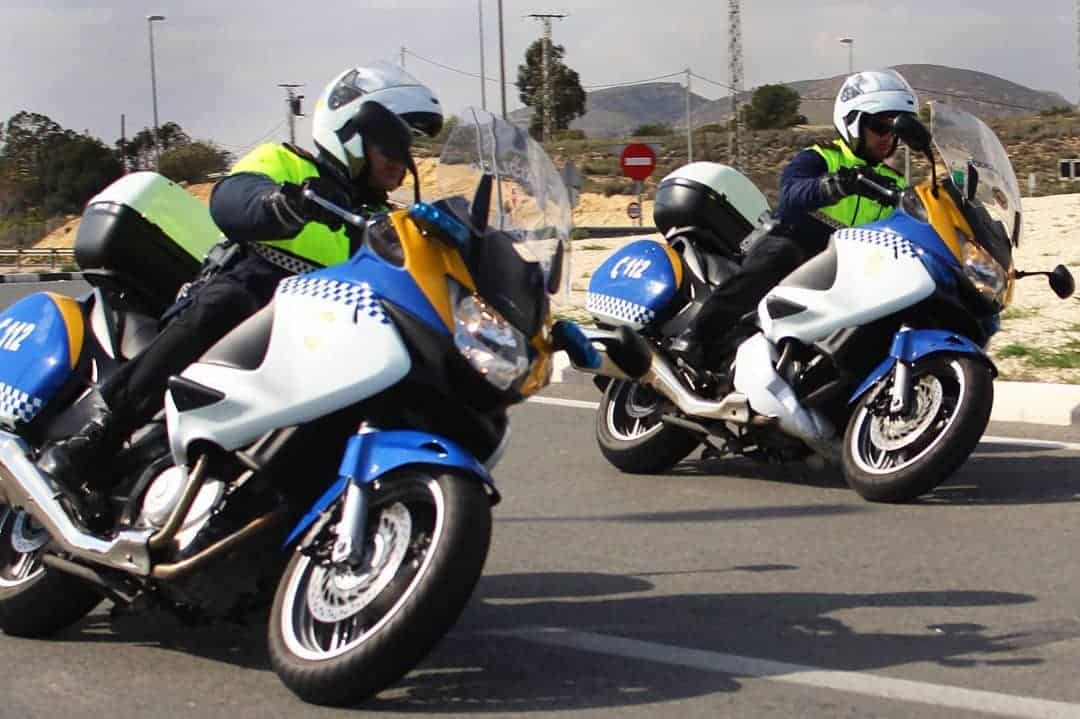
The City Council of Torrevieja has approved a €160,000 investment for the acquisition of ten scooters to equip its first Mobility Agent Corps, scheduled to be operational by early 2026. These agents will specialize exclusively in traffic regulation and enforcement, easing the workload of the Local Police.
The contract, valued at €159,999 for a fixed four-year term, covers the lease of ten emergency-equipped motorcycles, along with full maintenance, repair, and insurance services. Since the 20 agents will work in rotating shifts, ten vehicles will suffice. Recruitment bases are expected before the end of 2025, with the service operational in the first quarter of 2026.
This initiative follows the May 2025 decision to create 21 new mobility positions, filling a gap in Torrevieja’s security structure. Unlike Local Police officers, these agents require a lower entry threshold (ESO, A2 and B driving licenses, physical fitness, and no criminal record) and will be classified under the C2 civil service category, with reduced pay.
The new corps will fall under the Local Police’s organizational framework but will be restricted to traffic-related duties: regulating flow, managing school access, monitoring loading/unloading zones, supervising bus/taxi lanes, and enforcing parking rules. They will have authority to issue fines but not to conduct arrests or handle criminal cases.
By focusing exclusively on traffic, the agents will free up the Local Police’s 180 officers—reached only recently after years of staffing challenges—for higher-security tasks such as crime prevention, collaboration with the Guardia Civil, and accident investigations.
As a city of “large population” since 2006, Torrevieja is legally entitled to establish such a corps. Following models already in place across Spain, these unarmed, non-police agents will reinforce daily security, especially during peak school traffic, where congestion poses significant risks.
In short: the Mobility Agent Corps will strengthen Torrevieja’s security framework by improving traffic management, reducing pressure on the Local Police, and ensuring safer, more efficient urban mobility.