- Wildfire Near Las Ramblas May Open Door to Construction on Previously Protected Land
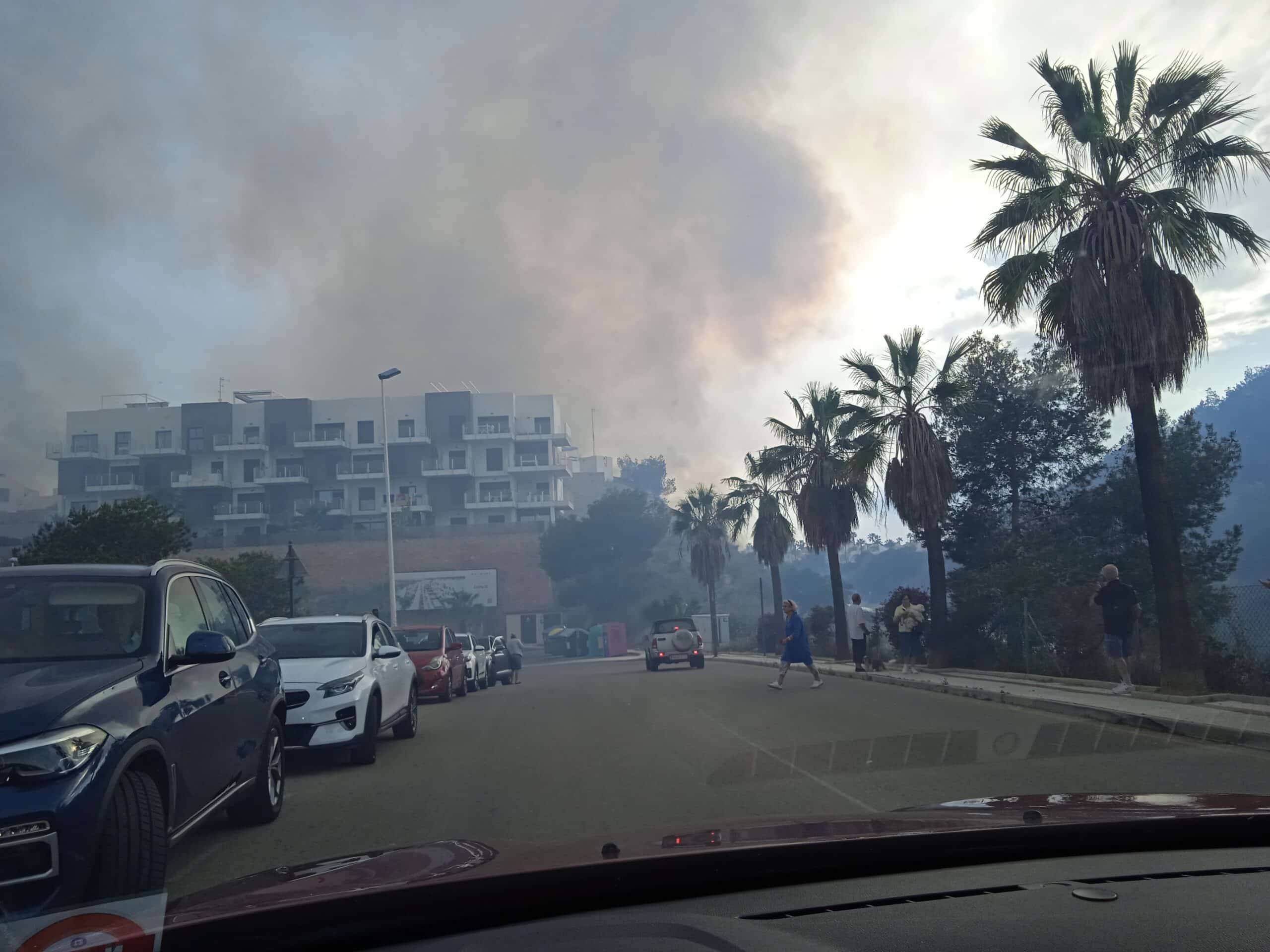
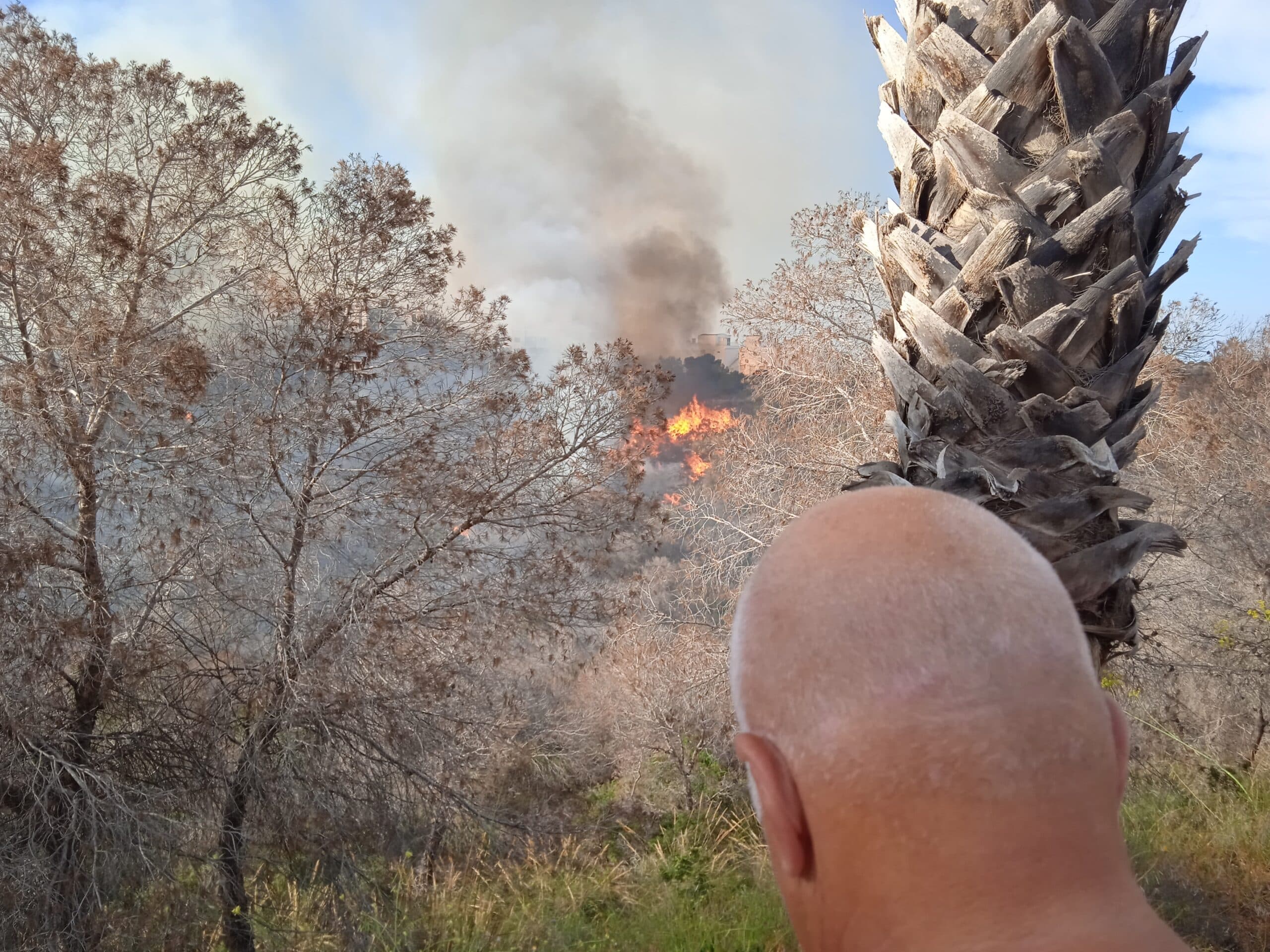
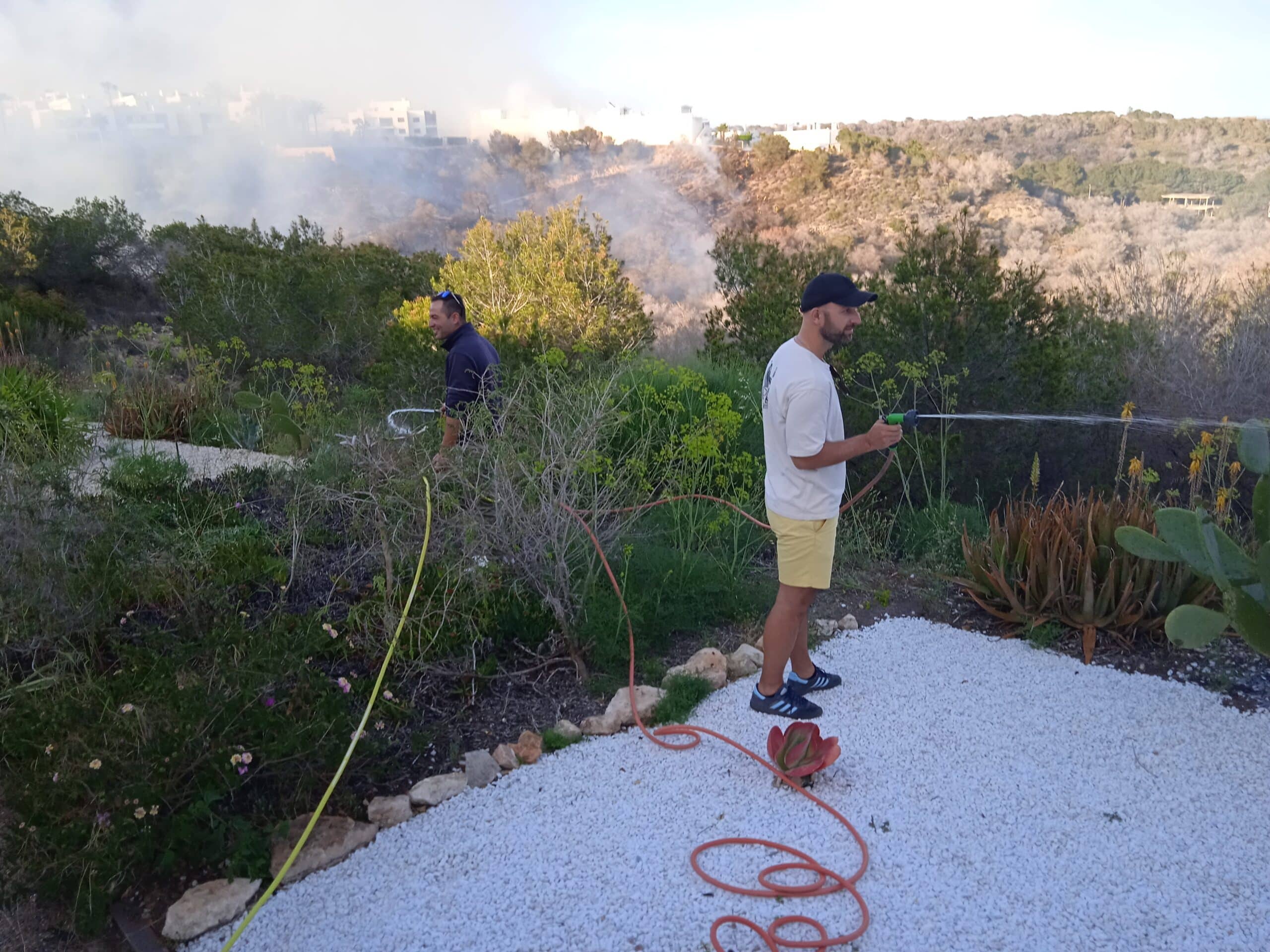
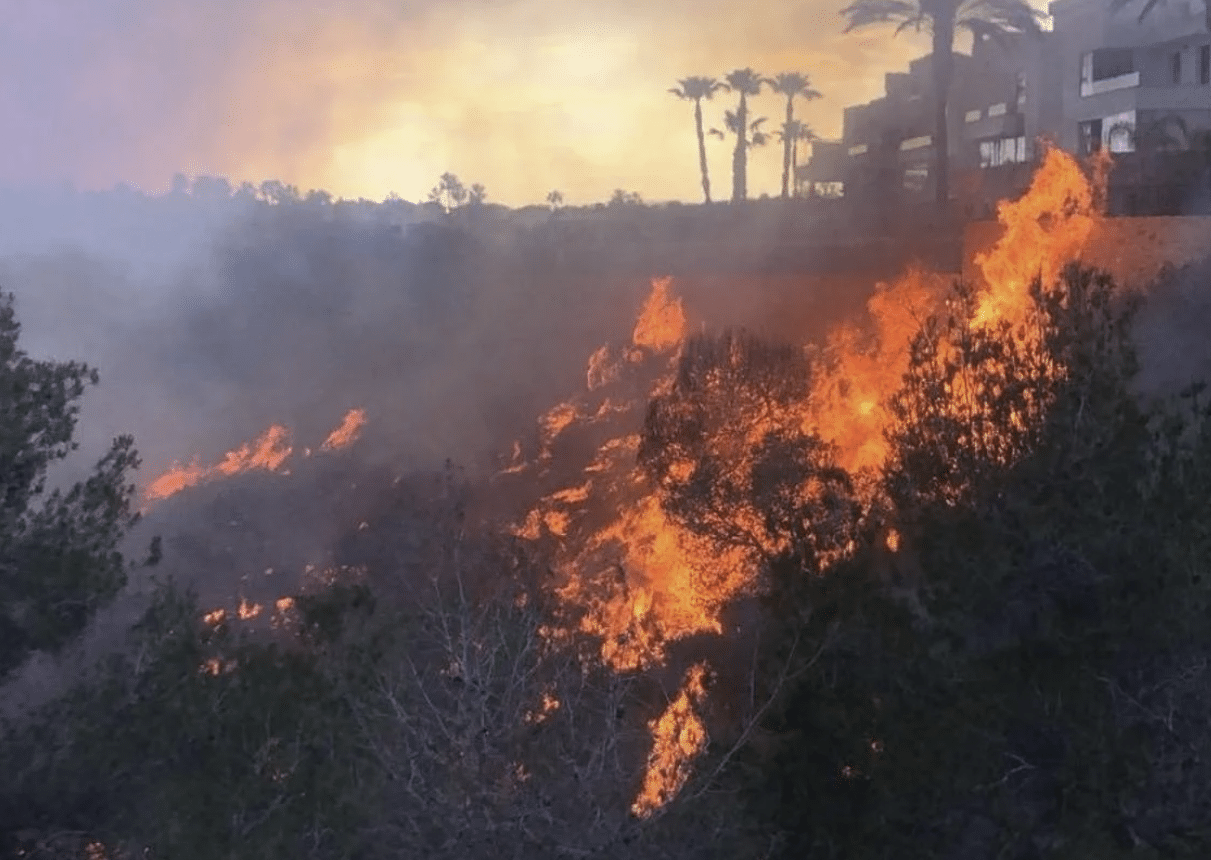
A fast-moving wildfire erupted Sunday evening in the Las Ramblas area of Orihuela Costa, prompting the evacuation of 50 residents and reigniting controversy over the potential rezoning of forest land for future urban development.
The fire broke out around 6:00 p.m. near the Tajo-Segura water canal, in an area previously considered a green buffer zone. Although the flames were eventually stabilized by nightfall, the incident left behind more than scorched earth—it exposed lingering concerns over land use, speculation, and environmental policy.
Authorities quickly activated Level 1 of the Special Plan for Forest Fires (PEIF), as the blaze encroached dangerously close to several residential developments. The fire originated in a wooded section, where drought and high temperatures had left vegetation dry and highly flammable.
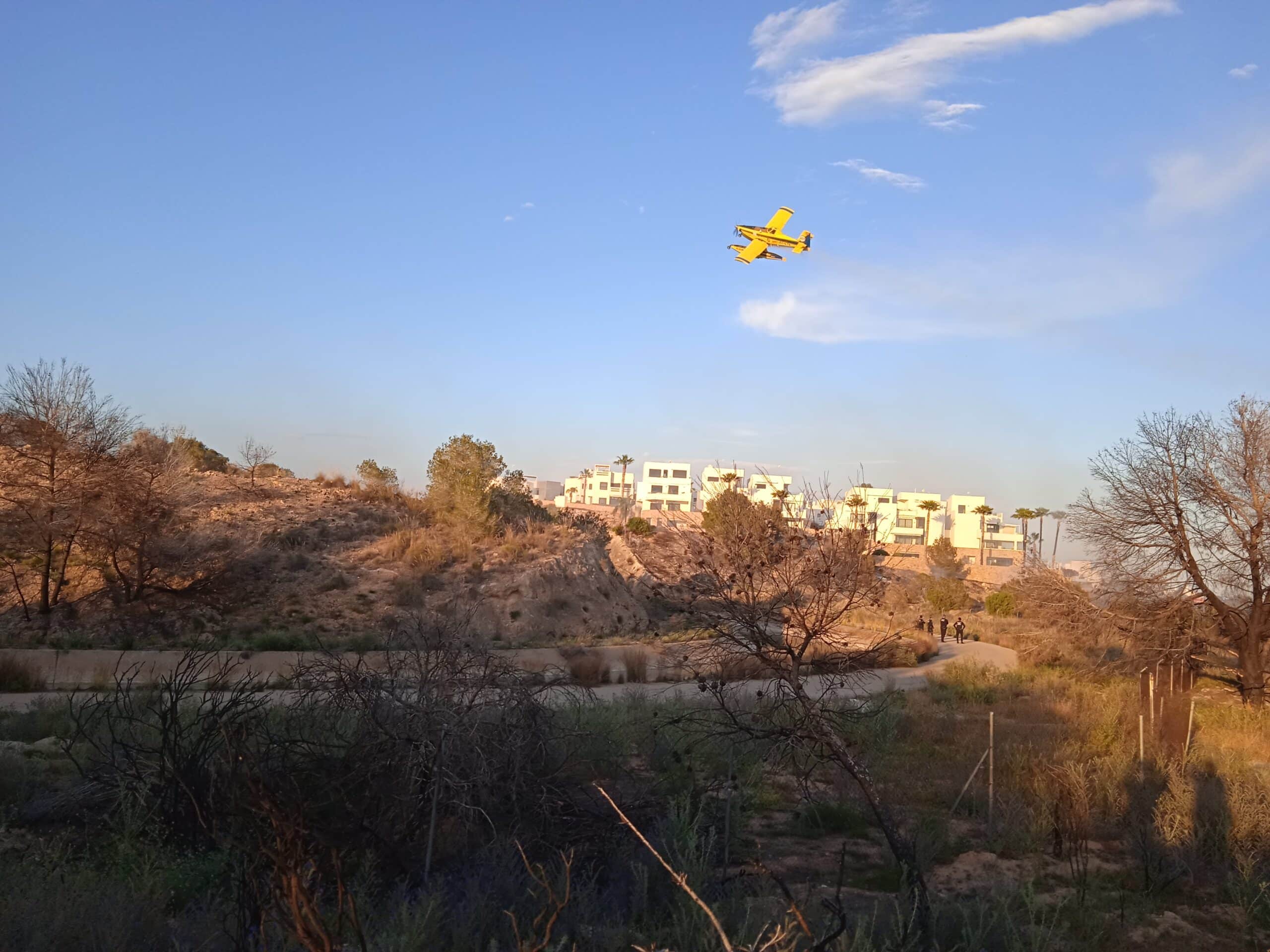
While no injuries or structural damage were reported, the threat was severe enough to mobilize air support and fire crews from Torrevieja and Almoradí, as well as Civil Protection and Red Cross teams, which prepared emergency shelter facilities in case the situation worsened.
The 50 evacuees came from the Loira residential community, one of the urbanizations bordering the forested zone. As residents watched helicopters dump water and emergency vehicles swarm the area, questions began to circulate—not only about the cause of the fire, which remains under investigation, but about what might follow in its wake.

While officials have not ruled out natural causes such as a discarded cigarette or spontaneous combustion due to extreme heat, some residents and environmental groups point to a more troubling possibility: that the fire could pave the way for future construction.
Orihuela Costa has long been a flashpoint in debates over real estate expansion and the conversion of forested or protected land into buildable plots. Fires, they argue, sometimes serve as a precursor to administrative reclassifications that rezone formerly protected natural areas into urban land, especially in regions with strong development pressures.
Local sources note that the area affected by Sunday’s fire, though technically non-urban, has long been under scrutiny for its potential value to developers. “This was, for all practical purposes, forest land,” said one local conservationist, “but fires like this one often change how land is classified. What burns today might be built on tomorrow.”
Just 12 months ago in June 2024 a significant wildfire broke out between the Las Ramblas and Campoamor golf courses, approximately 2–3 kilometers from Villamartin.
The blaze ignited near the Tajo-Segura water transfer canal and rapidly swept through dry scrubland and pine forest, fueled by strong easterly winds and high temperatures. It posed a serious threat to nearby residential areas, advancing to within 150 meters of homes and consuming over 10 hectares of protected land in the Sierra Escalona and Dehesa de Campoamor region.
The situation in Orihuela Costa is not unique. Across Spain, wildfires have increasingly become entangled in the politics of land use. In some cases, fires are later followed by land reclassification and development permits—a pattern that has led to calls for stricter post-fire zoning laws. Environmentalists argue that unless burned land is protected by law from future construction, the risk of deliberate or conveniently timed fires cannot be dismissed outright.
For now, authorities say they are focused on cleanup, assessment, and ensuring that displaced residents can return safely. But the broader questions—about prevention, protection, and planning—are likely to persist long after the last ember is extinguished.