The Orihuela City Council has begun a new phase of cleaning and maintenance works on urban waterways along its coastal areas. The initiative forms part of a broader strategy to restore drainage capacity, prevent flooding, and improve the environmental and visual quality of these natural channels.
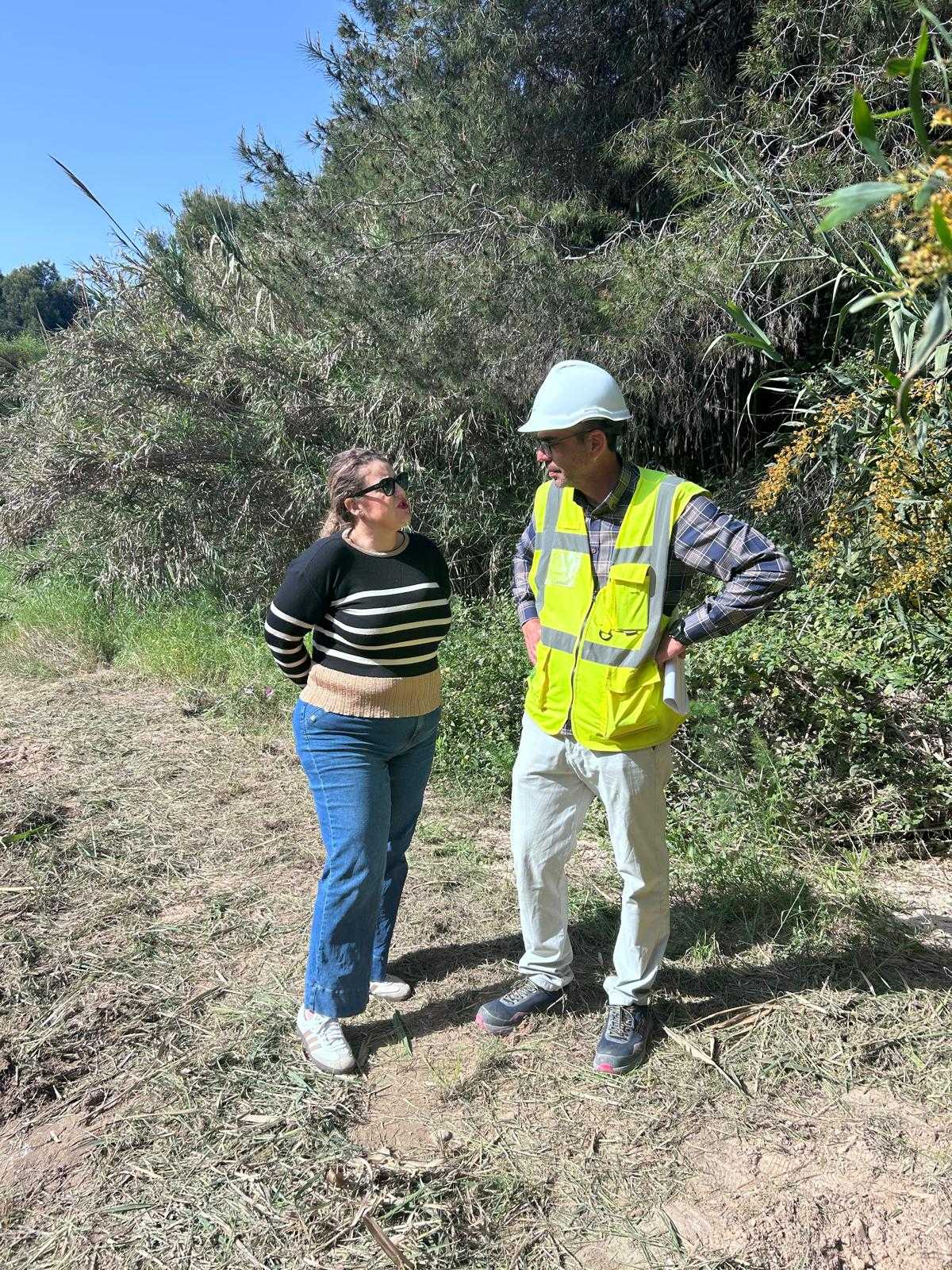
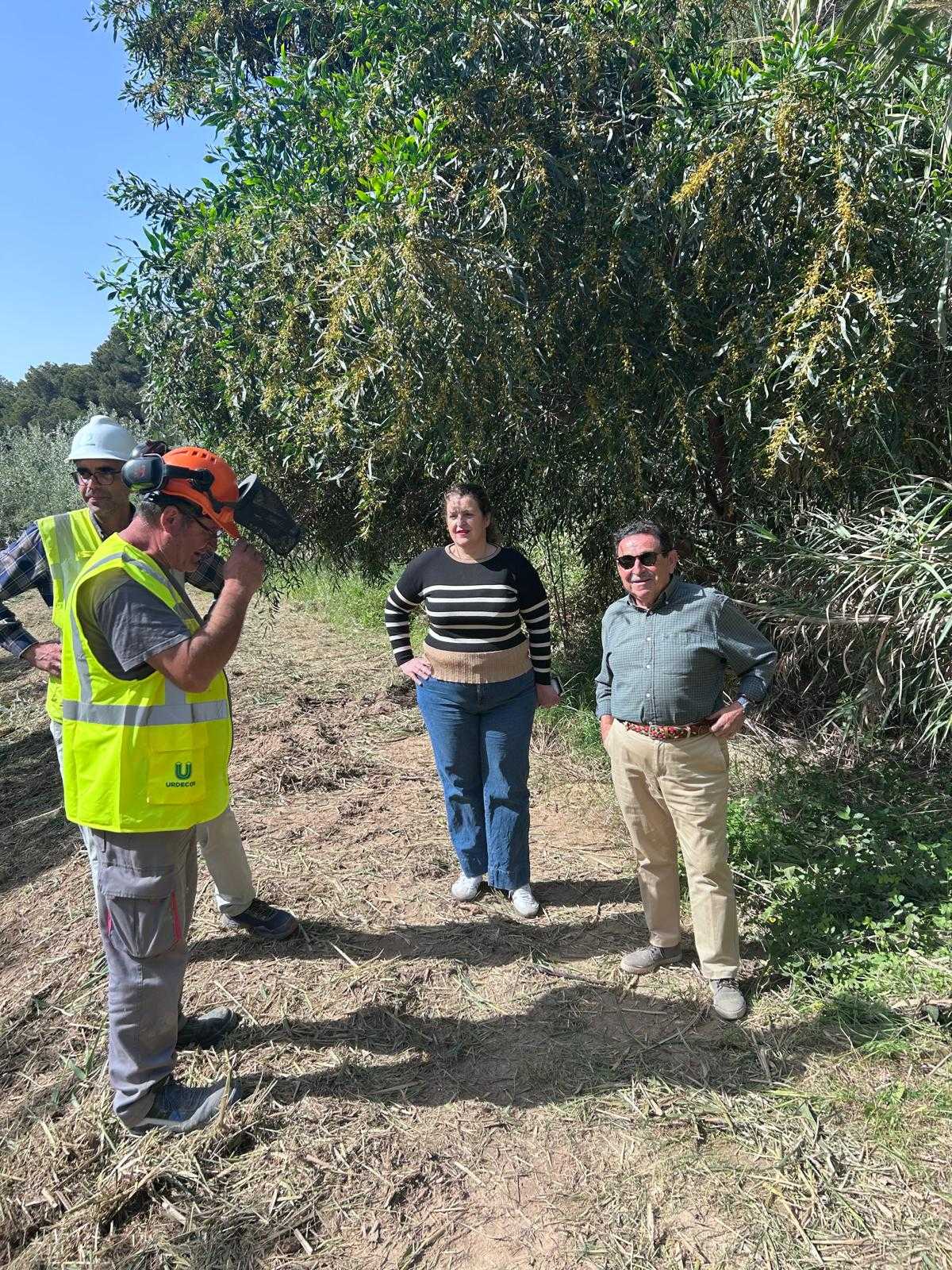
The Councillor for the Environment, Noelia Grao, accompanied by the Councillor for the Coast, Manuel Mestre, visited one of the sites where work is already underway to oversee progress. These actions follow a formal request submitted by the City Council to the Segura River Basin Authority.
The works build on earlier interventions carried out in the town centre and now extend to coastal sections, which are considered particularly vulnerable during periods of heavy rainfall.
Current operations focus on three key waterways essential for stormwater drainage in the coastal zone: Río Nacimiento, Rambla de las Estacas, and Barranco Rubio.
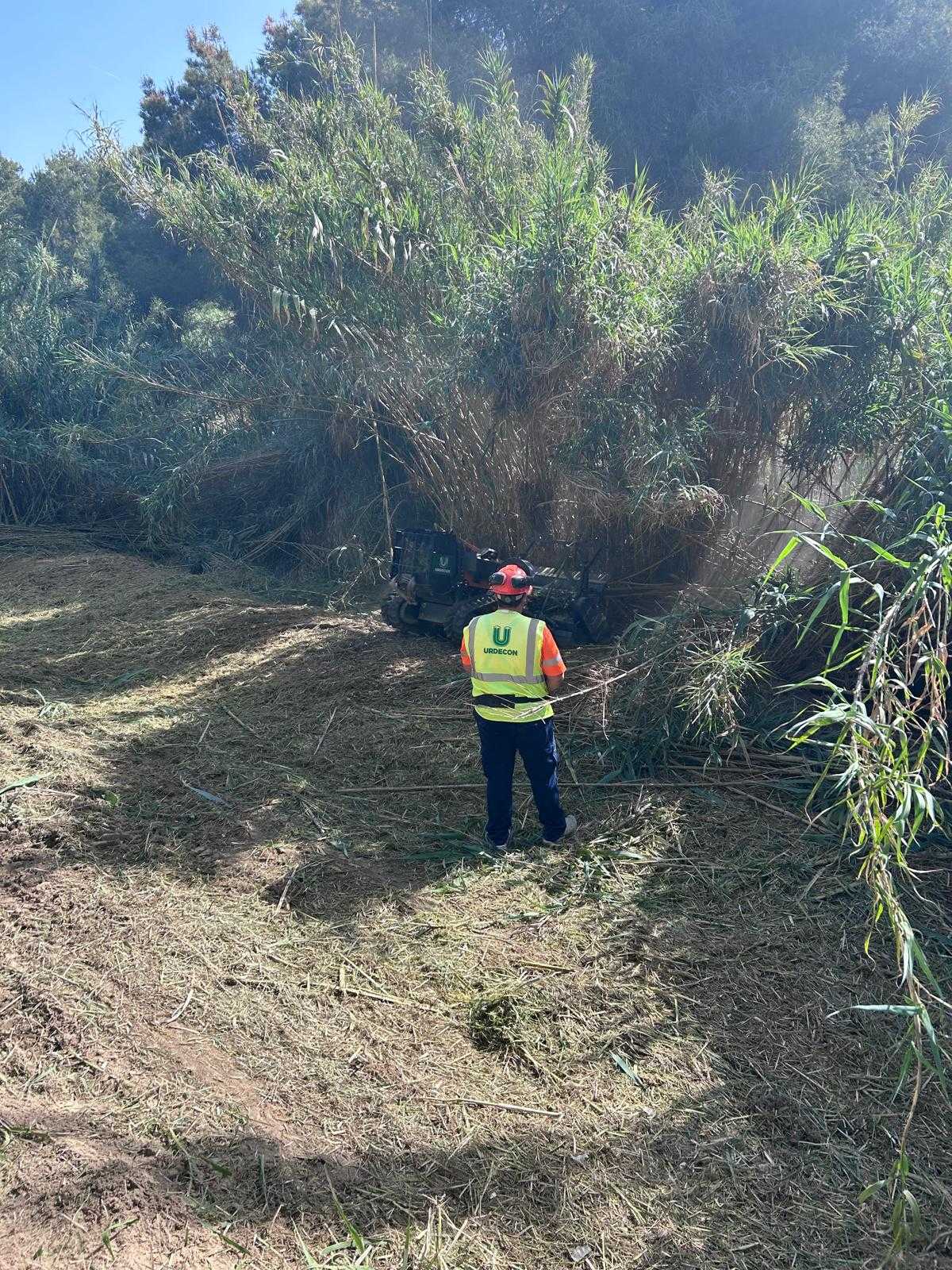
In the Río Nacimiento, located in the Campoamor area, authorities have identified a significant spread of invasive vegetation, along with the accumulation of sediment, plant debris, and urban waste. These factors reduce the channel’s drainage capacity and increase the risk of flooding during heavy rains. Work here includes mechanical clearing, channel cleaning, and the removal and proper disposal of waste.
At Rambla de las Estacas—one of the main drainage channels in the southern part of the municipality—efforts are focused on removing dense vegetation and accumulated materials that have narrowed the watercourse and heightened the risk of blockages.
Meanwhile, in Barranco Rubio, also in Campoamor, crews are clearing built-up vegetation and debris that obstruct water flow, with the aim of restoring functionality and minimising overflow risks.
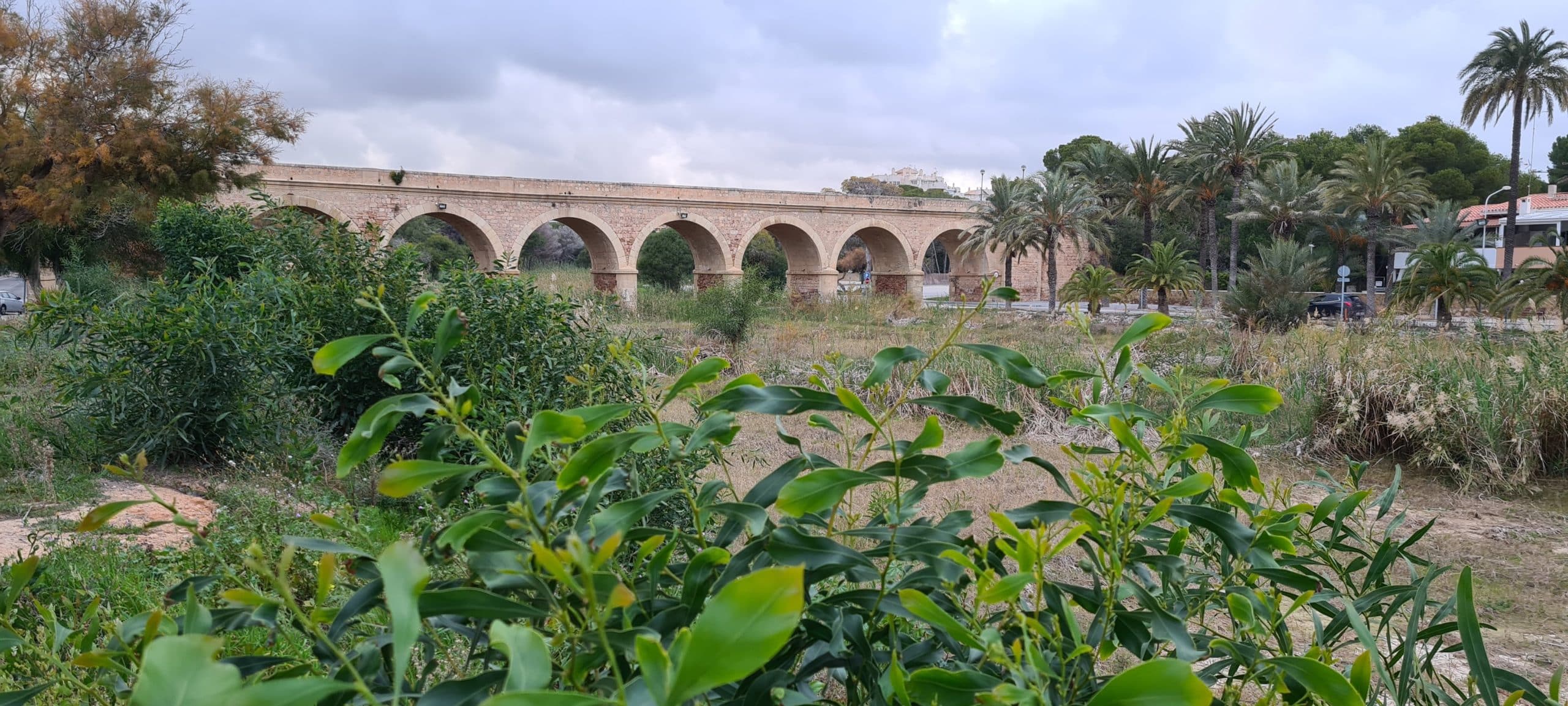
These interventions complement previous works carried out inland, including clean-up and maintenance efforts in several channels. Notably, improvements were made in the Norias Gemelas area, where invasive vegetation was removed and the channel cleared, enhancing both hydraulic performance and the conservation of this historically and environmentally significant site. Additional works have also taken place in the Sanes, Los Muertos, Los Calderones, and Bonanza ravines.
The current programme focuses on restoring drainage capacity through selective and mechanical vegetation clearance, removal of sediment and plant debris, manual and mechanical cleaning of channels, and the responsible management of waste at authorised facilities. All work is being carried out with respect for native riverside vegetation and with measures in place to minimise environmental impact.
Officials note that the build-up of vegetation and waste in waterways significantly reduces their capacity to carry water and increases the likelihood of flooding, particularly near residential areas. As such, these actions are strongly preventive in nature, aimed at mitigating potential risks and improving safety across the municipality.
The project is being implemented under a cooperation agreement between the Segura River Basin Authority and Orihuela City Council, with the Council contributing 60% of the funding.
Councillor Noelia Grao described the initiative as “a key action to improve both the safety and condition of the municipality’s waterways,” adding that “these works allow us to anticipate potential problems and ensure a more effective response during periods of heavy rainfall.”