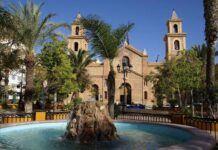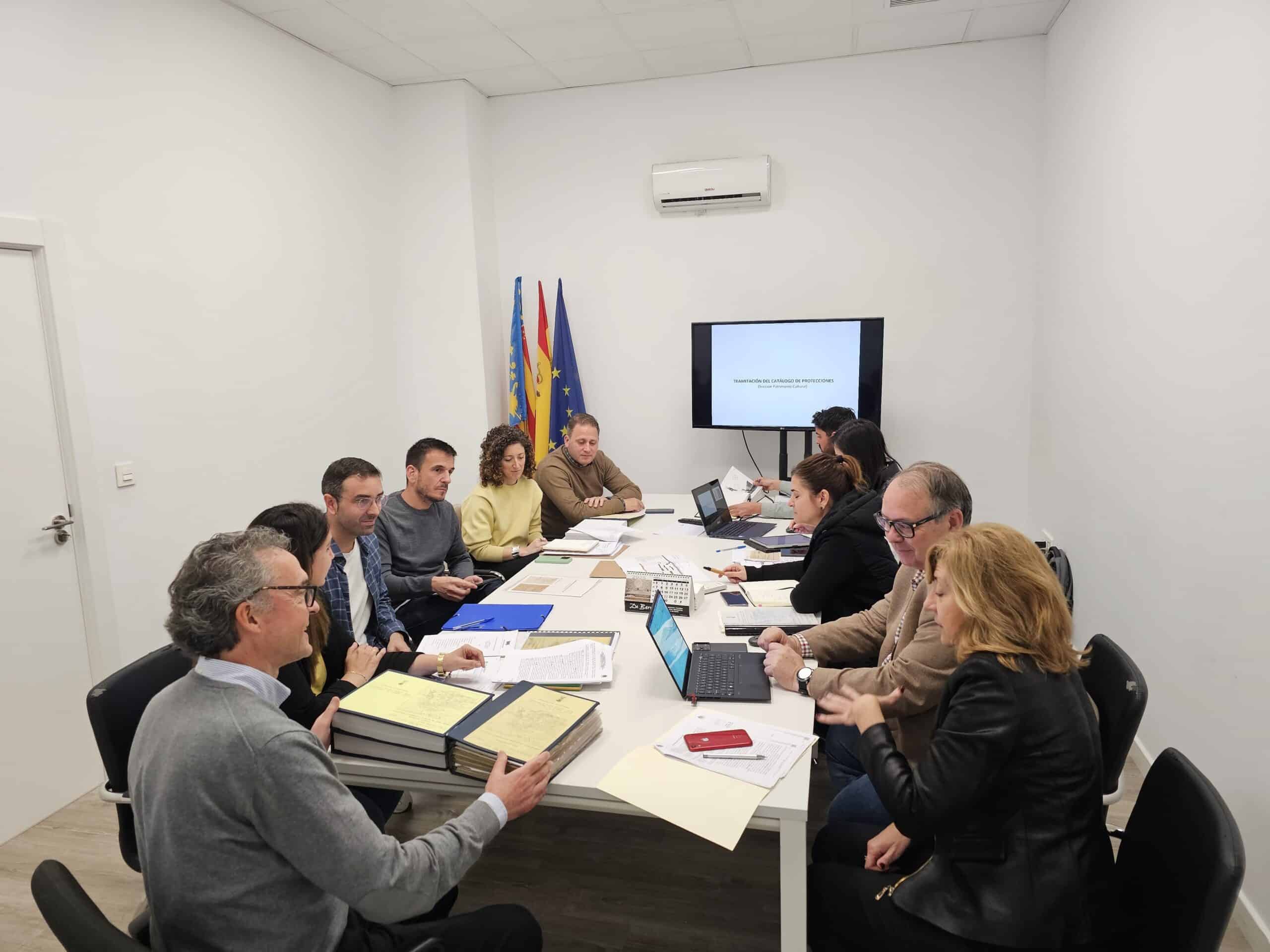
The Orihuela Council has begun work on the review of the Catalog of Protected Assets and Spaces in the municipal area, a key document for the protection of cultural heritage and urban planning in the town.
This catalog is part of the General Urban Planning Plan and serves as the technical tool that identifies, describes, and protects the elements of Orihuela’s architectural, archaeological, ethnological, landscape, and environmental heritage.
The current catalog was approved in 1991, meaning its contents have become outdated both from a technical and regulatory standpoint. In the more than 30 years since then, there have been significant changes in the legal framework, such as the implementation of the Valencian Cultural Heritage Law, as well as a growing awareness of the importance of protecting the landscape, intangible heritage, and rural areas. These factors necessitate a comprehensive update to the document.
Furthermore, urban growth, the evolution of population centres, the emergence of new heritage values, and the need for more effective integration between conservation and development make this review essential.
It will provide the town with a modern, coherent, and adapted tool to meet current challenges. Following the formalization of the contract with the drafting team Amorós Rubiato Navarro Arquitectos S.C.P., after successfully completing the tender process, the first technical working meetings have already begun, marking the start of this new phase in the protection of Orihuela’s heritage.
The Councillor for Urban Planning, Matías Ruiz, emphasized that this process “is not just a legal obligation, but an opportunity to redefine how we want to preserve our heritage and project it into the future. We want this review to be the result of consensus, which is why we are opening the process to public participation from the very beginning.”
In this regard, the City Council will submit a Preliminary Consultation Document to the public, which outlines the objectives, criteria, and methodology for the review. This document will be available on the municipal website in the coming days, and anyone—individuals, organizations, or entities—will be able to submit their suggestions and contributions before the final catalog is created.
Matías Ruiz explained that “the catalog is a fundamental tool for ensuring the protection of the immovable heritage and the spaces that form Orihuela’s identity. We have an immense heritage wealth, from historical buildings to agricultural landscapes and ethnological elements, all of which deserve a thorough and updated review. This catalog will make it easier and faster to rehabilitate the historic centre.”
Among the main objectives of the document now under consultation are to ensure compliance with current cultural and territorial heritage legislation; update the already catalogued assets and review their state of conservation and level of protection; include new elements that have gained heritage value or were previously omitted; improve the integration of the catalog into urban and territorial planning; and promote a broader vision that integrates both tangible and intangible heritage, as well as cultural and rural landscapes, among other aspects.
The Councillor stressed that “public participation will help identify those heritage elements that often don’t appear in official records but are an essential part of the collective memory of our neighbourhoods, districts, and the entire town of Orihuela.”
The review of the catalog is part of the local government’s commitment to strengthen the protection of local heritage by providing the municipality with updated, rigorous, and participatory tools for its management. In parallel, informational sessions and sector-specific meetings are being prepared to foster dialogue between the drafting team, municipal technicians, associations, professional colleges, and the public.
“Orihuela cannot be understood without its heritage, and this review of the catalog is an opportunity to reinforce our identity and also generate new opportunities in areas such as culture, tourism, and urban rehabilitation,” concluded Matías Ruiz.