Health and safety professionals in Alicante are warning of the serious risks of smoking in hospitals, including the possibility of fires and explosions.
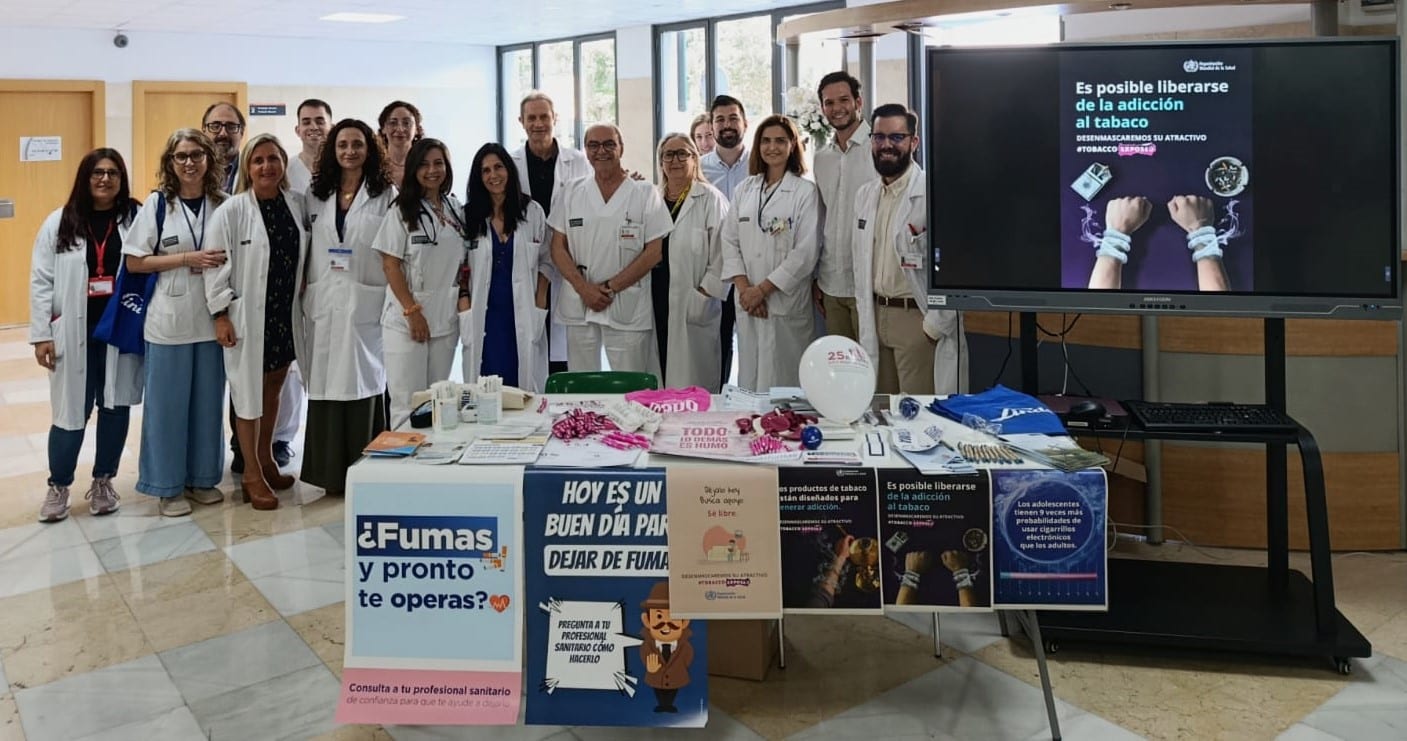
The message was reinforced at Sant Joan d’Alacant University Hospital last Sunday during events marking World No Tobacco Day. Specialists stressed that all healthcare spaces must remain completely smoke-free, as required by current regulations, not only to protect health but also to prevent dangerous incidents.
The warning comes shortly after a fire at Torrevieja Hospital, where investigators believe a patient’s cigarette caused a blaze. The incident injured two patients, required medical treatment for ten staff members and forced the relocation of 90 patients from the second floor.
At Sant Joan Hospital, healthcare professionals used the awareness day to remind patients, visitors and staff of the dangers of smoking in hospital areas. The programme included an information session for healthcare workers and an information point in the hospital lobby, where guidance was offered on smoking cessation services and available medical support.
Pulmonologist Esther Pastor, who leads the hospital’s Specialist Smoking Cessation Unit, said the campaign is a reminder of the importance of continuing to move towards a fully smoke-free hospital environment.
Sant Joan’s smoking cessation unit has been operating since 1999 and is considered a leading service in the Valencian Community. According to Eusebi Chiner, head of the Pulmonology Department, the unit handles around 1,000 consultations each year, including first appointments and follow-up visits.
Patients may be referred from primary care, hospital departments or pulmonology specialists. Their first appointment includes a full assessment, which may involve respiratory checks, a chest X-ray and spirometry. An individual treatment plan is then prepared, combining medication and psychological support where needed.
Patients are usually monitored for around one year to help maintain abstinence and prevent relapse.
Hospital officials said the goal is clear: raise awareness of tobacco’s dangers, support people who want to quit and ensure healthcare environments remain safe and smoke-free.