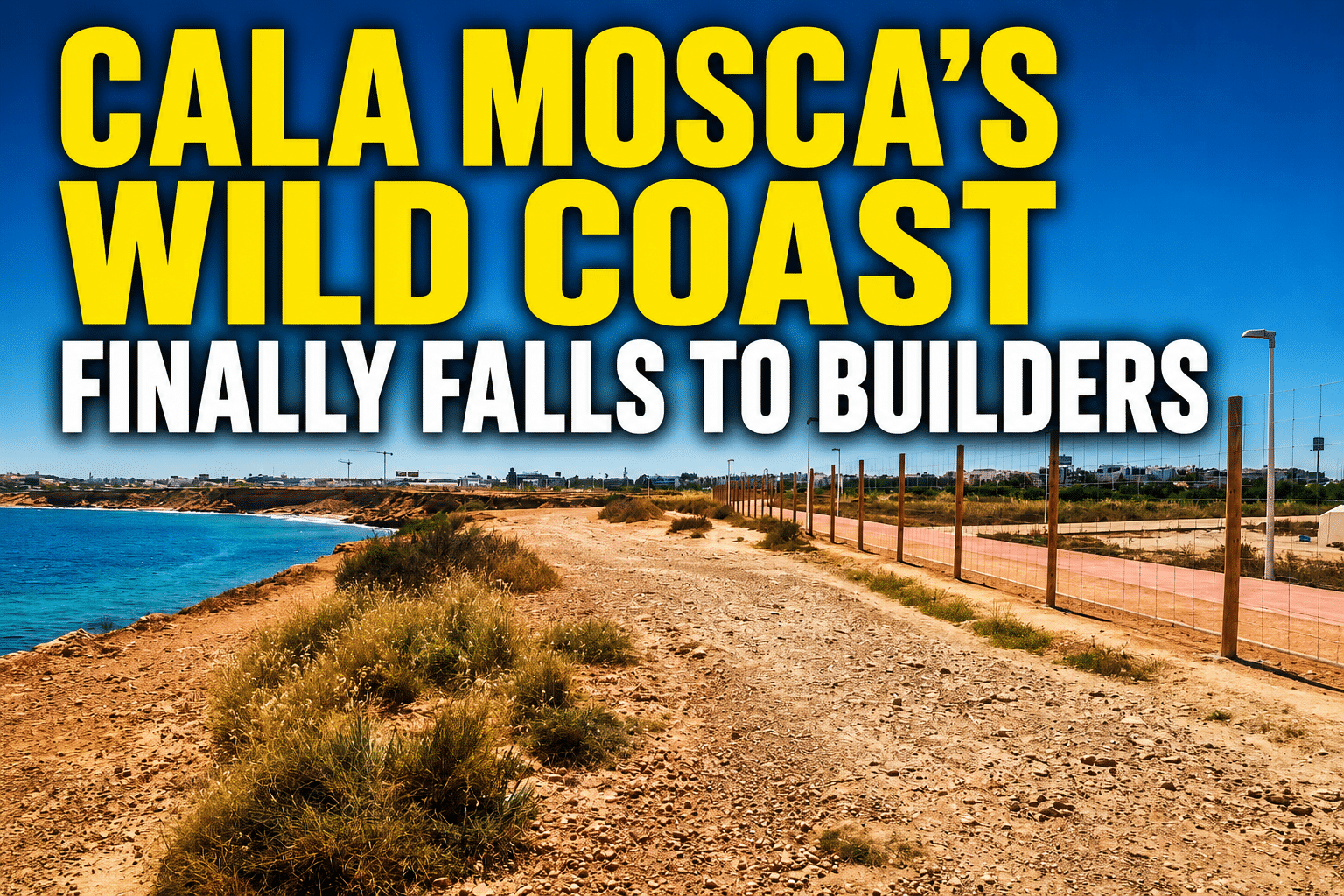
Orihuela Costa’s last untouched kilometre of coastline is now on the brink of becoming a major tourist housing estate, as long-delayed urbanisation works at Cala Mosca enter their final phase.
After years of protests, environmental battles and legal hurdles, the Alameda del Mar sector — now promoted under the name Las Vistas — is preparing for the arrival of its first 188 tourist homes, the opening phase of a much larger plan that could eventually see more than 2,000 properties built across the area.
The land, long regarded by campaigners as the final undeveloped stretch of Orihuela’s coast, has been at the centre of one of the municipality’s most fiercely contested planning disputes. But with roads, services and basic infrastructure now close to completion, the battle to stop construction appears to be reaching its end.
The developer, Gomendio Group, has already applied for the building licence for the first residential phase. That application has received a favourable report from the Alicante College of Architects through its Urban Planning Collaborating Entity, known as ECUV, a body recognised by the Generalitat Valenciana to assist and accelerate planning procedures.
That means the licence is now considered close to approval.
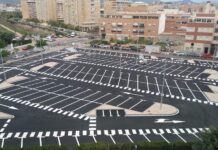
The project’s main infrastructure is already either finished or well advanced. Works include sewage networks, drinking water systems, irrigation, pumping stations, telecommunications, medium and low-voltage electricity networks, and eleven transformer stations.
For opponents of the scheme, the sight of works nearing completion marks a bitter moment. Cala Mosca has for years been defended by residents and environmental groups as a rare coastal refuge in an area otherwise dominated by development.
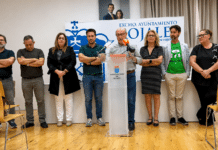
Campaigners organised under the Salvemos Cala Mosca banner staged protests and filed complaints with Seprona and the public prosecutor’s office in an effort to preserve the area as open, undeveloped coastline.
But the developer says Las Vistas is not a reckless concrete invasion, insisting the scheme has been redesigned around environmental protection, landscape integration and sustainable mobility.
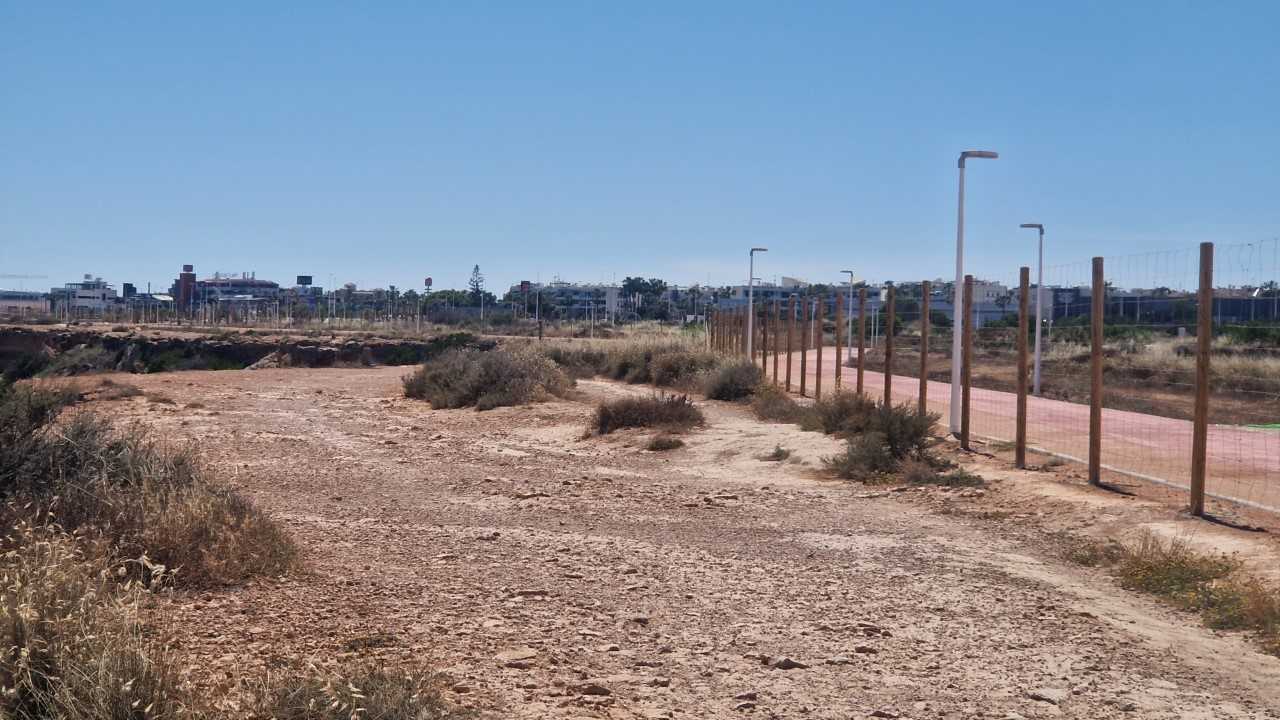
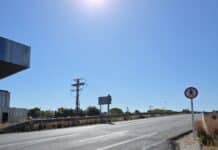
According to Gomendio, buildings will be concentrated in specific areas, mainly parallel to the N-332, while the land closest to the sea will remain free from construction. The company says the layout prioritises green corridors, pedestrian continuity and open views towards the Mediterranean.
The full sector covers more than 455,000 square metres. Of that, around 81,000 square metres are described as protected land, with more than 38,000 square metres set aside for green areas intended to connect Punta Prima and La Zenia.
The developer also points to a proposed micro-reserve and says the project includes 52.8% more garden space than the minimum required by regional planning rules.
More than eight hectares are being dedicated to environmental protection and recovery, with particular focus on two protected species: Helianthemum caput-felis, known as cat’s head rockrose, and the mollusc Tudorella mauretanica.
Those species were central to the project’s turbulent history. In 2007, the first phase of urbanisation works was halted after protected flora and fauna were detected, even though work had already been carried out on about 70% of the sector.
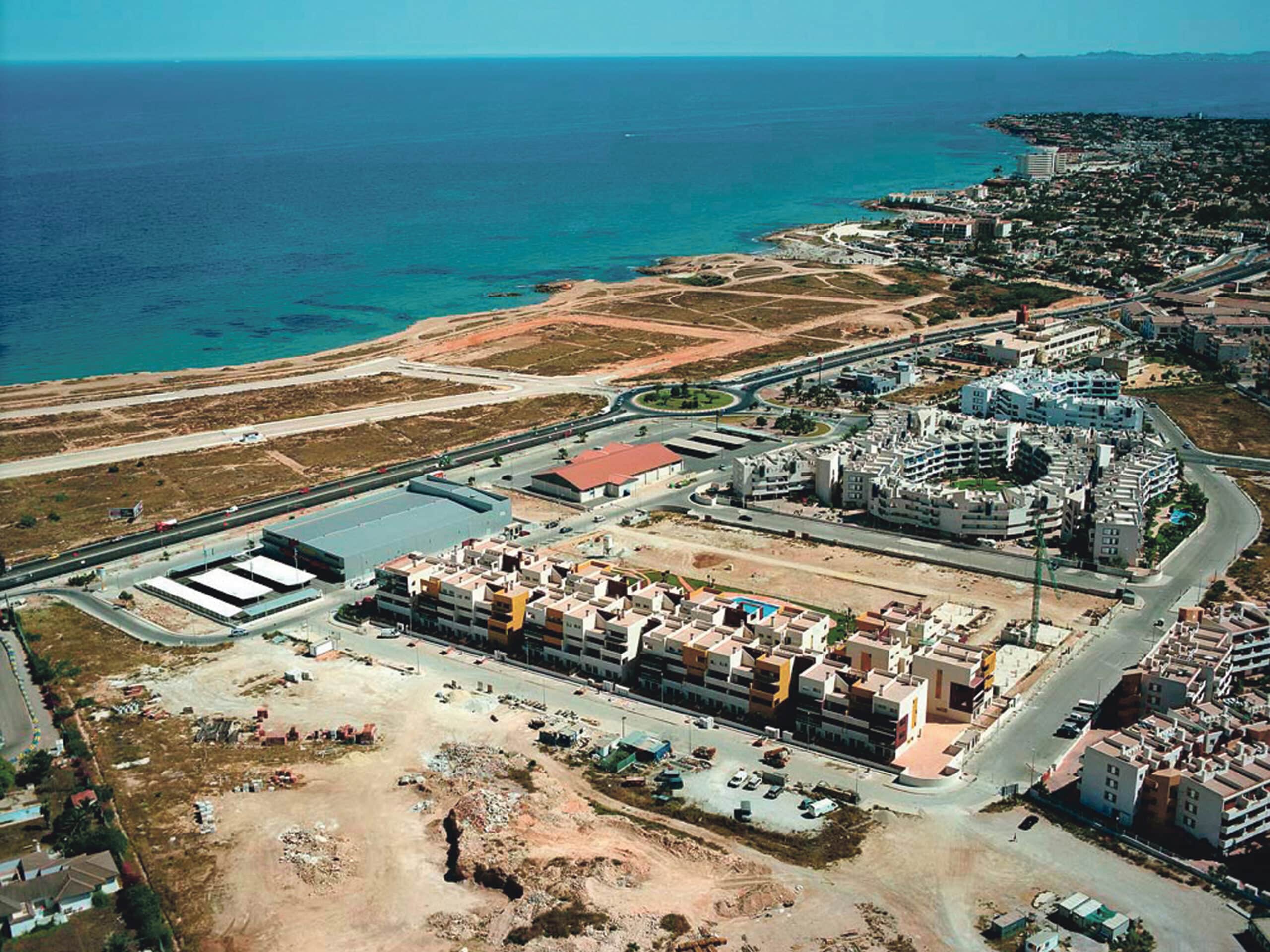
In 2018, the Generalitat imposed environmental conditions before the project could continue. The developer later amended its reparcelling plan in 2023 to adapt the scheme to the protected habitat. Urbanisation works resumed that year and are now approaching completion.
Environmental restoration works are also under way. More than 4,000 native Mediterranean plants have been planted under specialist supervision, while nearly 3,000 linear metres of wooden fencing and wildlife mesh will be used to protect sensitive zones.
A new 1.3-kilometre pedestrian and cycling coastal corridor is also nearing completion, with recycled ecological paving and protection measures for reserve areas.
More than 900 trees, including around 450 palms, have been planted across the urban green network. Planned public areas include rest zones, lawns, ornamental lakes, children’s play spaces, a dog park, sports areas and walking routes.
For the developer, Las Vistas represents a controlled, greener model of coastal urbanisation.
For campaigners, it marks the loss of Orihuela Costa’s last wild kilometre.
Either way, Cala Mosca is changing — and in now seems as though the first 188 homes will only be the beginning.